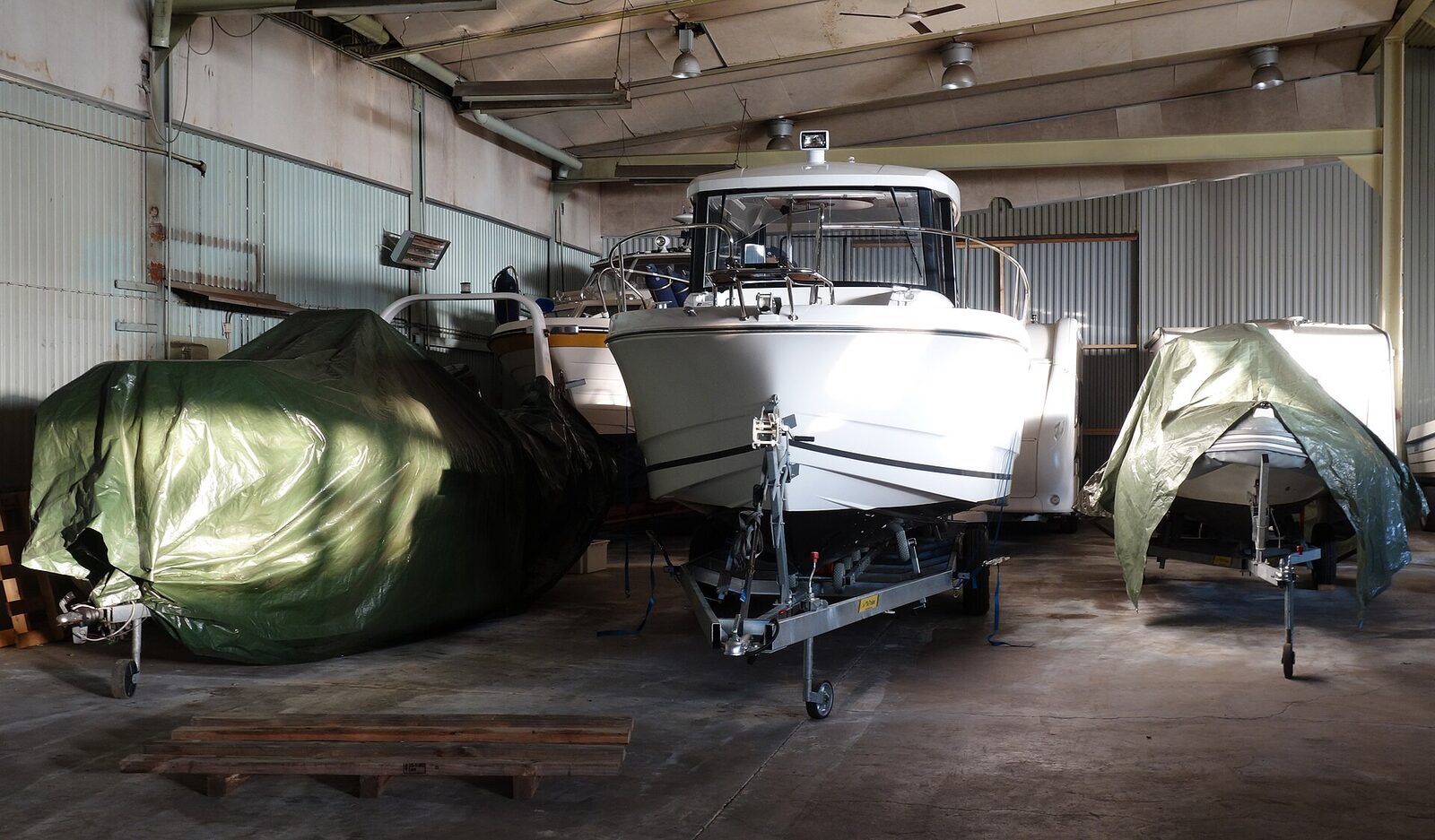
Buy before the freezeWinterization
The fall shopping list
Marine antifreeze, fuel stabilizer, battery maintainers, moisture control, cover support and tools that make seasonal service easier.
Shop the winterization guide
Late summer means two very different things: haul-out and storage for northern boats, or a road trip toward warmer water. We built both paths—plus the evergreen gear worth owning all year.
Consumables that get used up, trailer items that prevent ruined trips, and the gear owners realize they need before storage or a long tow.
Marine antifreeze, fuel stabilizer, battery maintainers, moisture control, cover support and tools that make seasonal service easier.
Shop the winterization guide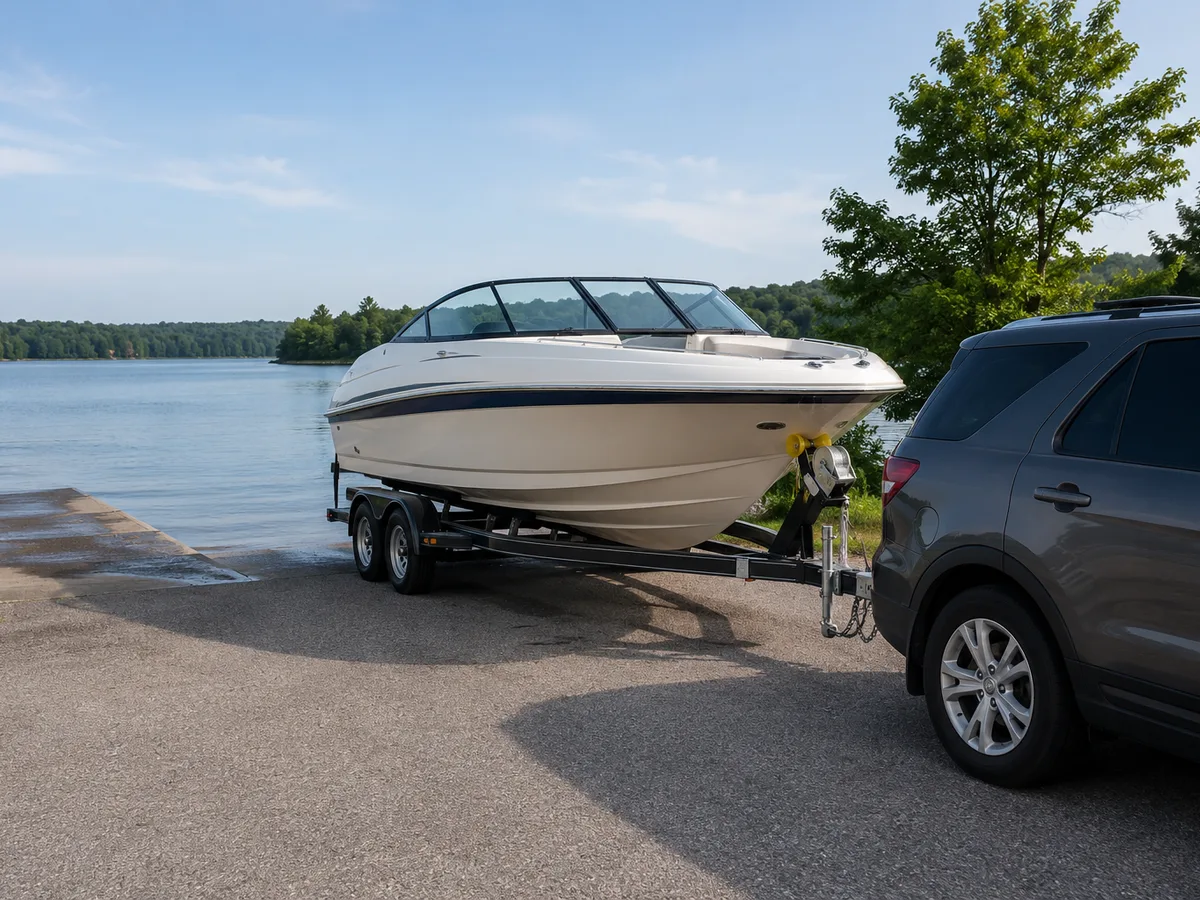
Transom straps, bearing gear, tire monitoring, inflators, torque tools, locks, chocks, lights and worthwhile spares.
See the trailer picksFix trailer-light problems before buying parts →
A long-haul plan for owners moving toward the Chesapeake, Carolinas, Florida or Gulf Coast instead of parking the boat until spring.
Plan the southbound towThese guides focus on fit, safety, installation and ownership—not just a feature list.
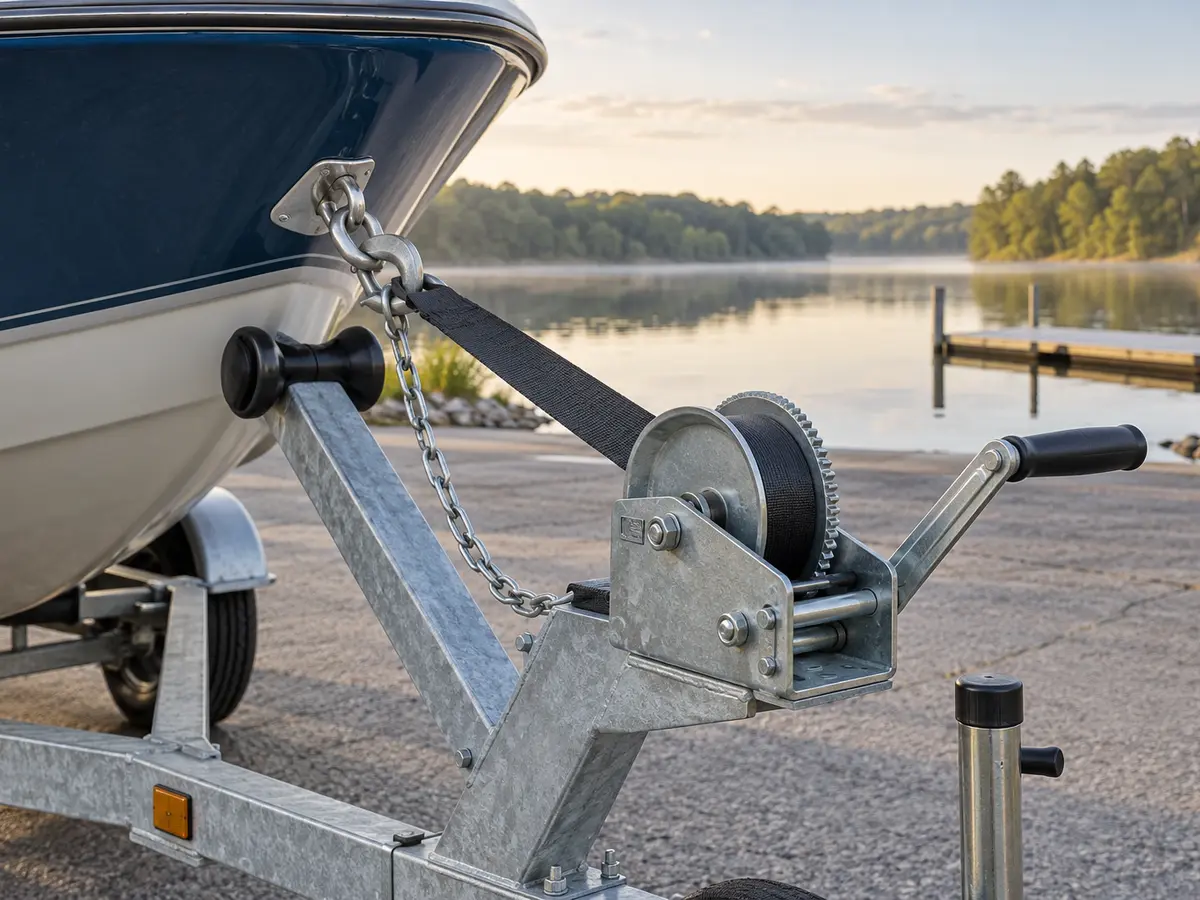
Match the winch, line and bow-eye geometry—then keep road securement as a separate layer.
Build the retrieval system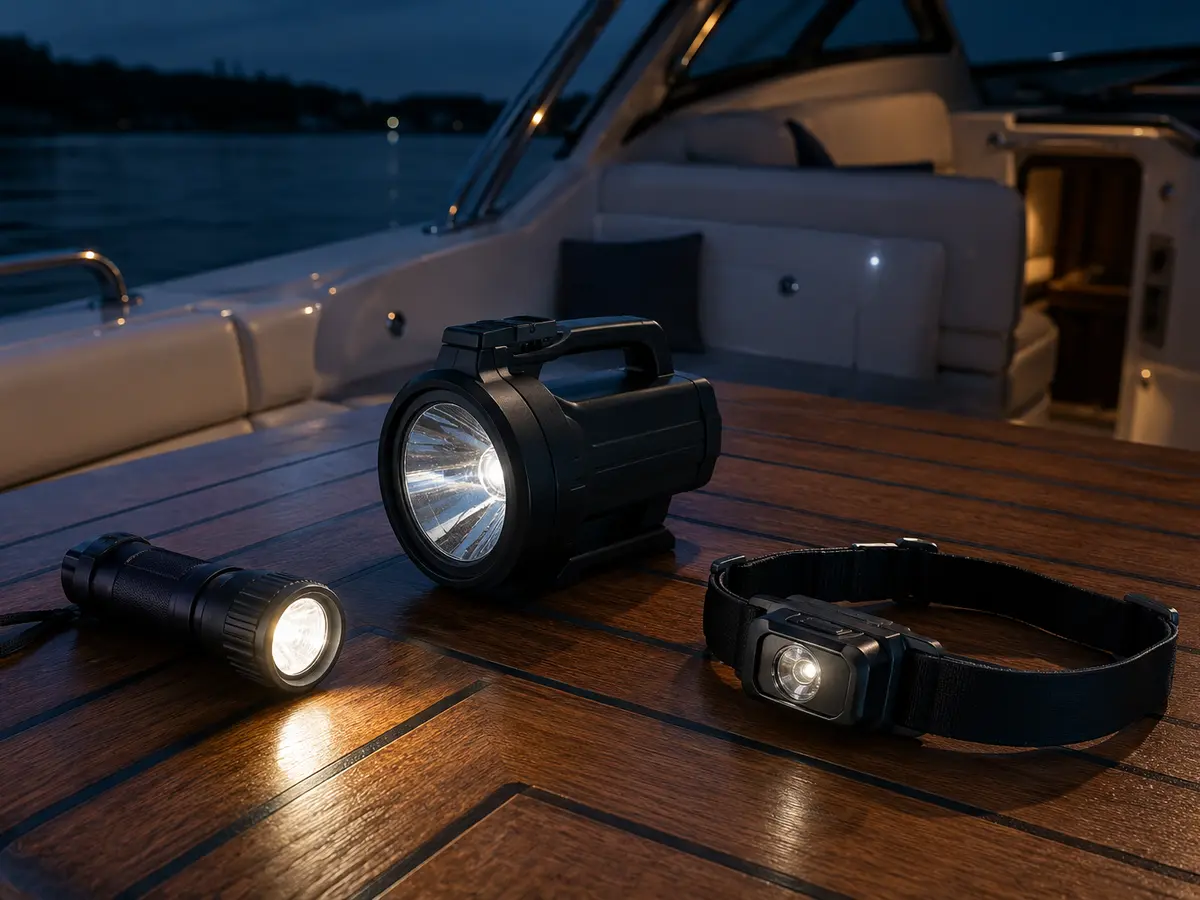
Choose three distinct tools by beam control, water exposure, batteries and the crew's dark adaptation.
Build the night-lighting kit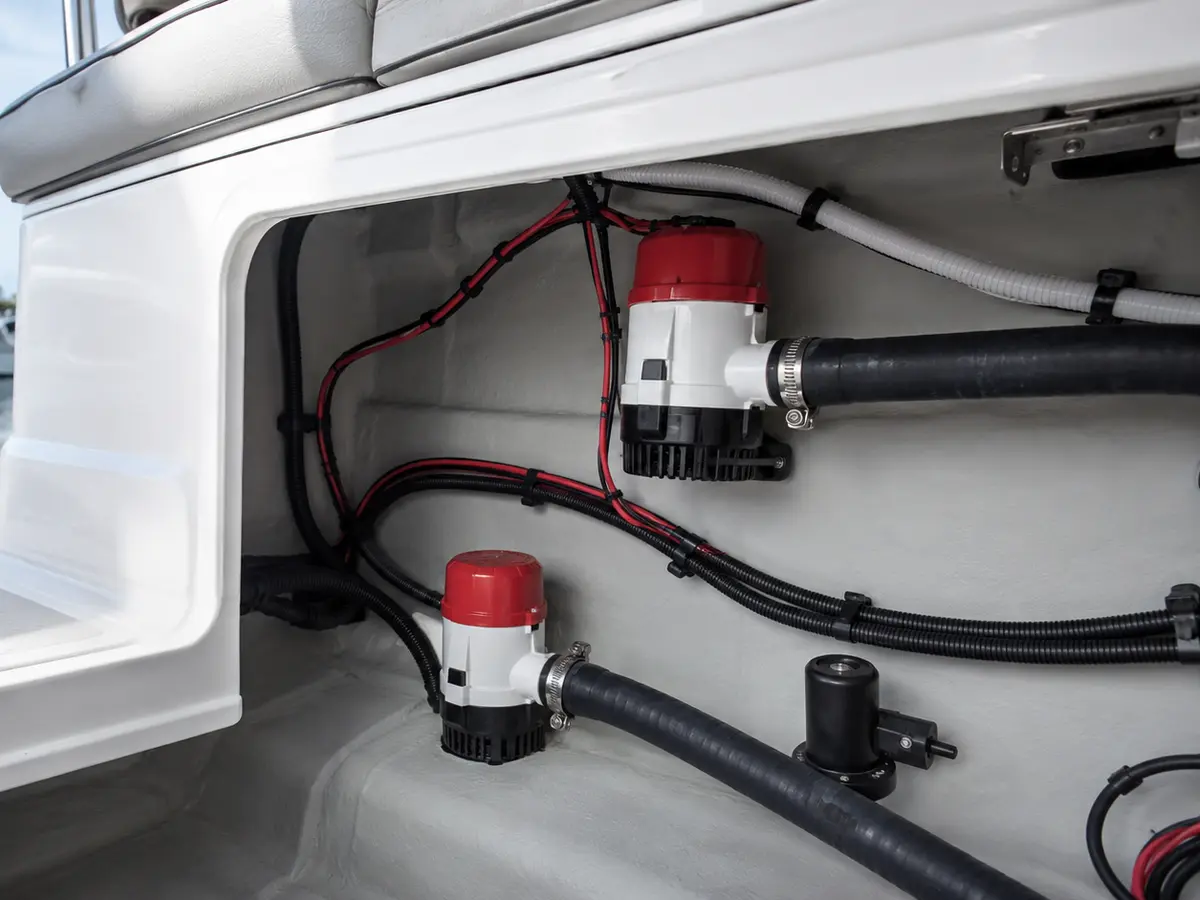
Match primary, backup and alarm layers to the compartments, hose route, wiring and real installed flow.
Build the dewatering system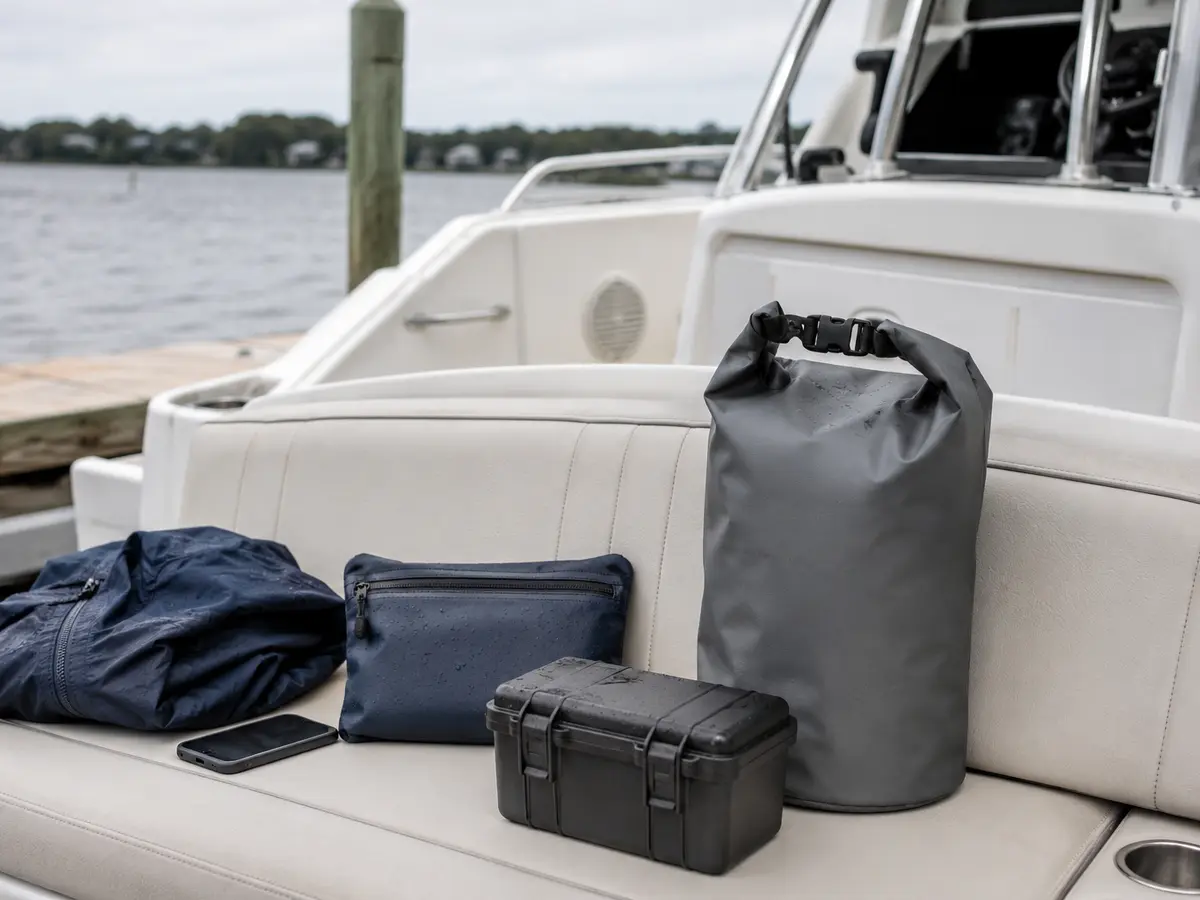
Choose a roll-top bag, zipper pouch or hard case by exposure, access and what happens if it leaks.
Choose the dry system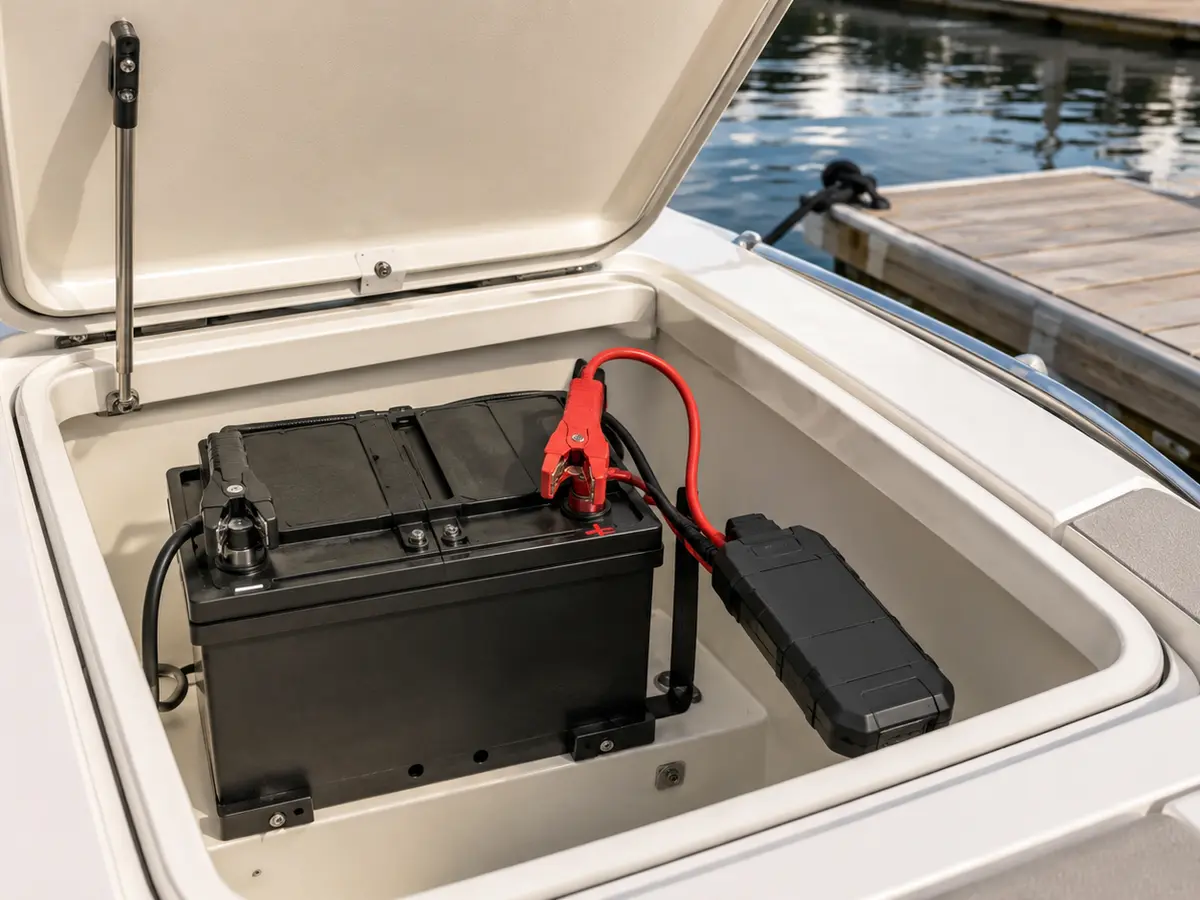
Choose by voltage, engine, battery chemistry, clamp access, cable reach and storage—not peak amps alone.
Choose the right booster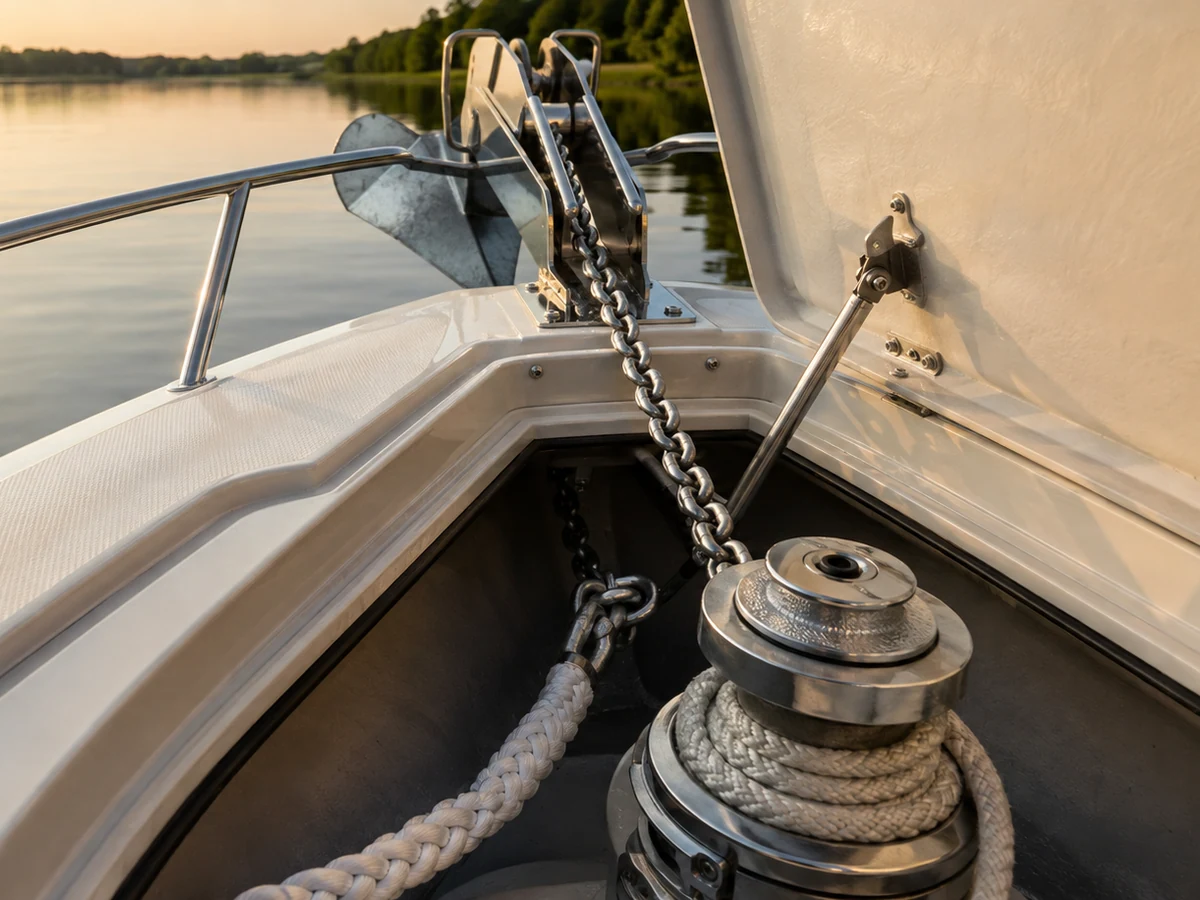
Match rope, chain, shackles, windlass, locker and strong point as one load path.
Build the rode system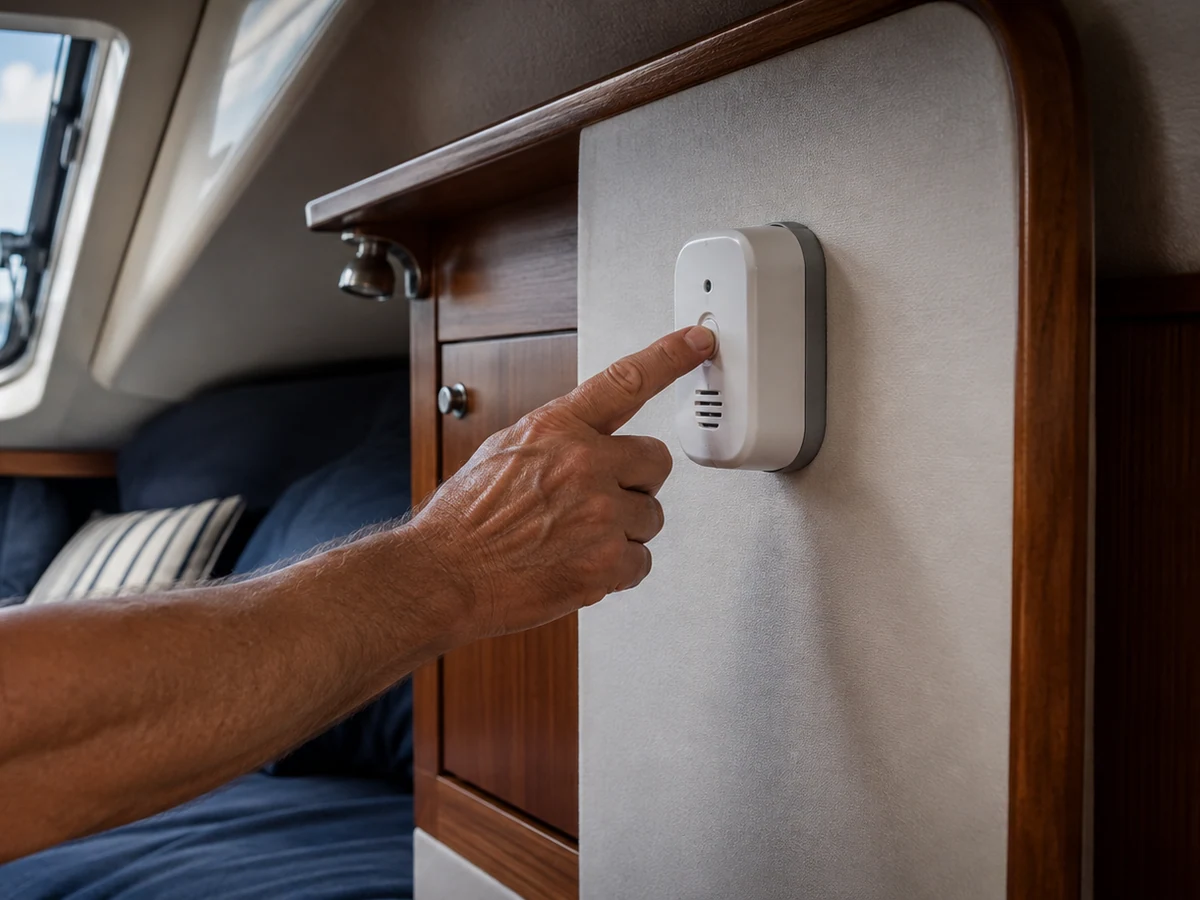
Choose, place, test and replace the alarm without treating it as permission for exhaust exposure.
Build the CO defense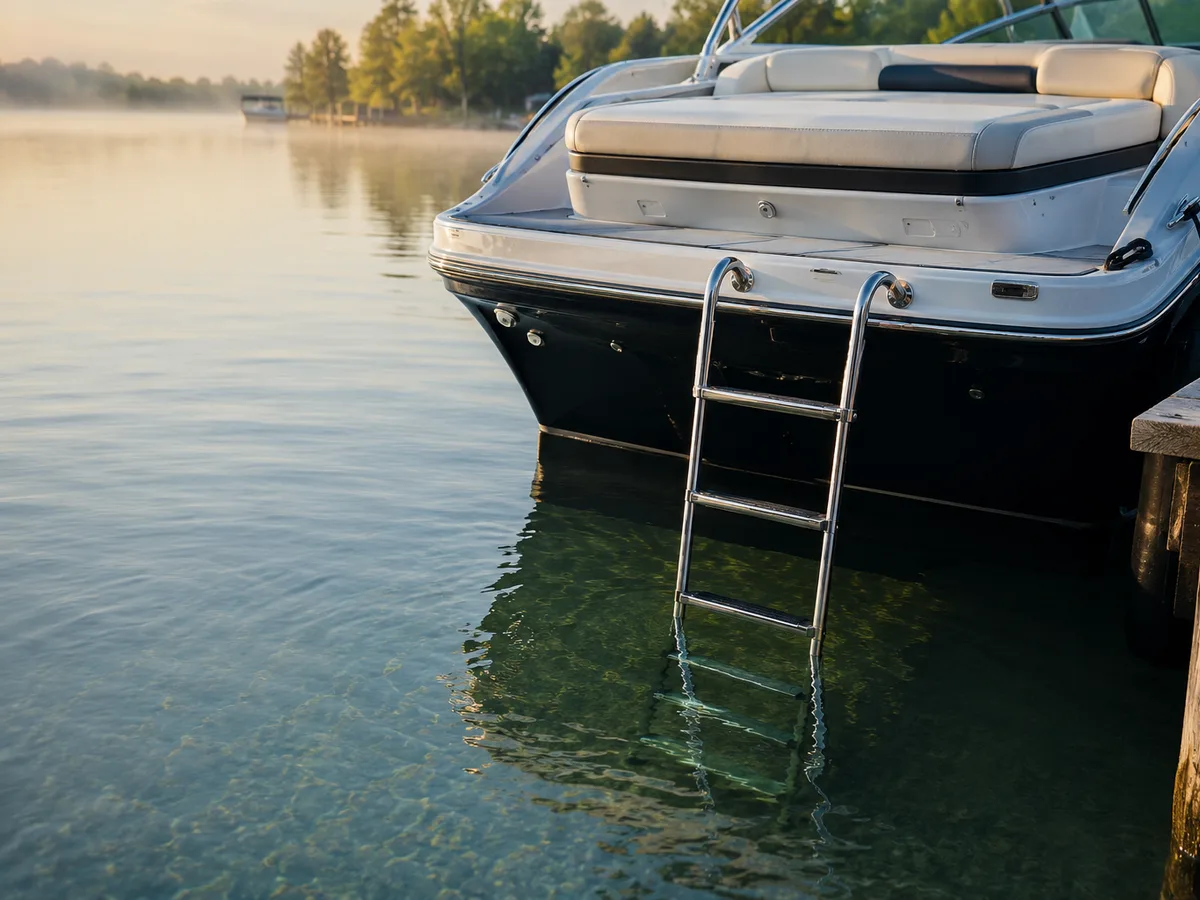
Choose by submerged reach, deployability, handholds, structure and propeller separation.
Run the reboarding test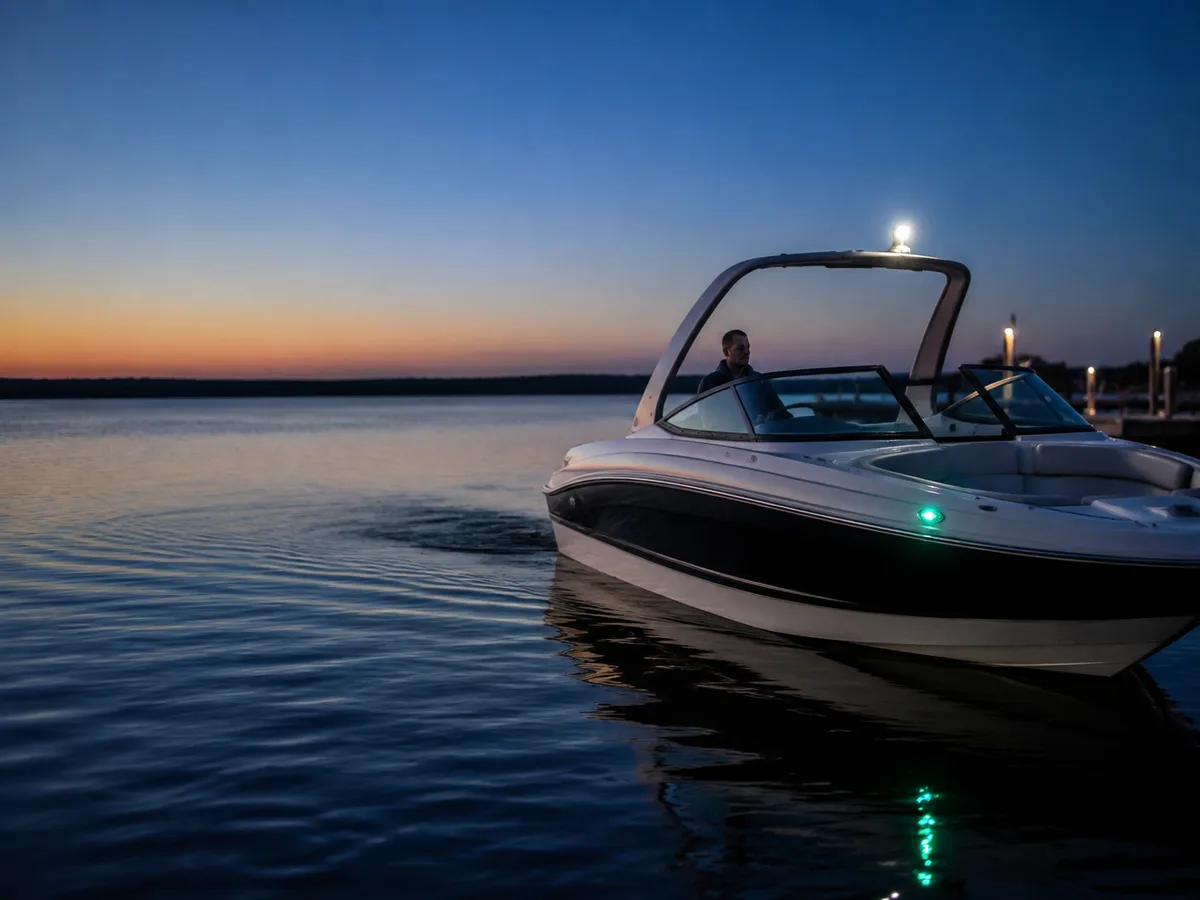
Choose portable or hardwired lights by pattern, certification, placement, power and backup.
Choose the light system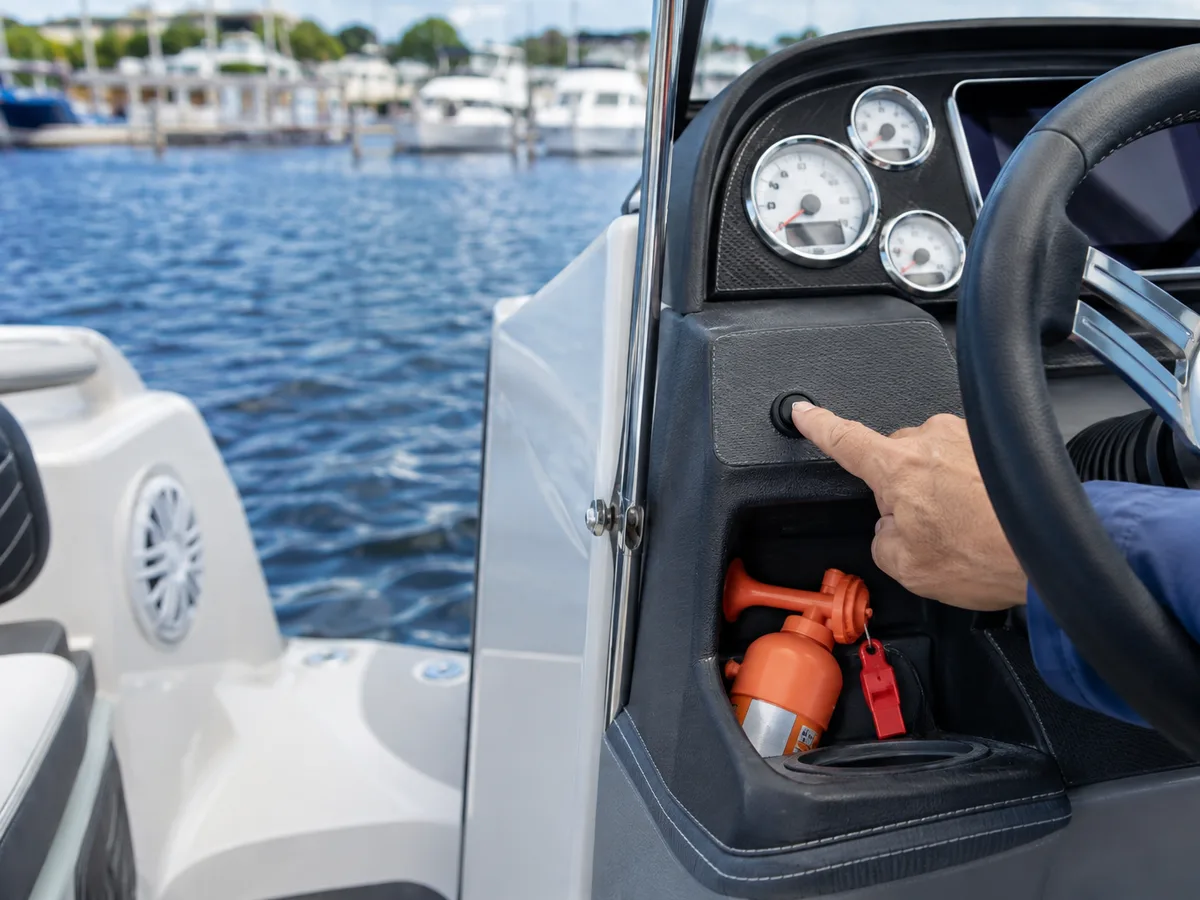
Compare a pealess whistle, handheld air horn and installed electric horn by rule, access and backup.
Choose the sound system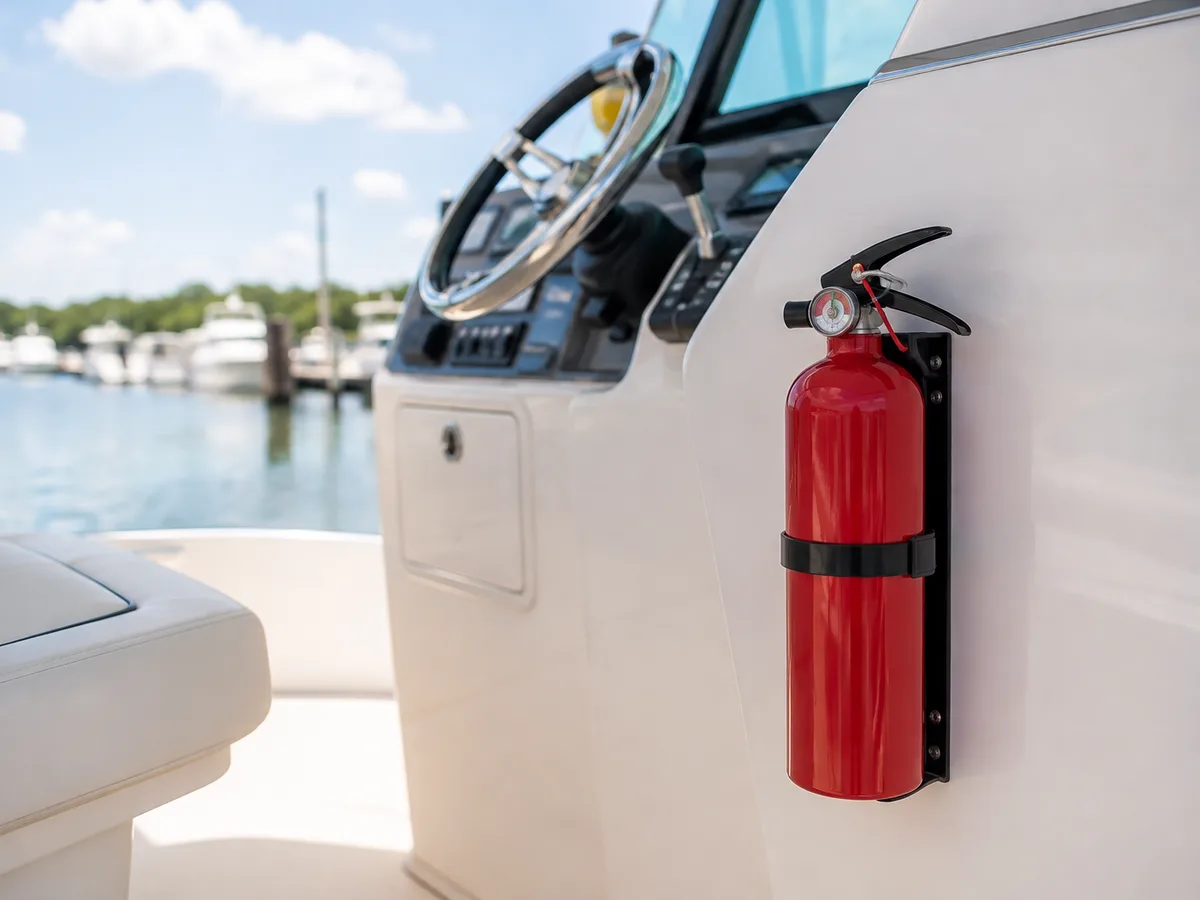
Count approved 5-B and 20-B units correctly, then keep the exact extinguisher accessible.
Choose what counts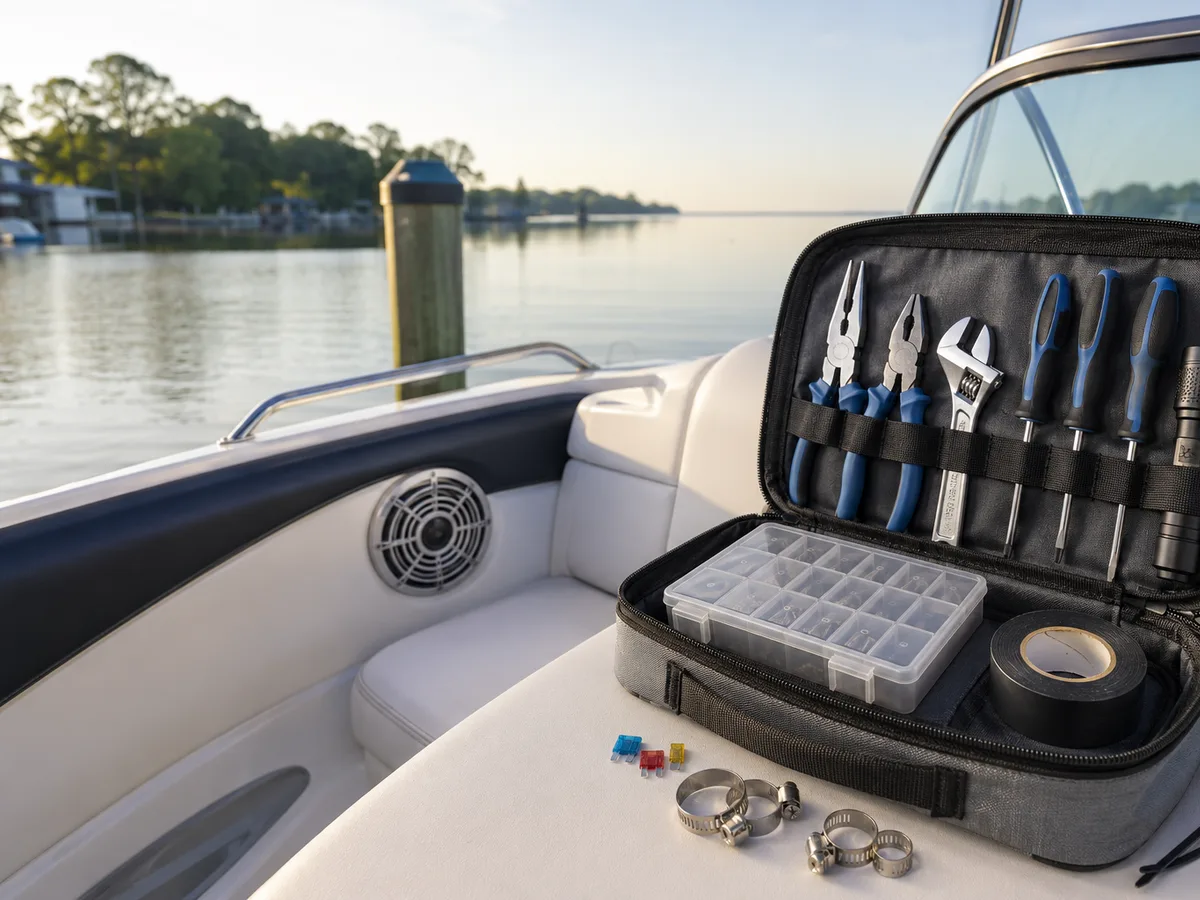
Build the smallest dry kit that fits the fasteners, safe jobs and exact spares on your boat.
Build the right kit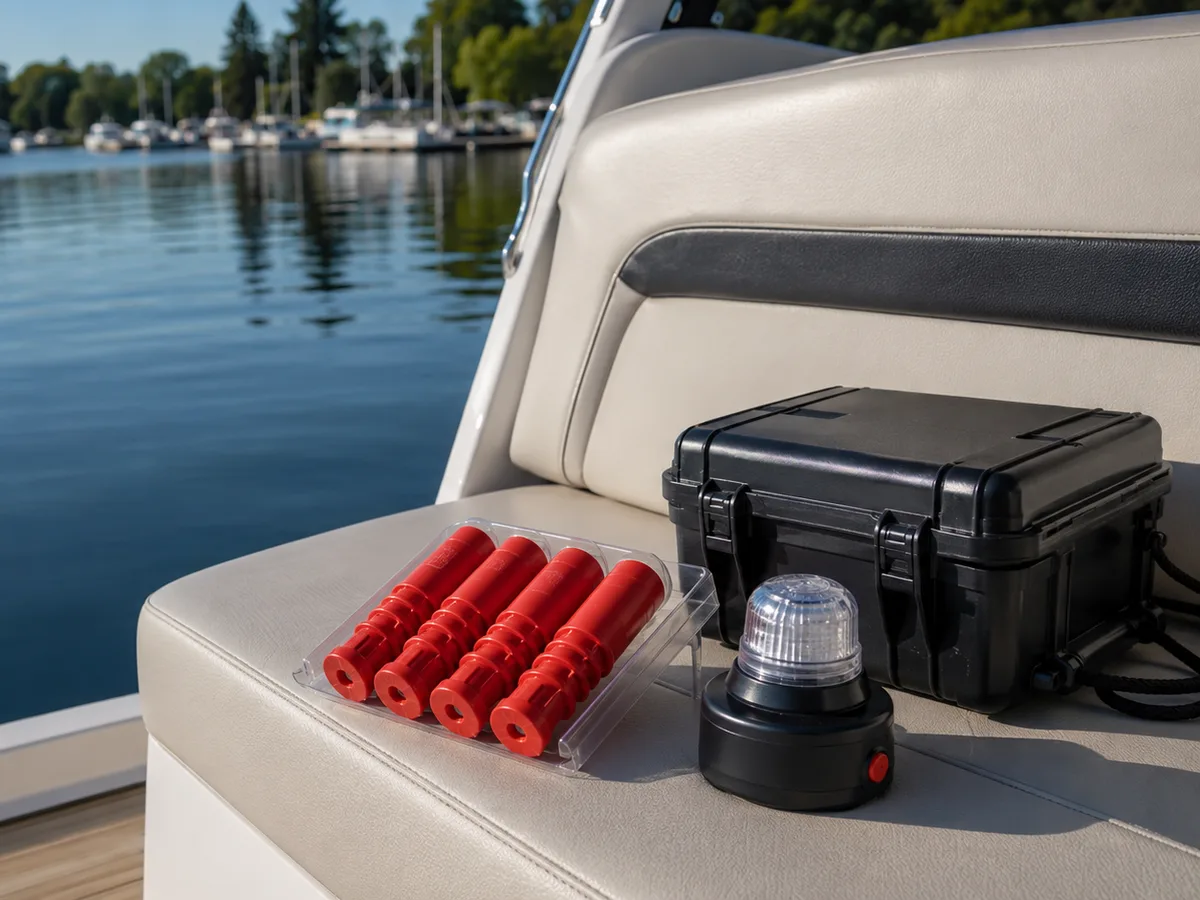
Separate day from night, verify the exact approval and stop counting expired or unapproved gear.
Compare distress signals
Choose an approved cushion, ring or horseshoe—and understand why a rescue bag is supplemental.
Compare throwable devices
Compare 7x50, compass, compact and stabilized options by motion, fit and real onboard use.
Compare marine binoculars
Clear picks for inland lakes, fishing and coastal cruising, including ecosystem and installation costs.
Compare chartplotters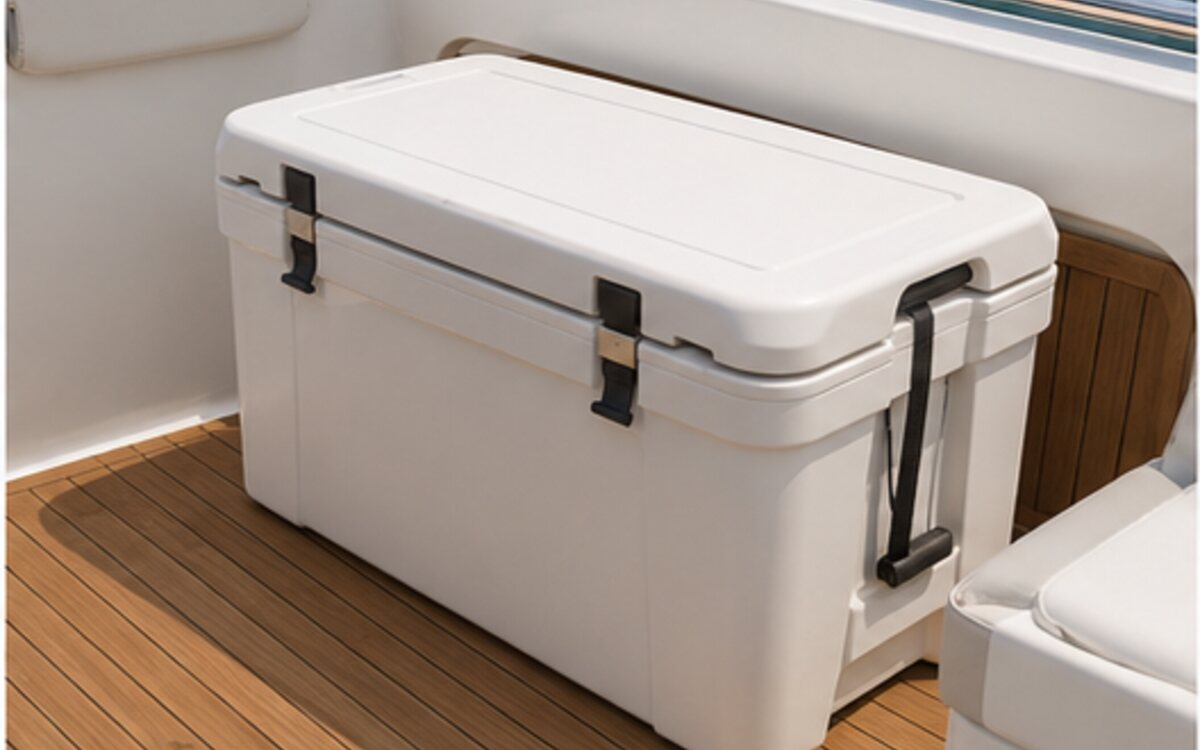
Durable options that stay cold without taking over the deck, from day-boat duty to long weekends.
Compare coolers
Comfortable, correctly rated options adults and children are more likely to wear consistently.
Compare life jacketsUse the gear guides with the maintenance and trailering library so equipment ends up installed, serviced and used correctly.
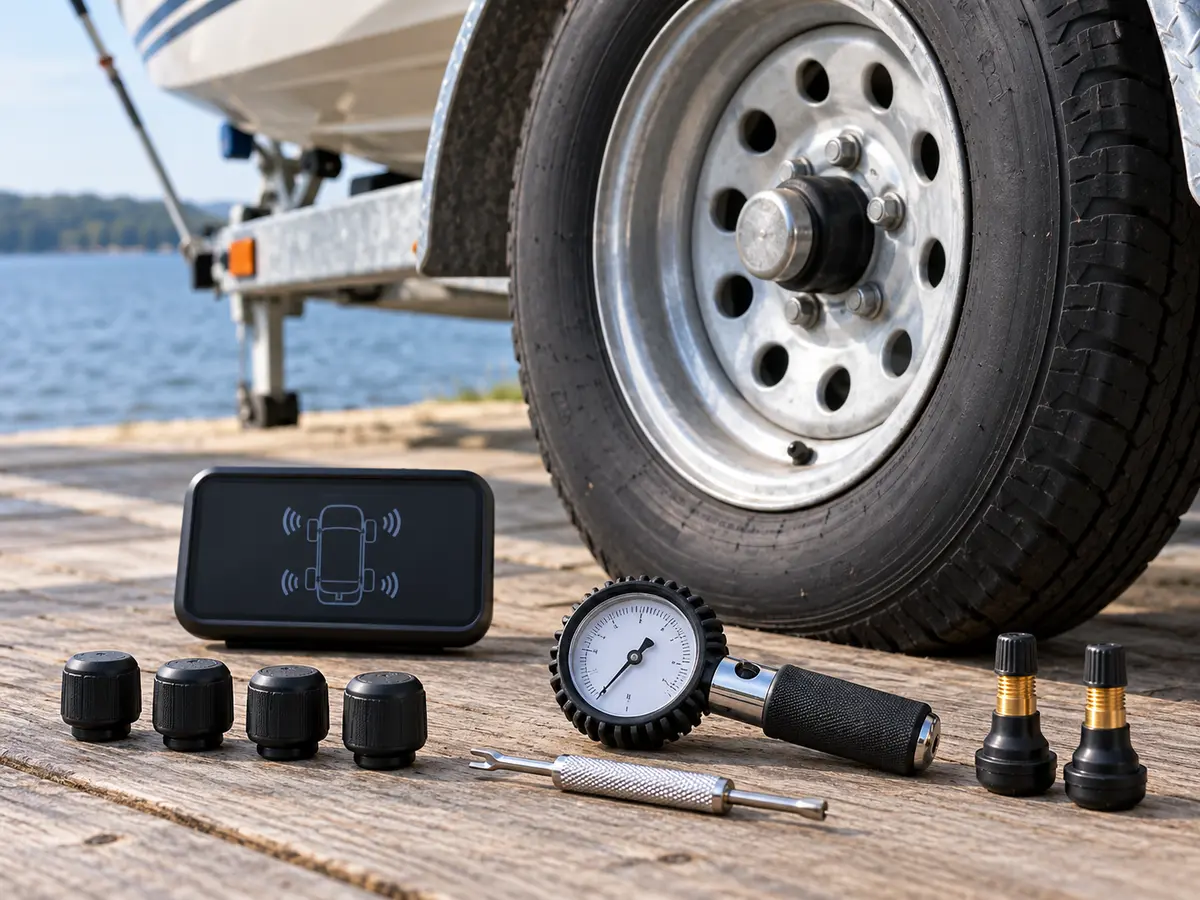
Match pressure range, valve stems, wheel count and receiver distance, then set the documented cold baseline.
Build the TPMS fit card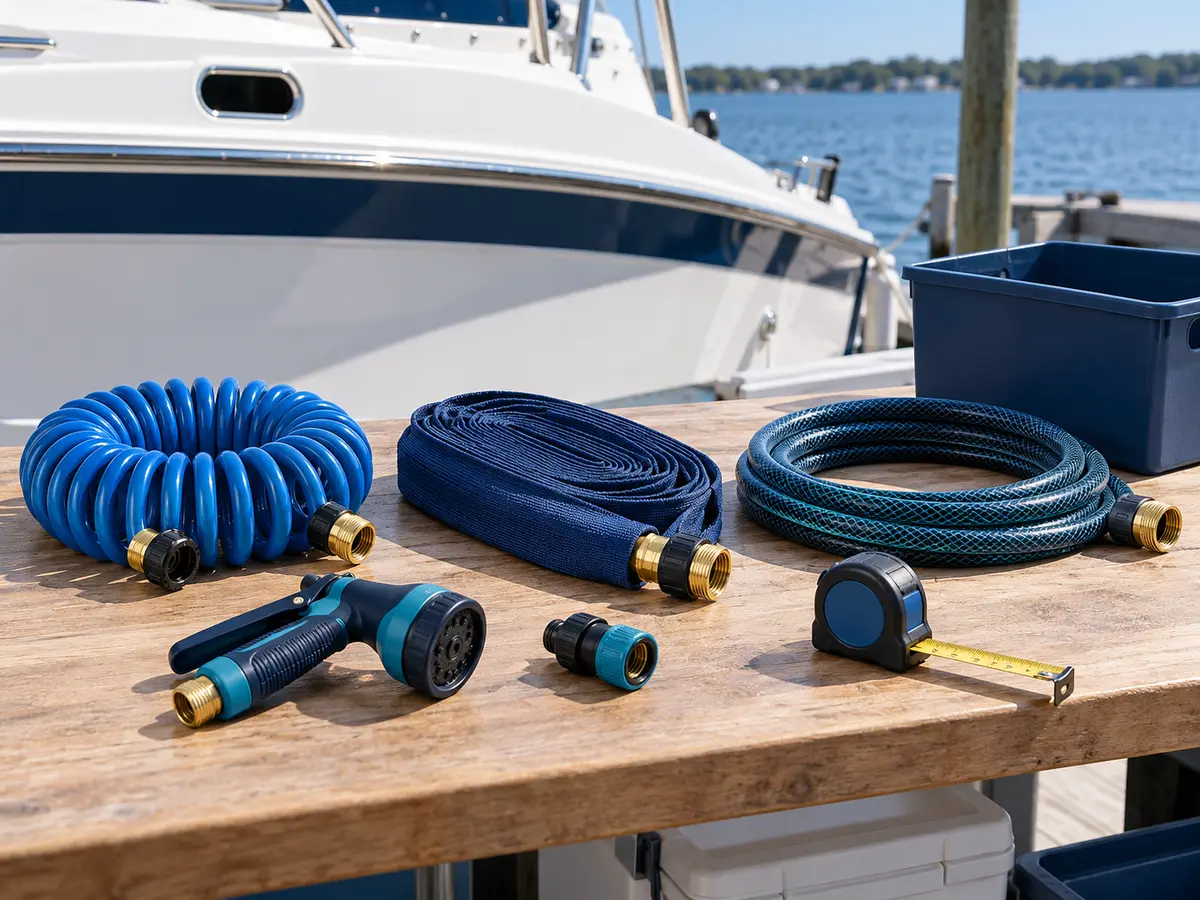
Match source, pressure, fittings, useful reach, drainage and restrained storage before comparing packed size.
Build the washdown fit card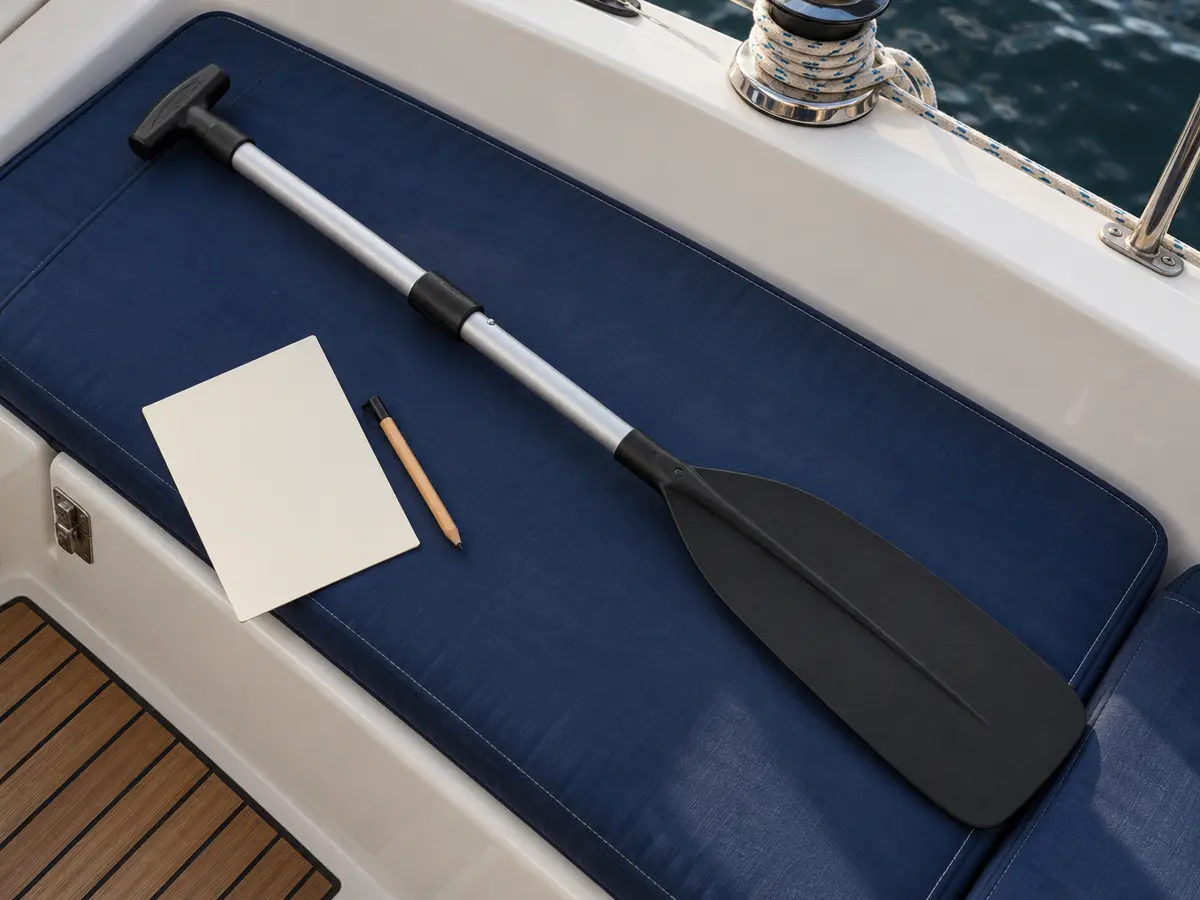
Compare fixed and telescoping paddles without mistaking a compact package for a get-home guarantee.
Build the fit record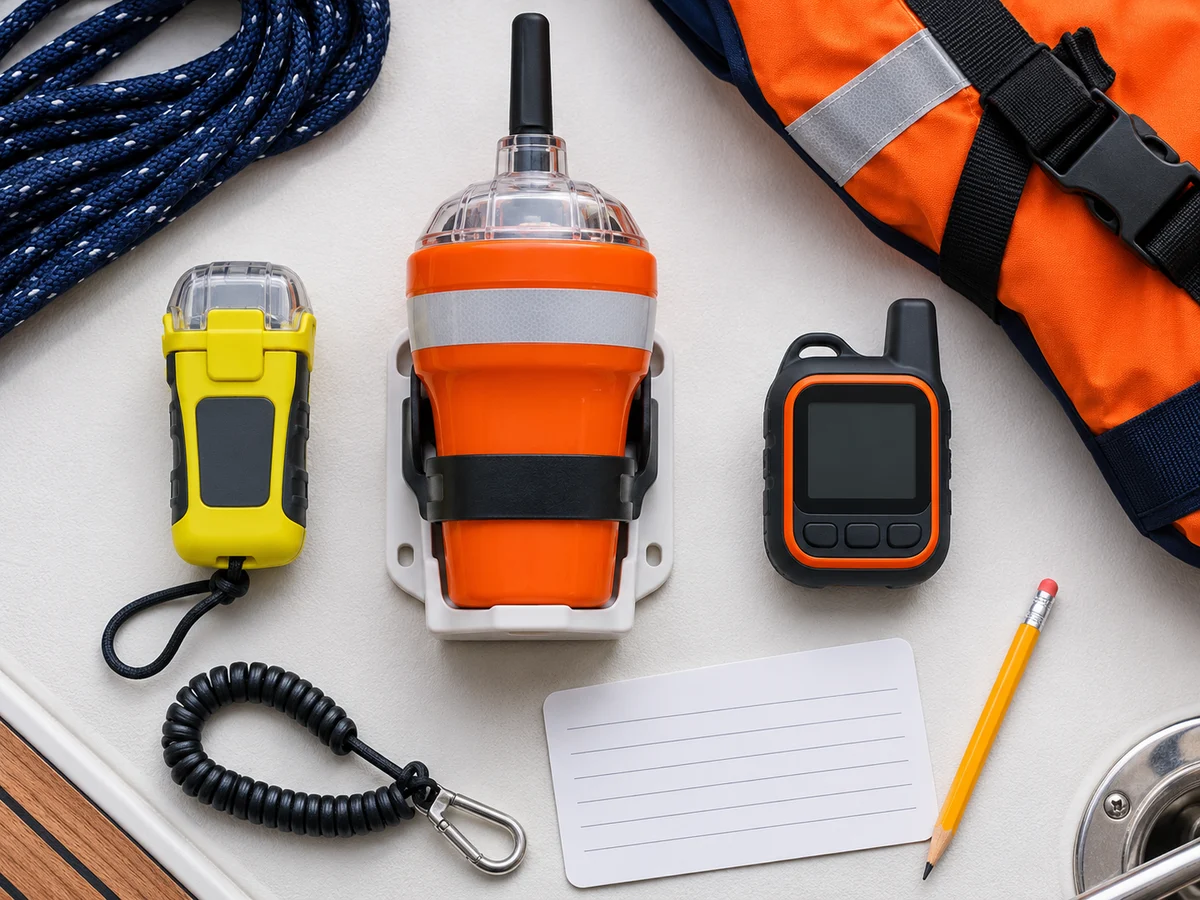
Separate a registered 406 alert from commercial two-way messaging, then prove carriage, registration and test procedure.
Build the nine-line fit record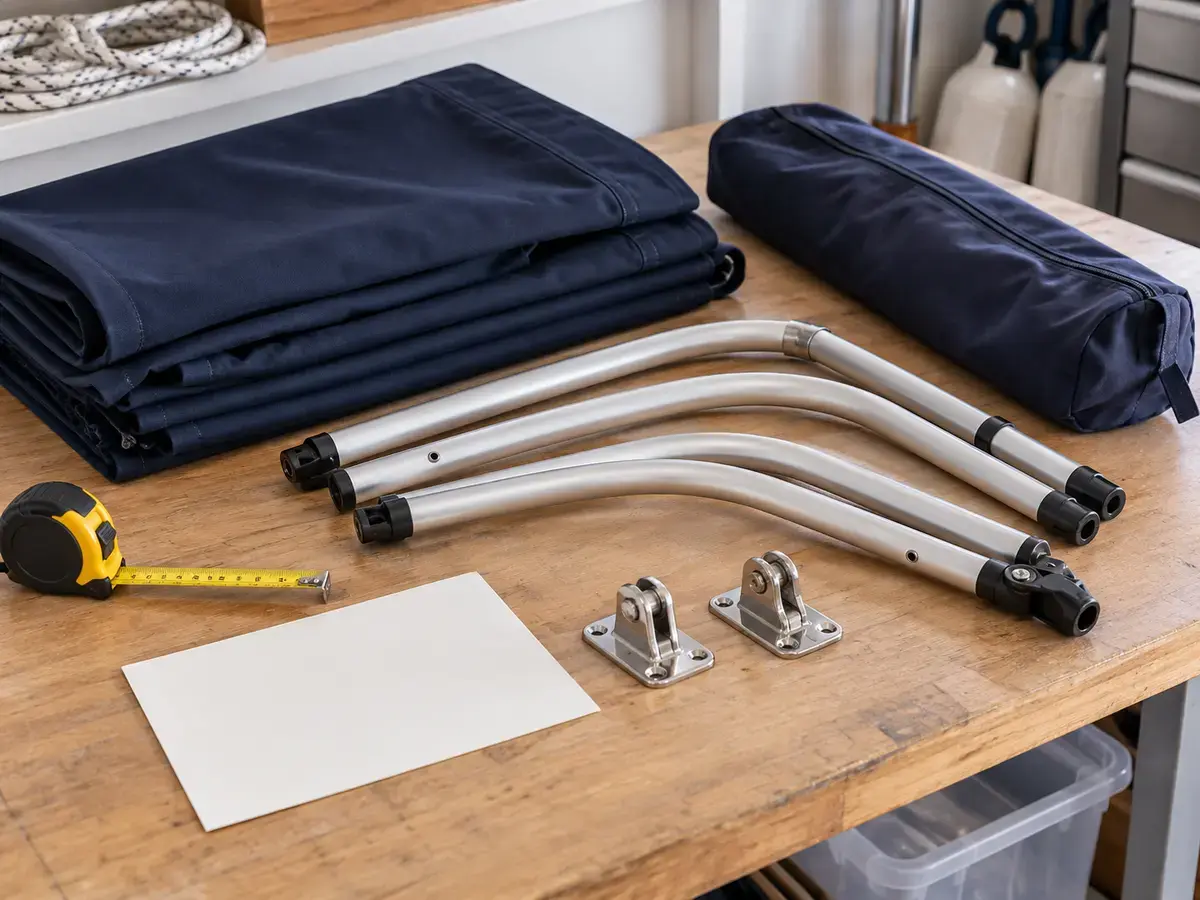
Resolve width, height, coverage, hardware and the folded position before buying.
Build the six-line fit card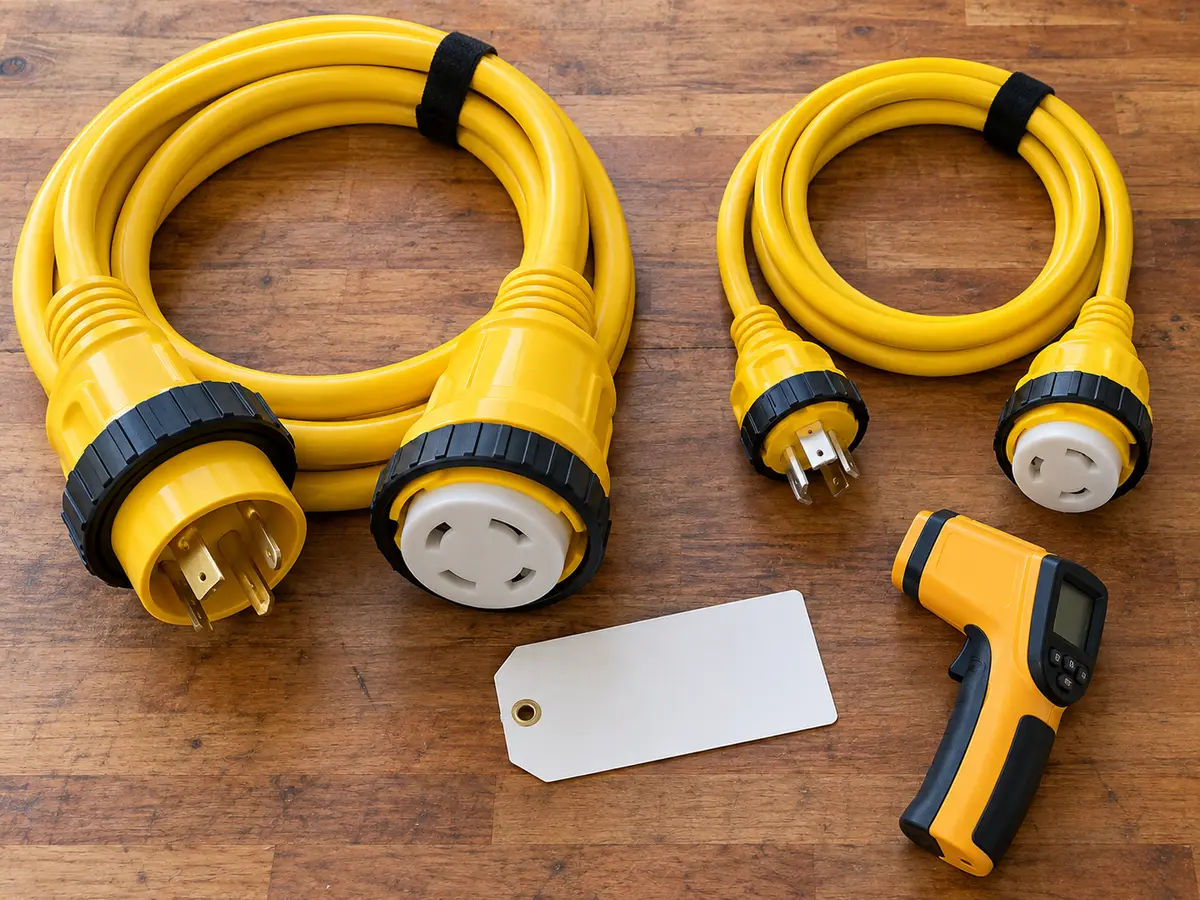
Resolve inlet, pedestal, volts, amps and connection system—then retire heat damage.
Build the five-line fit record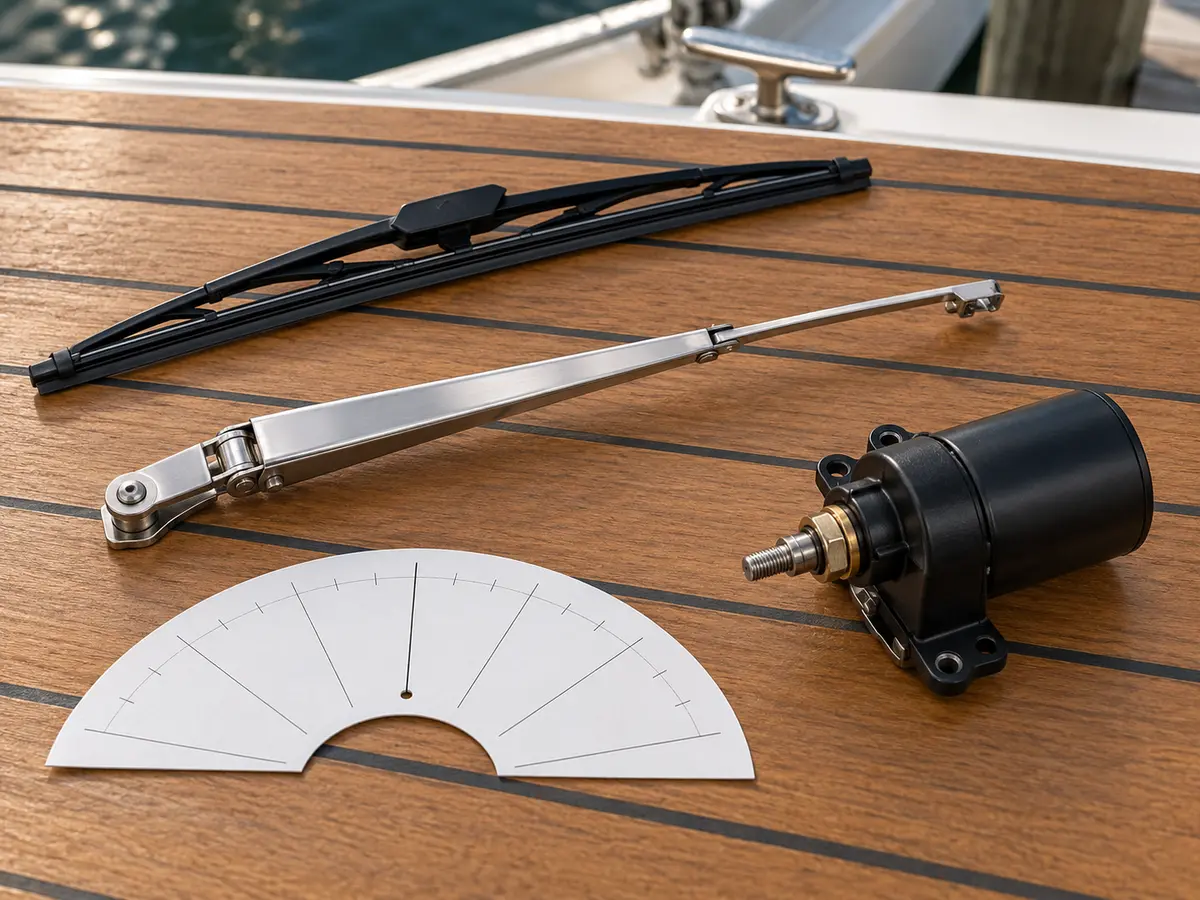
Match voltage, shaft, park, sweep, arm and blade before a catalog page gets a vote.
Build the five-line record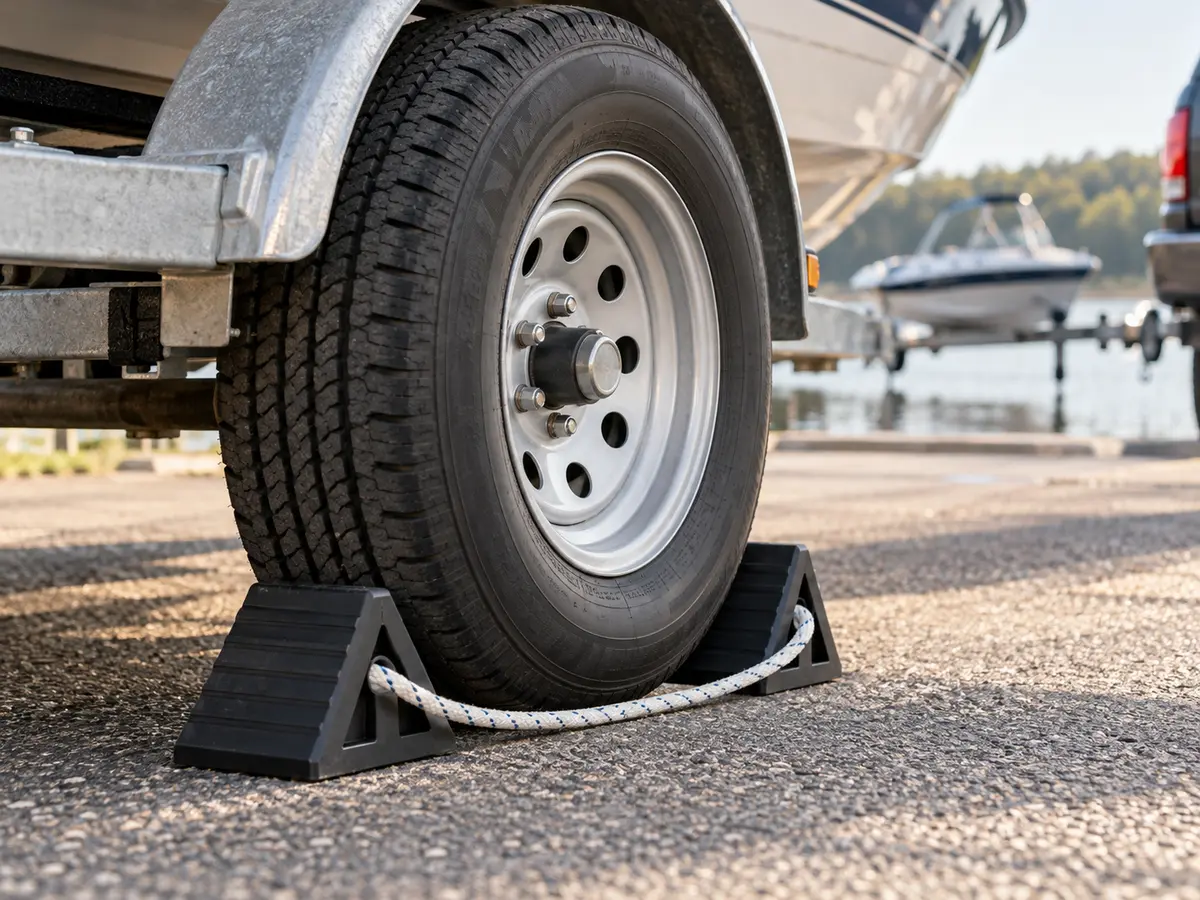
Separate routine parking from service support, then keep a traceable size and placement rule.
Build the fit record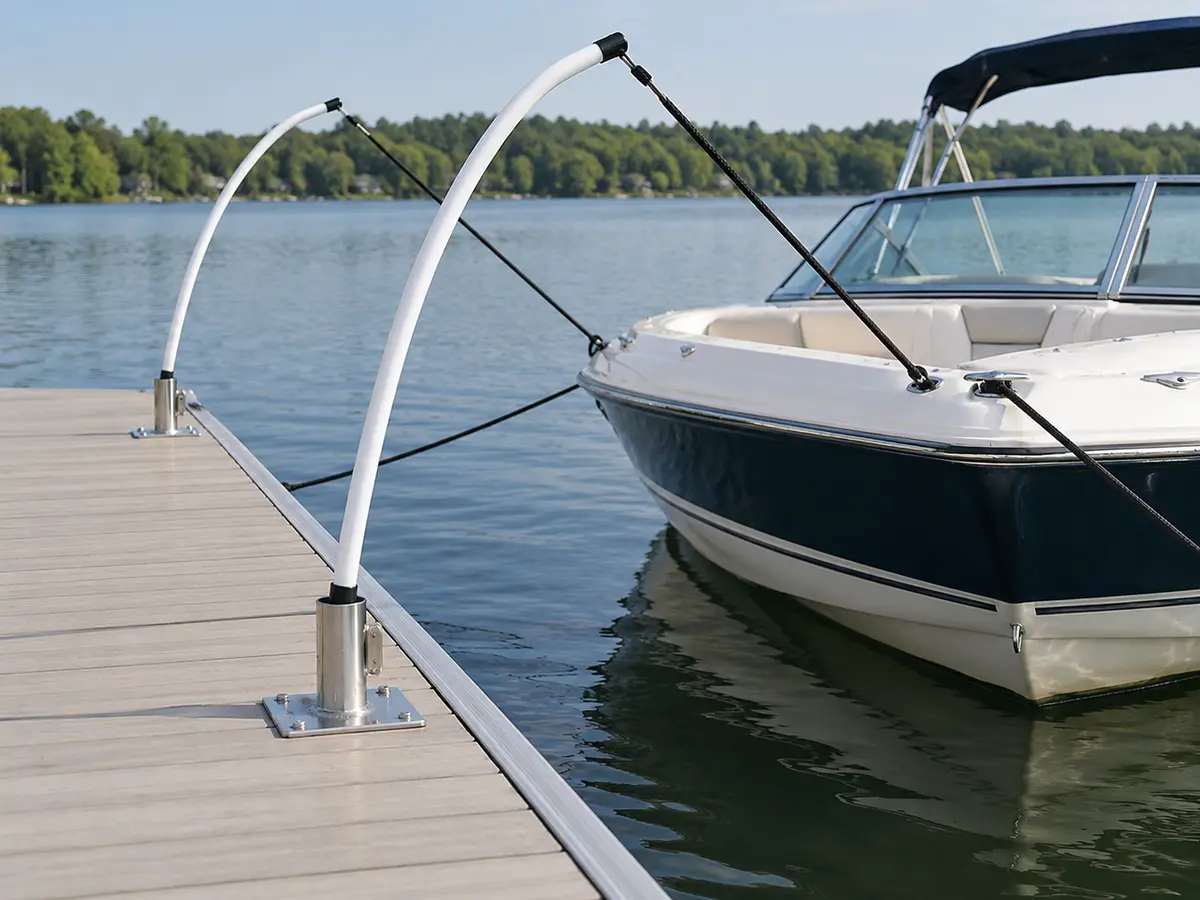
Match loaded weight, dock structure, geometry and exposure before choosing the poles.
Build the fit record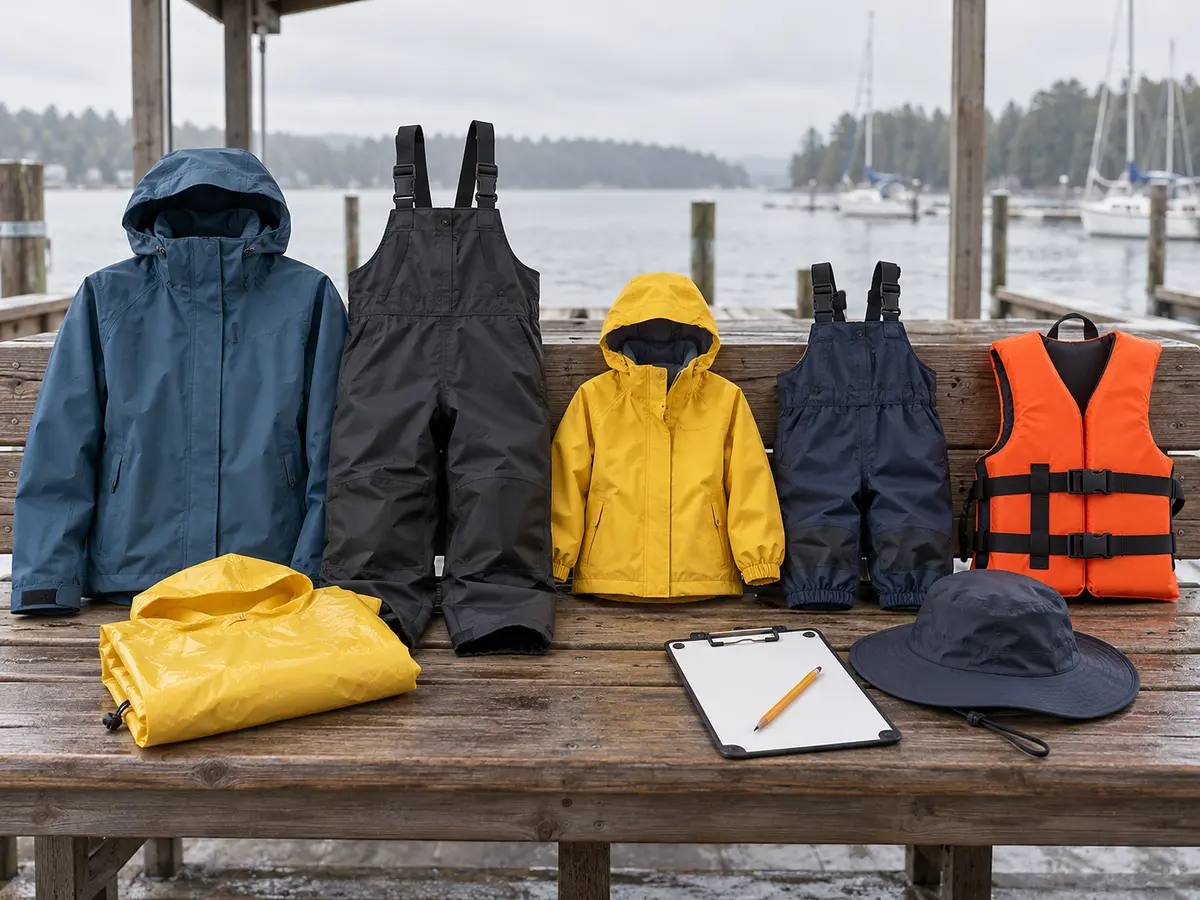
Choose the shell, bibs or shore backup by exposure, movement and the actual wearer.
Build the rain-gear system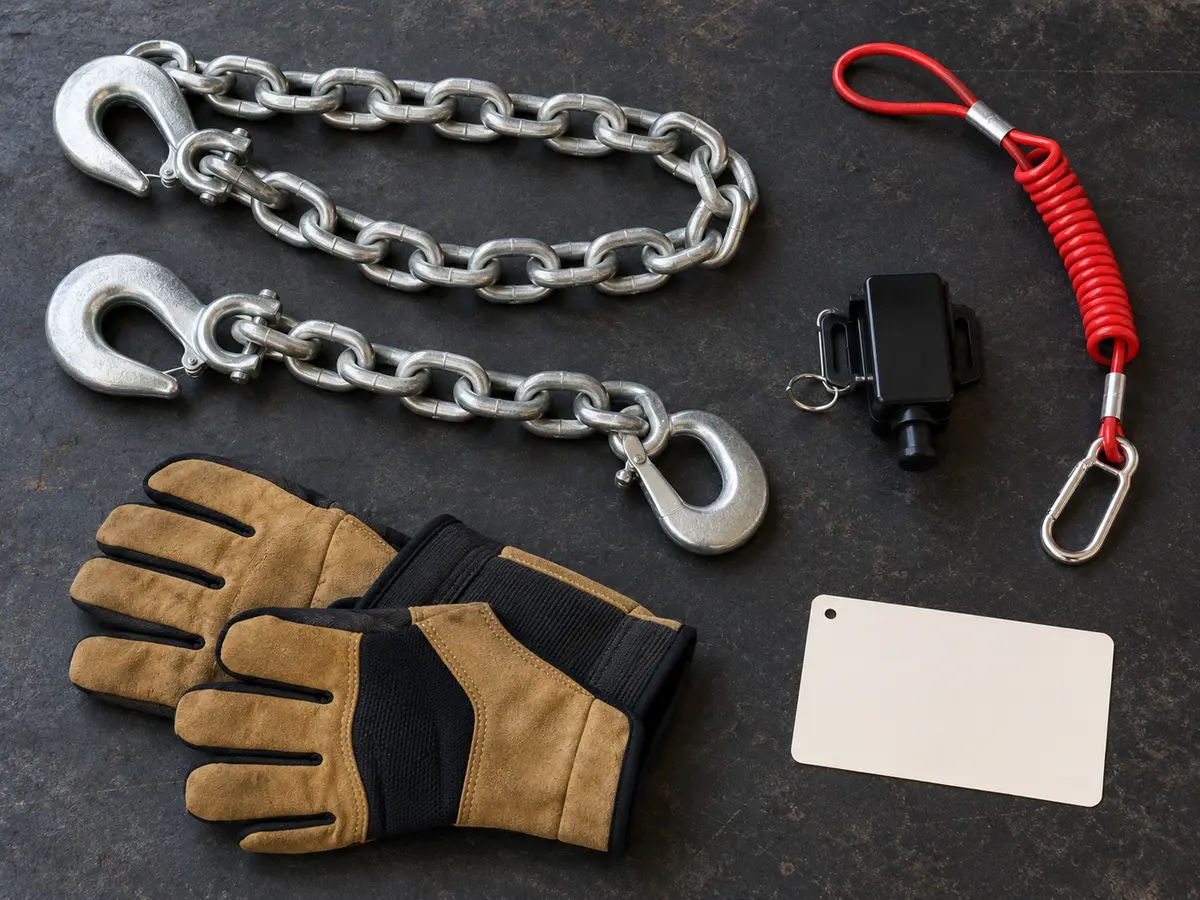
Match the rating, cross only as instructed and keep the breakaway layer independent.
Build the connection record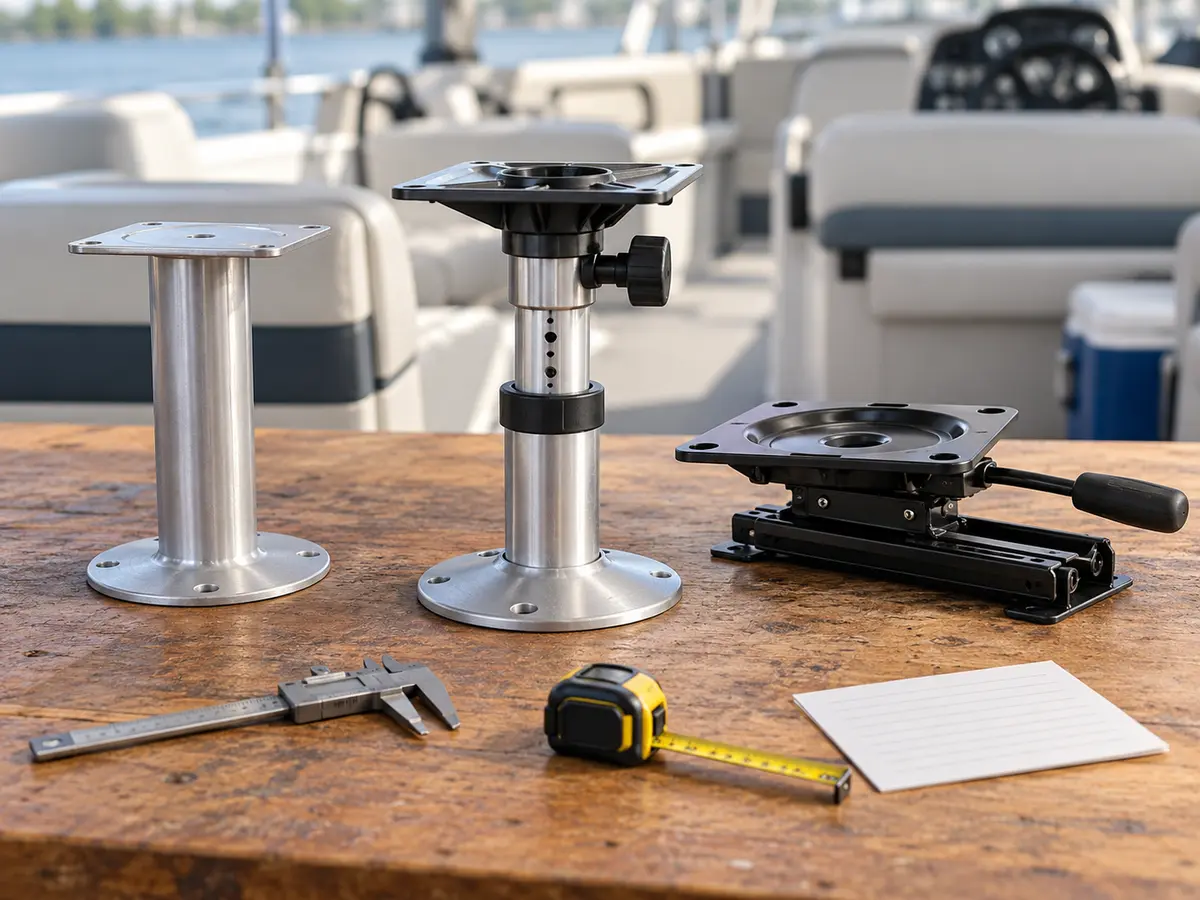
Classify the seat duty, then prove every interface from cushion to deck.
Build the fit card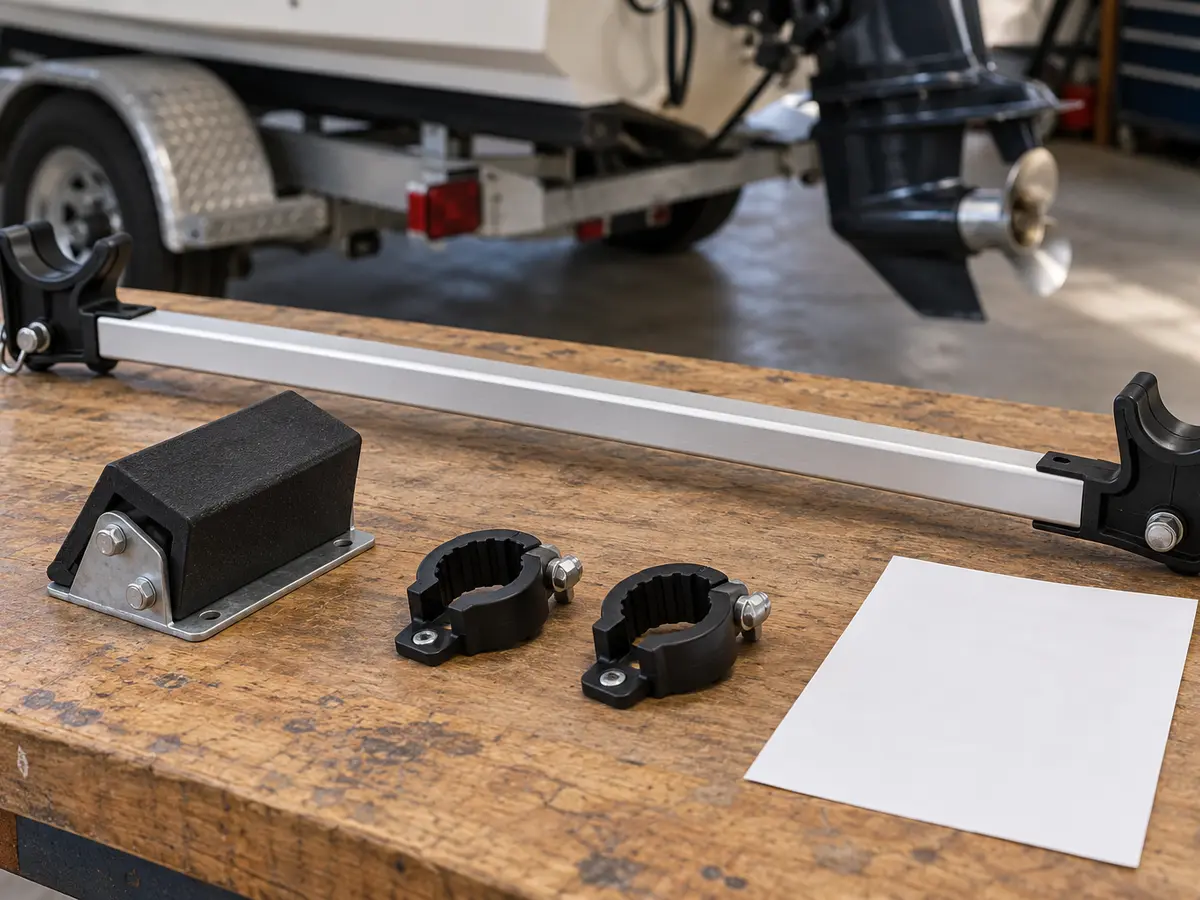
Separate vertical support from steering restraint, then prove engine, trailer and ground-clearance fit.
Build the fit card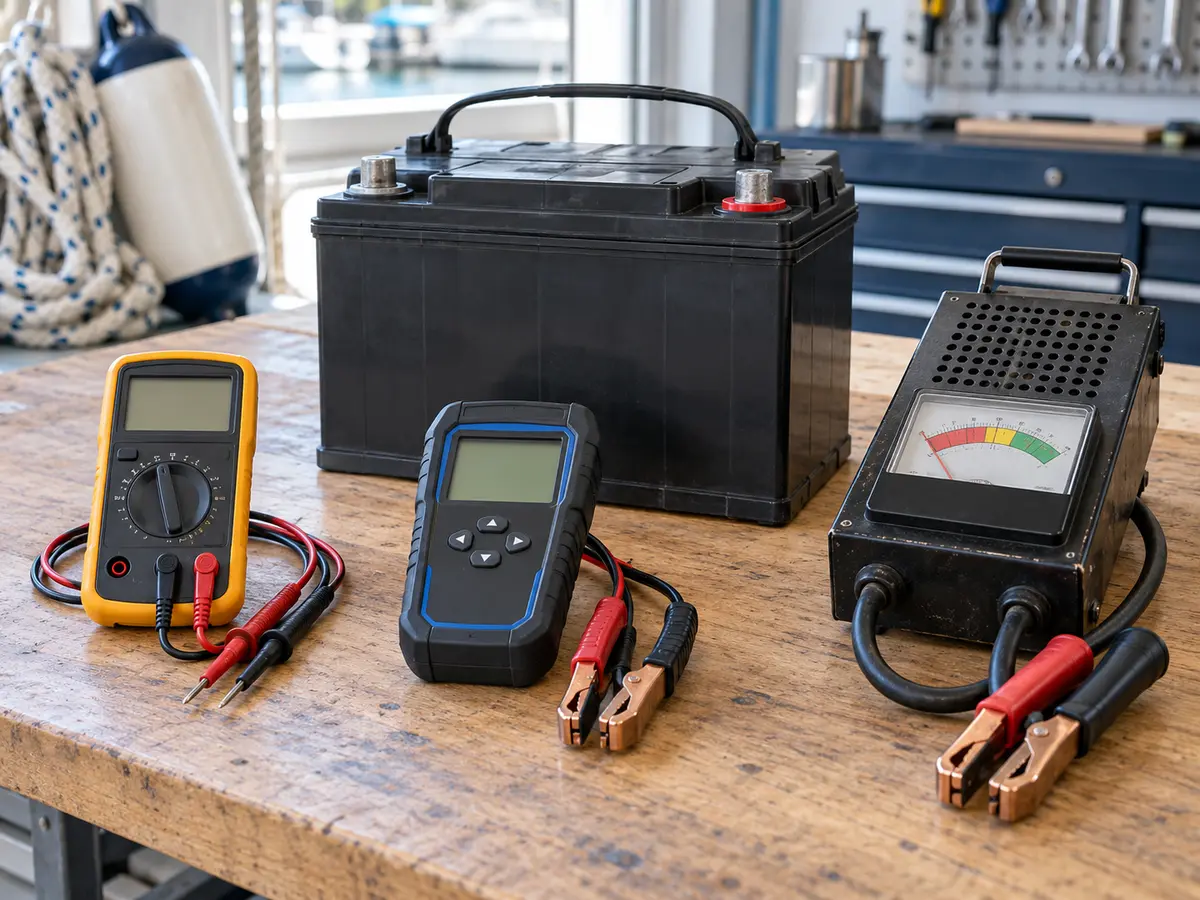
Separate voltage, starting-condition estimates and real capacity before choosing a battery test tool.
Choose the diagnostic job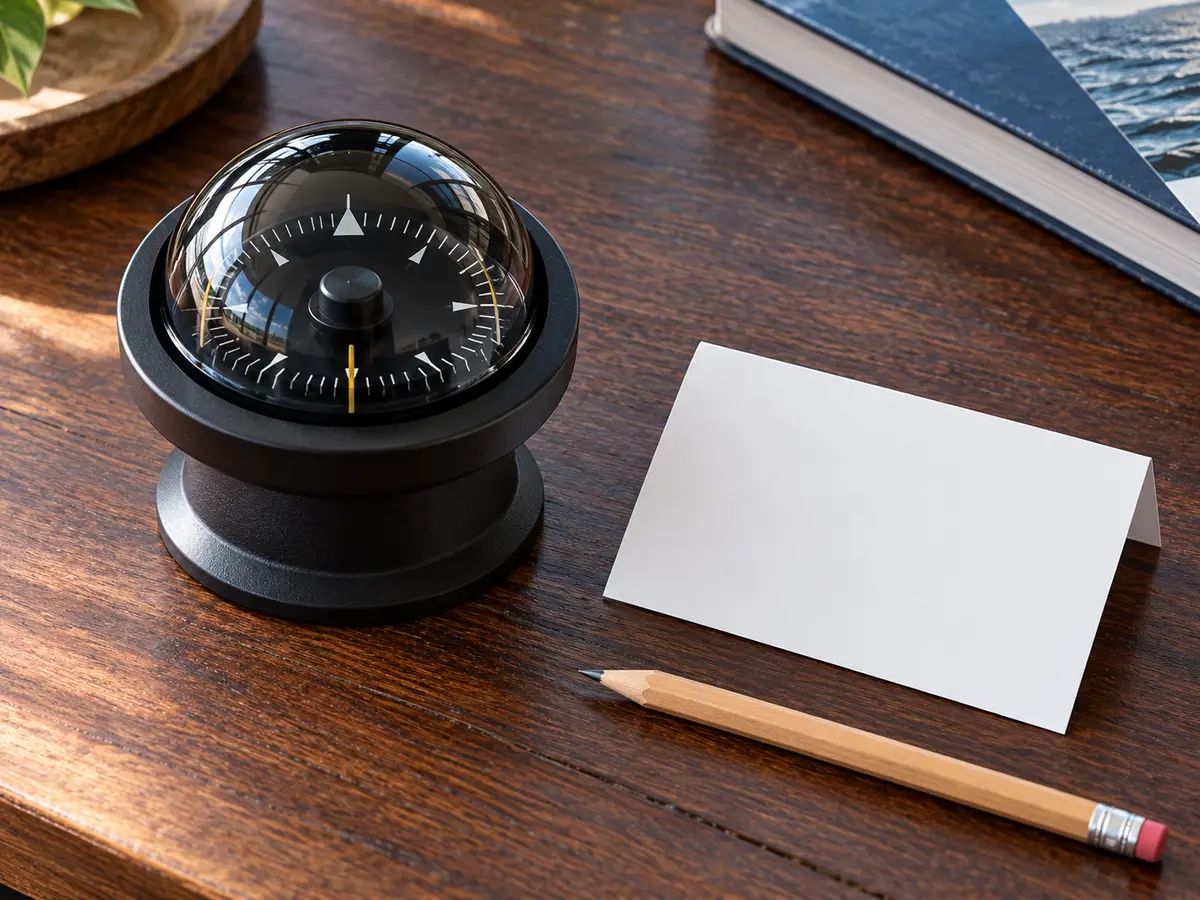
Choose a magnetic steering compass with a seven-field purchase record and a qualified installation boundary.
Build the purchase record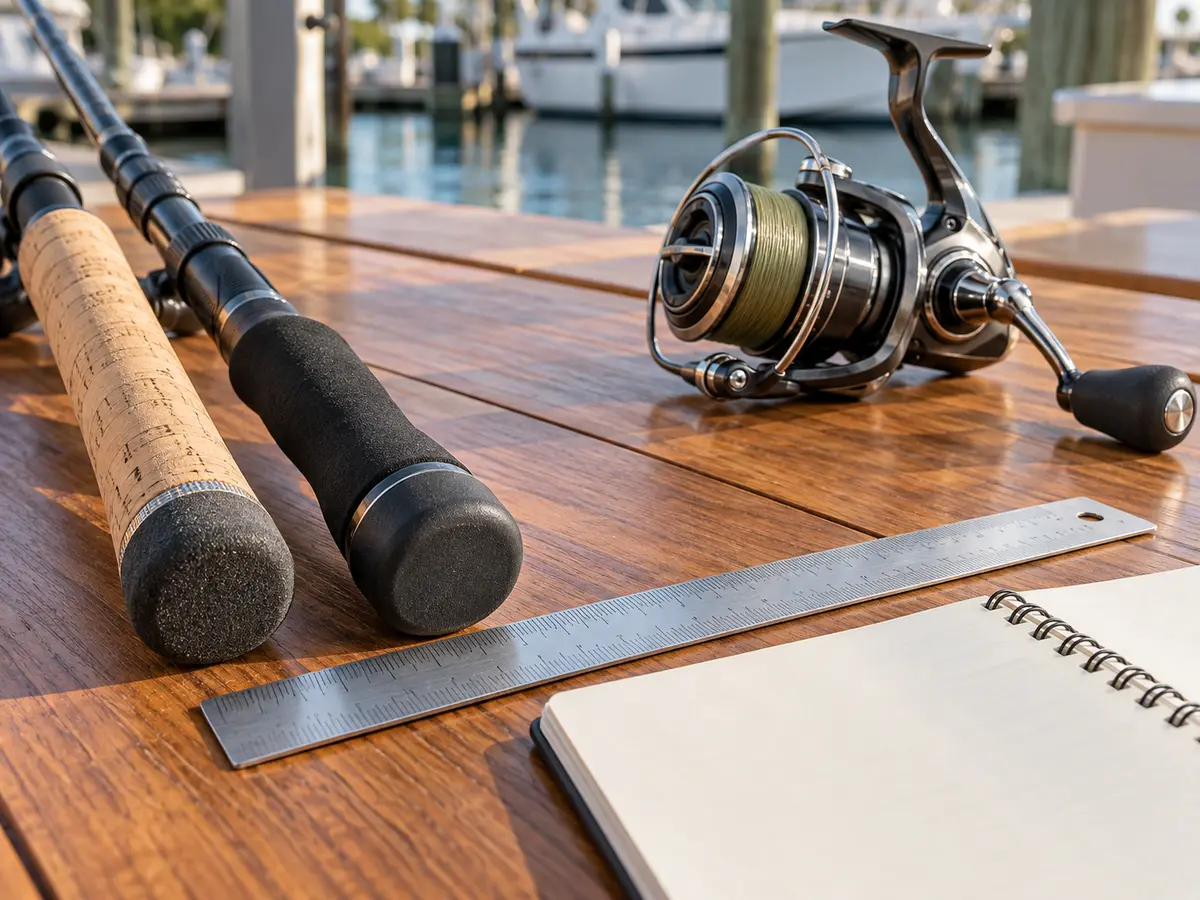
Measure the boat, match the mounting system and rehearse the actual rod-and-reel clearance.
Build the fit card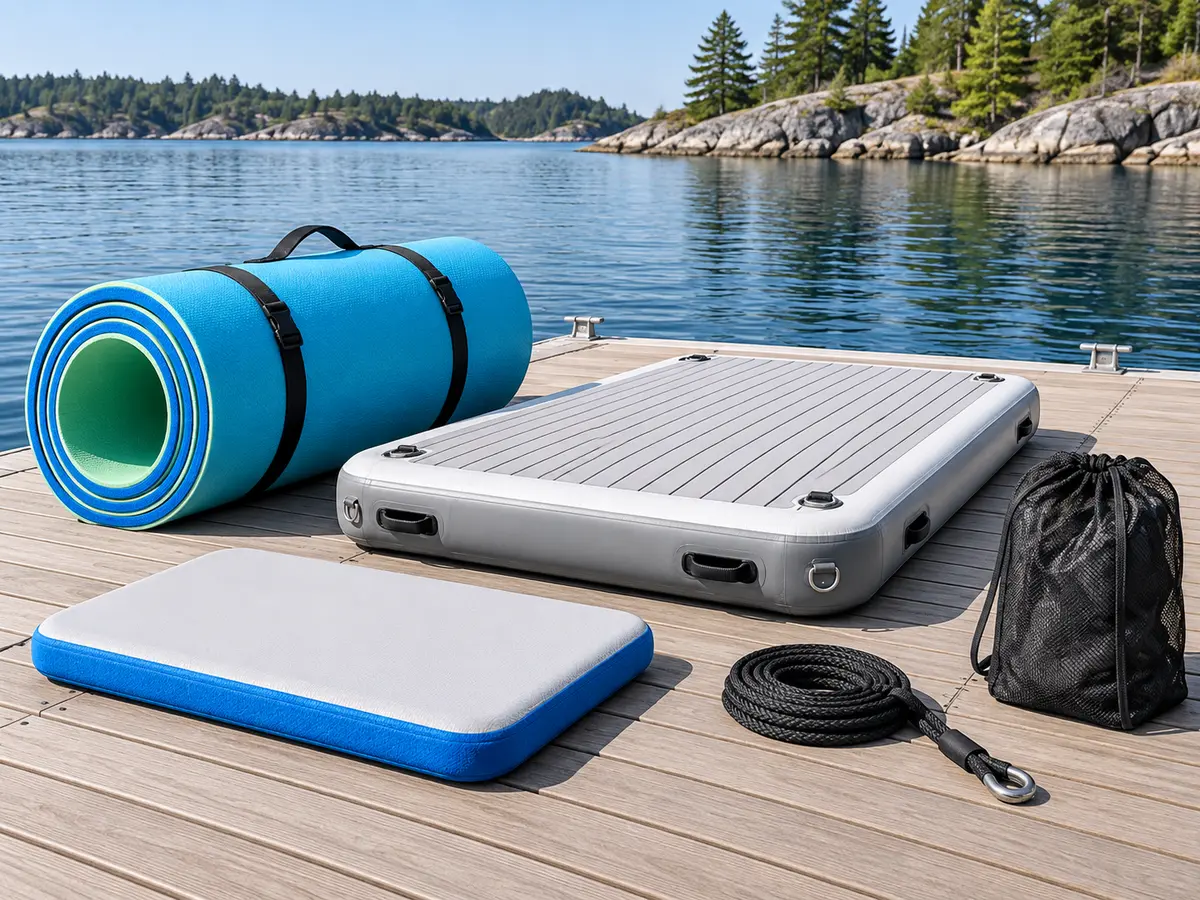
Compare foam mats, inflatable docks and compact pads only after the ladder and reboarding route pass.
Build the fit card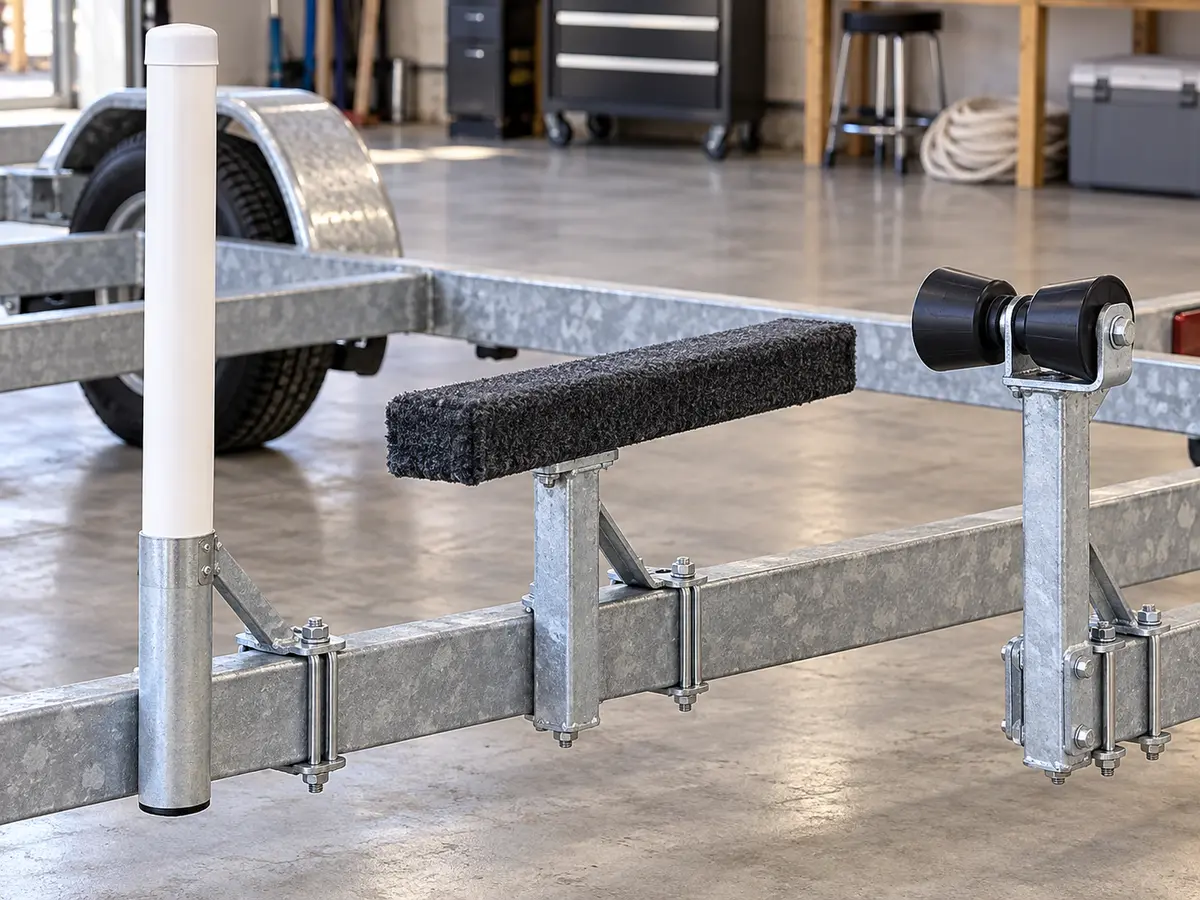
Choose posts, bunks or rollers by frame, hull and ramp geometry, then prove the fit in three stages.
Build the fit card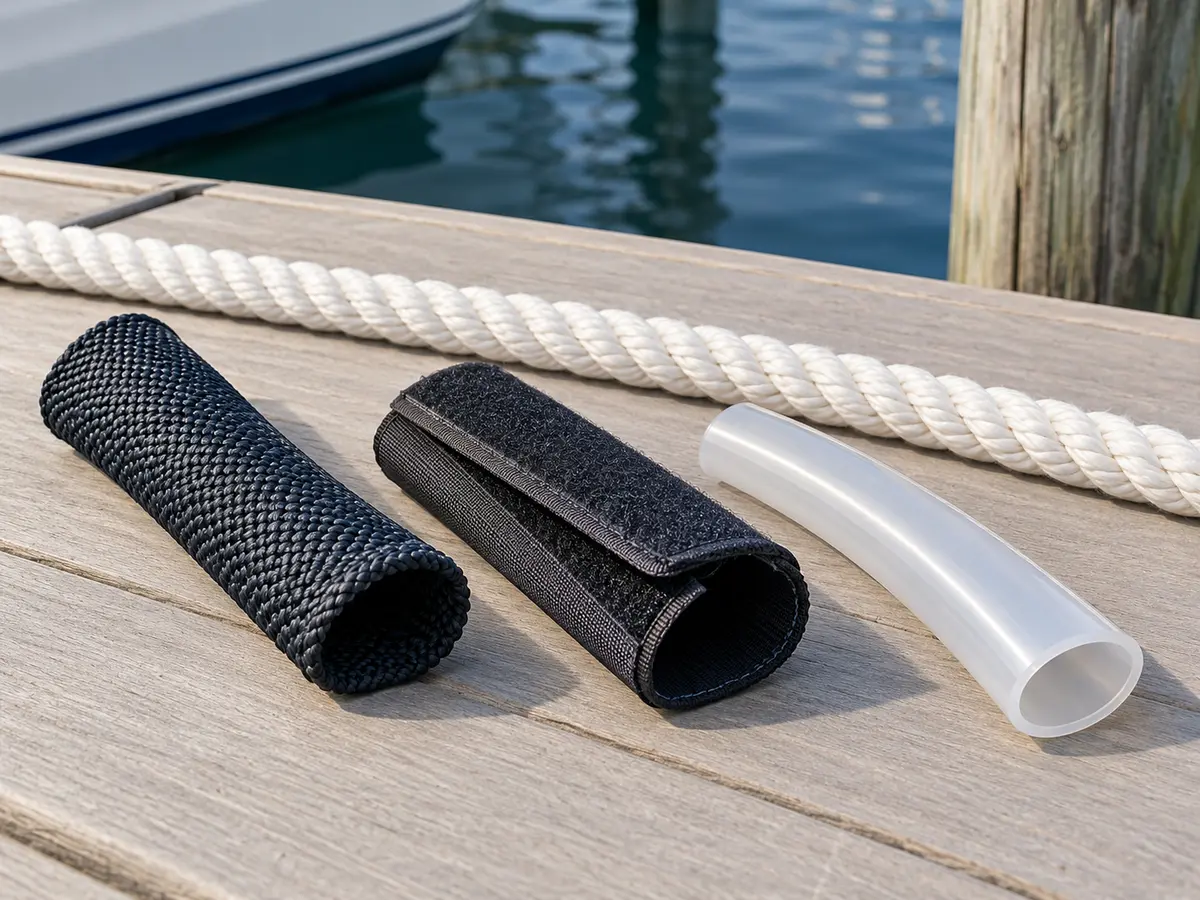
Map movement first; a sleeve that hides a worn rope is not protection.
Build the chafe map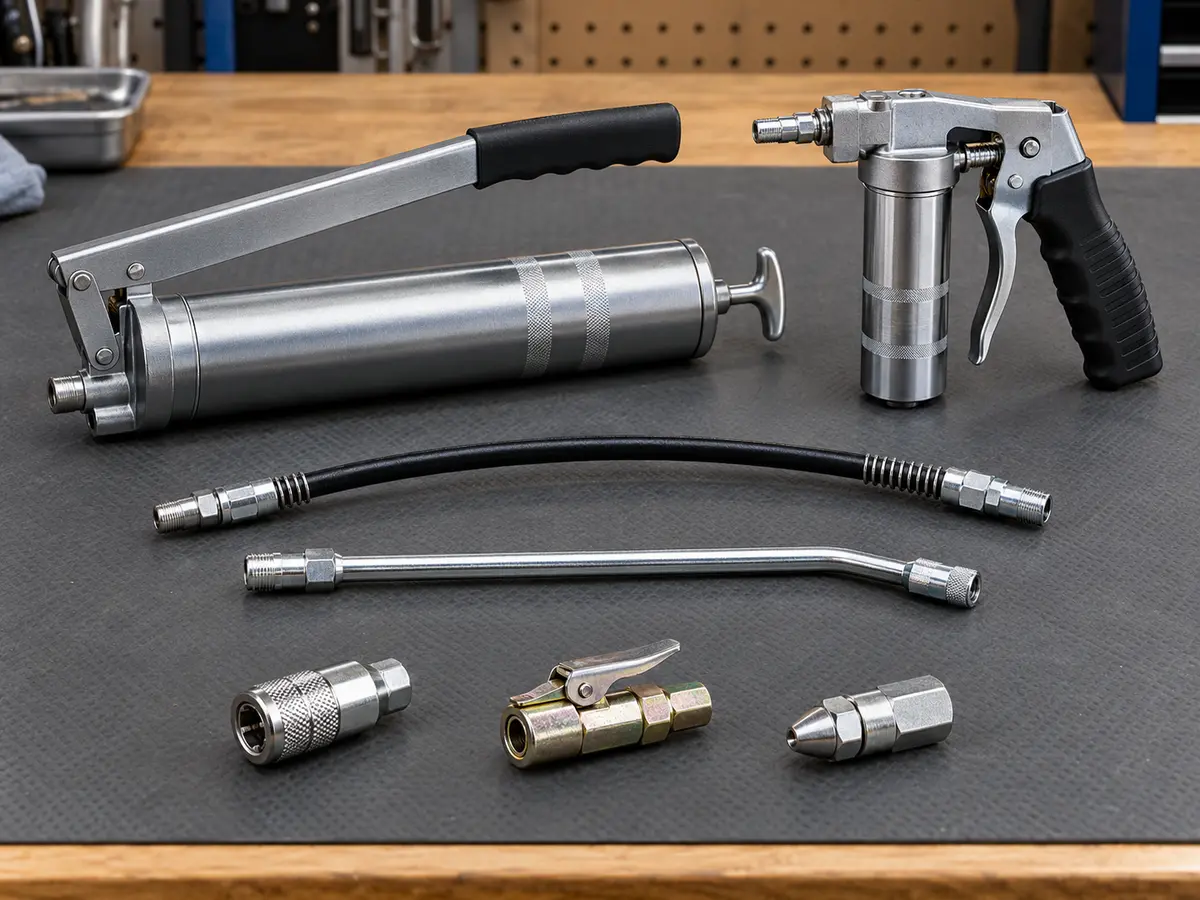
Start with the exact lubricant and service point; pressure is not the buying shortcut.
Build the five-field card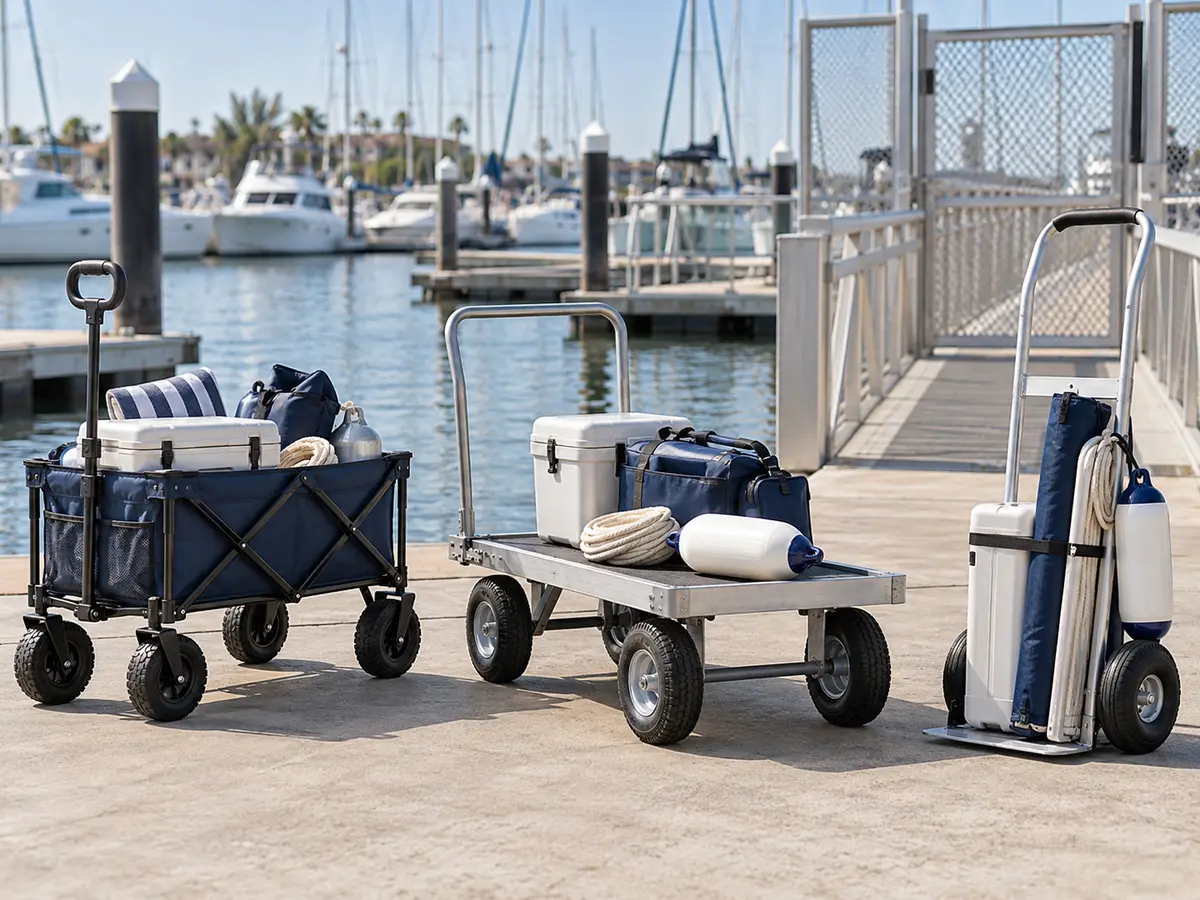
Compare the route, control, real load, stowage and reset—not a headline capacity.
Build the route card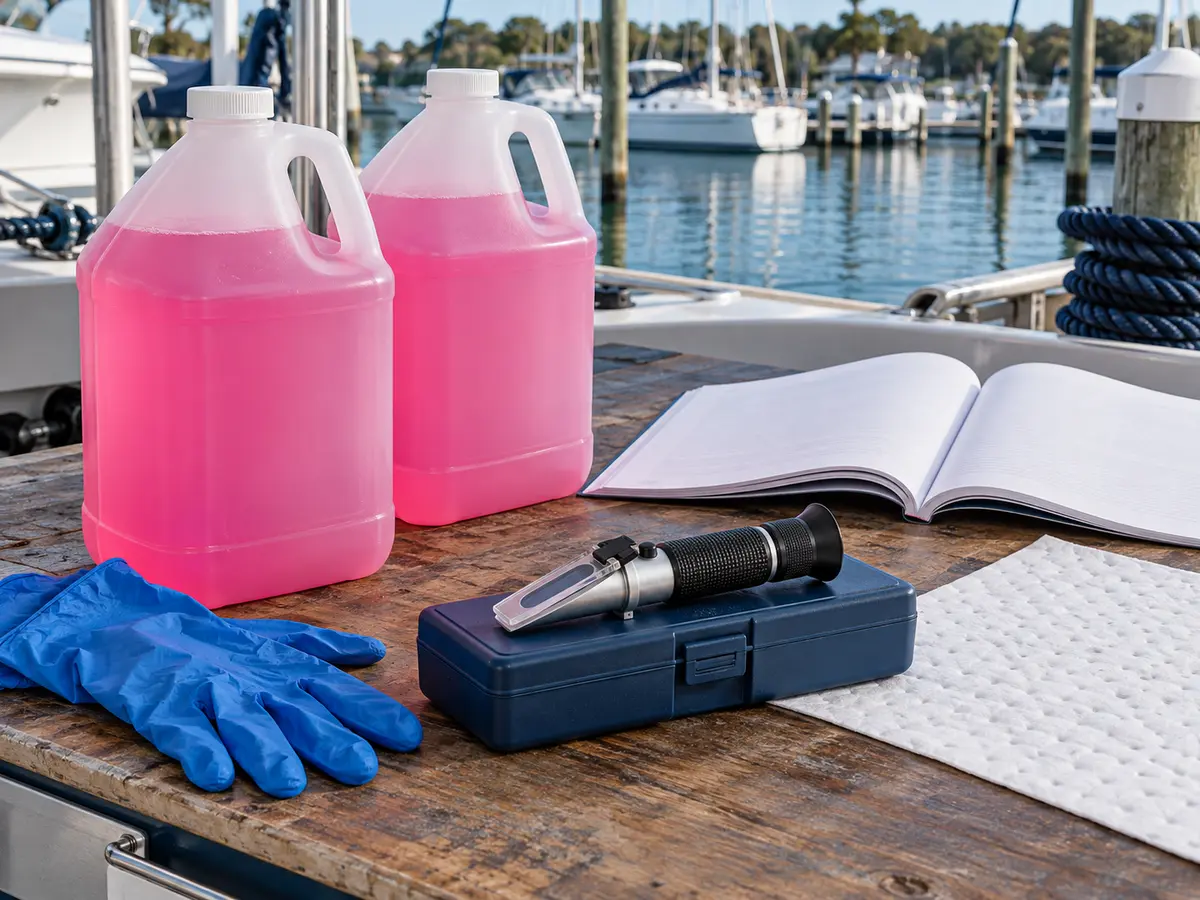
Separate potable plumbing, raw-water circuits and closed coolant before buying a jug.
Build the antifreeze card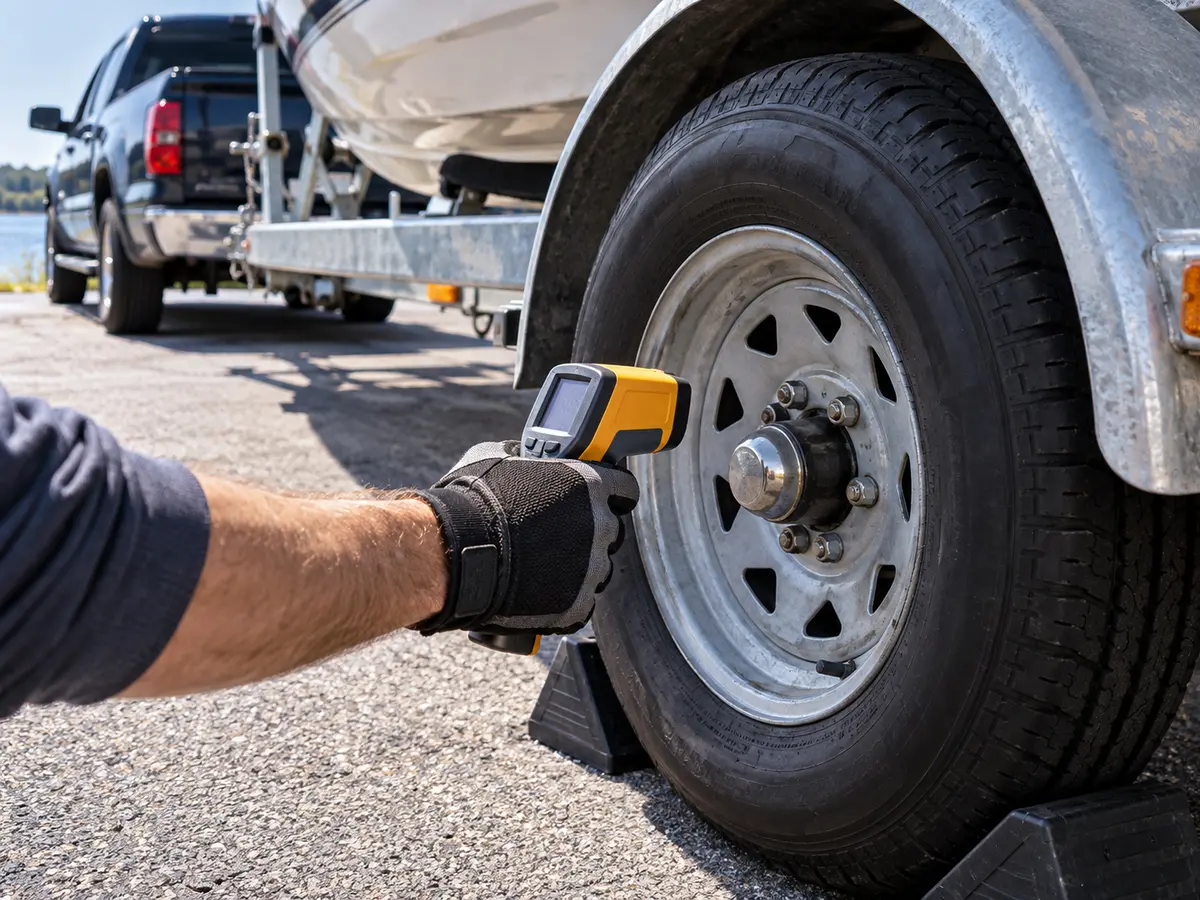
Identify the axle, follow its manual, compare like hubs and carry only an exact spare.
Build the hub card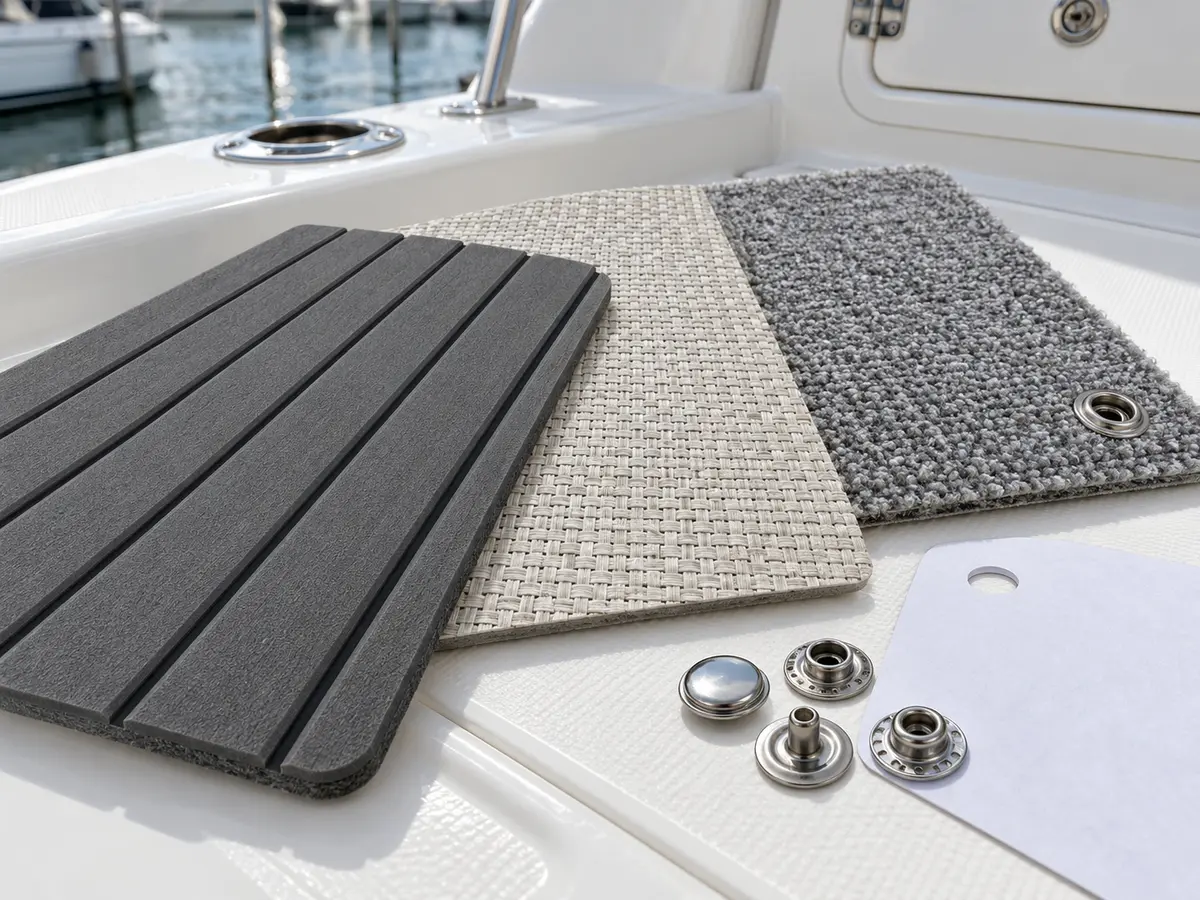
Compare attachment, drainage, substrate, access and eventual removal.
Use the five-gate matrix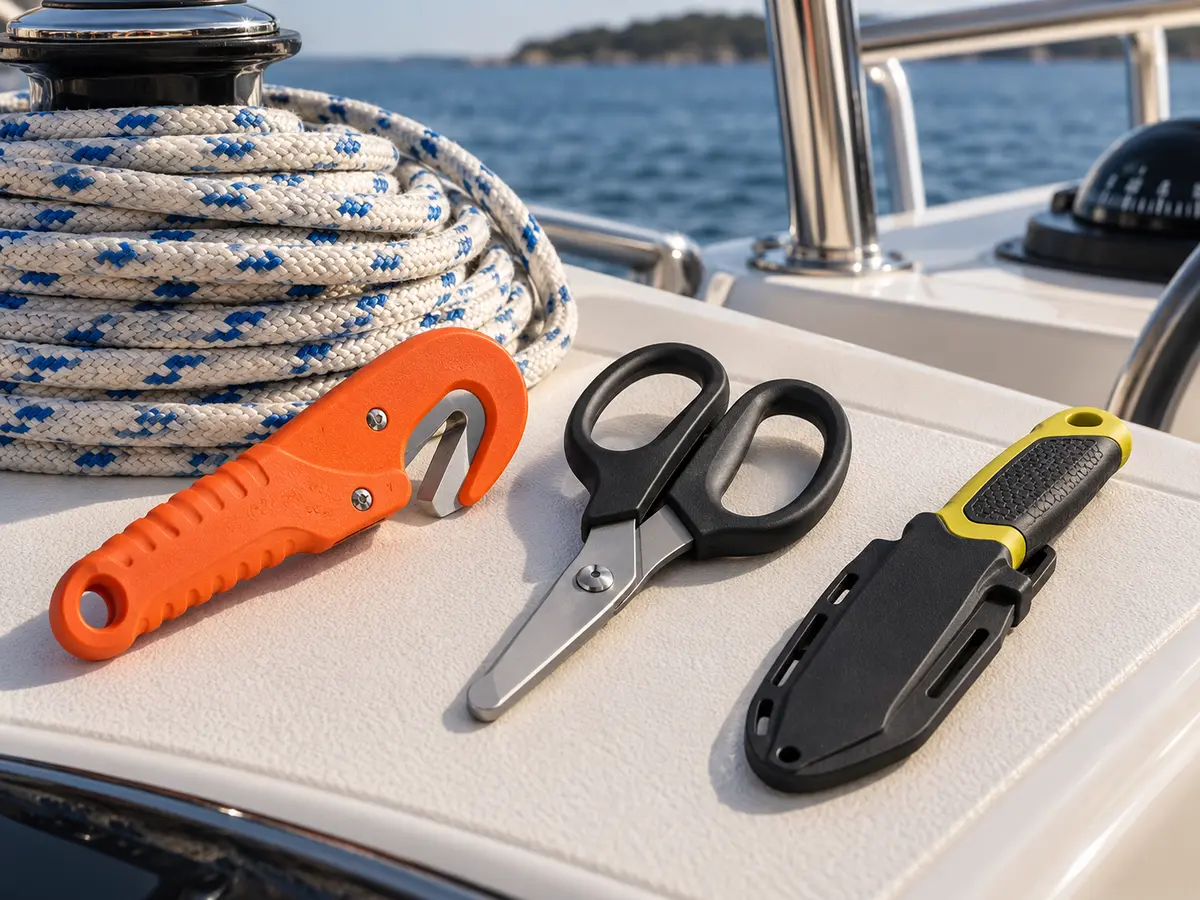
Match geometry to material, one-hand reach and retention.
Use the tool matrix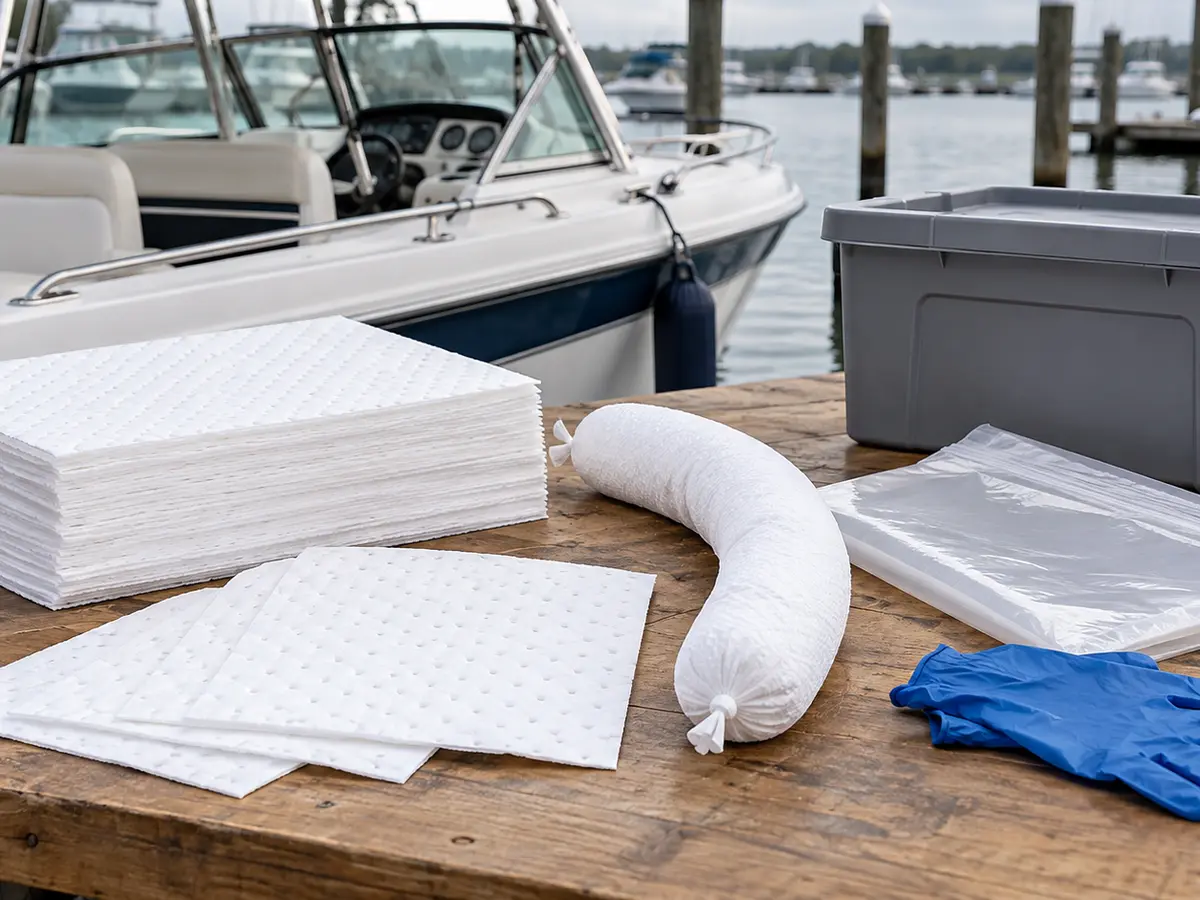
Match the sorbent form to the job, fit, retrieval route and disposal plan.
Use the decision card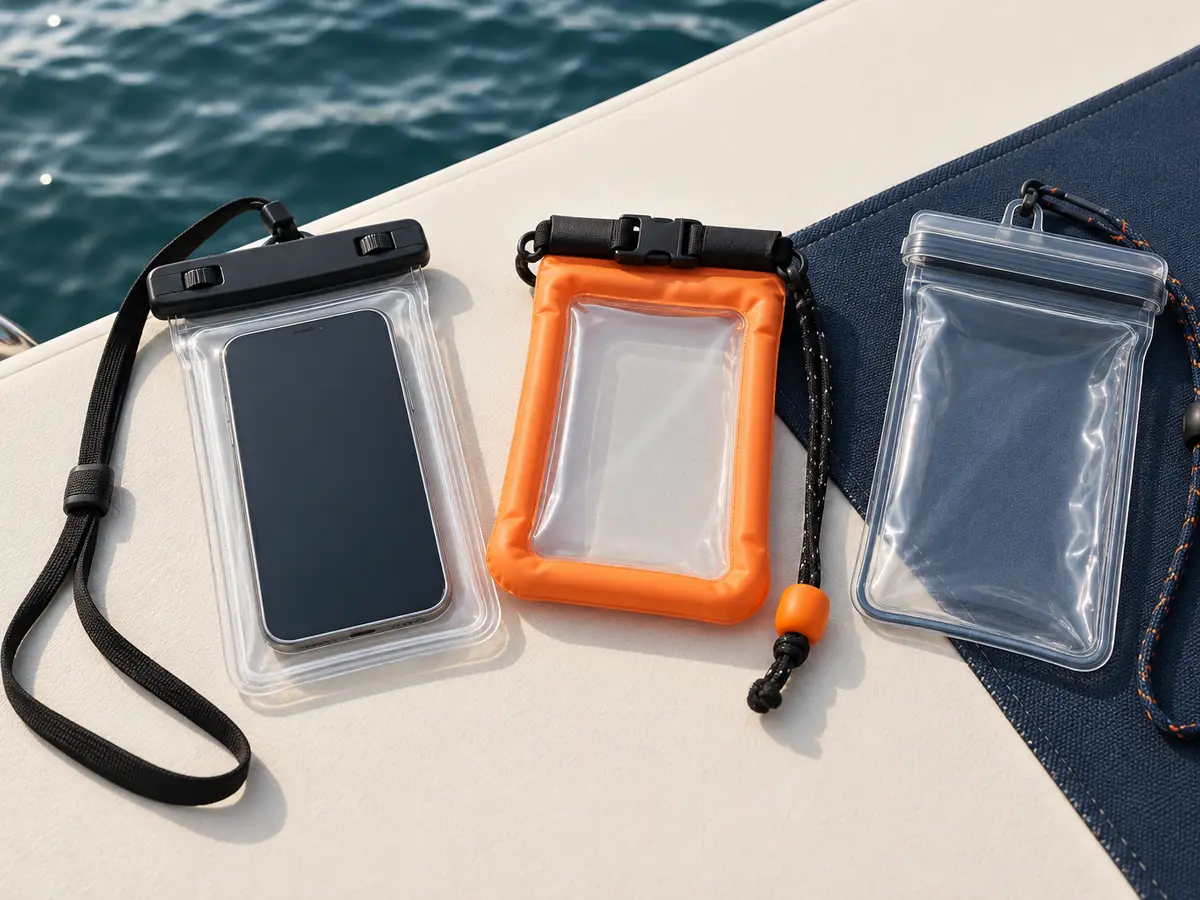
Match internal fit, closure evidence, buoyancy and tether routing before the phone goes inside.
Use the six-field match card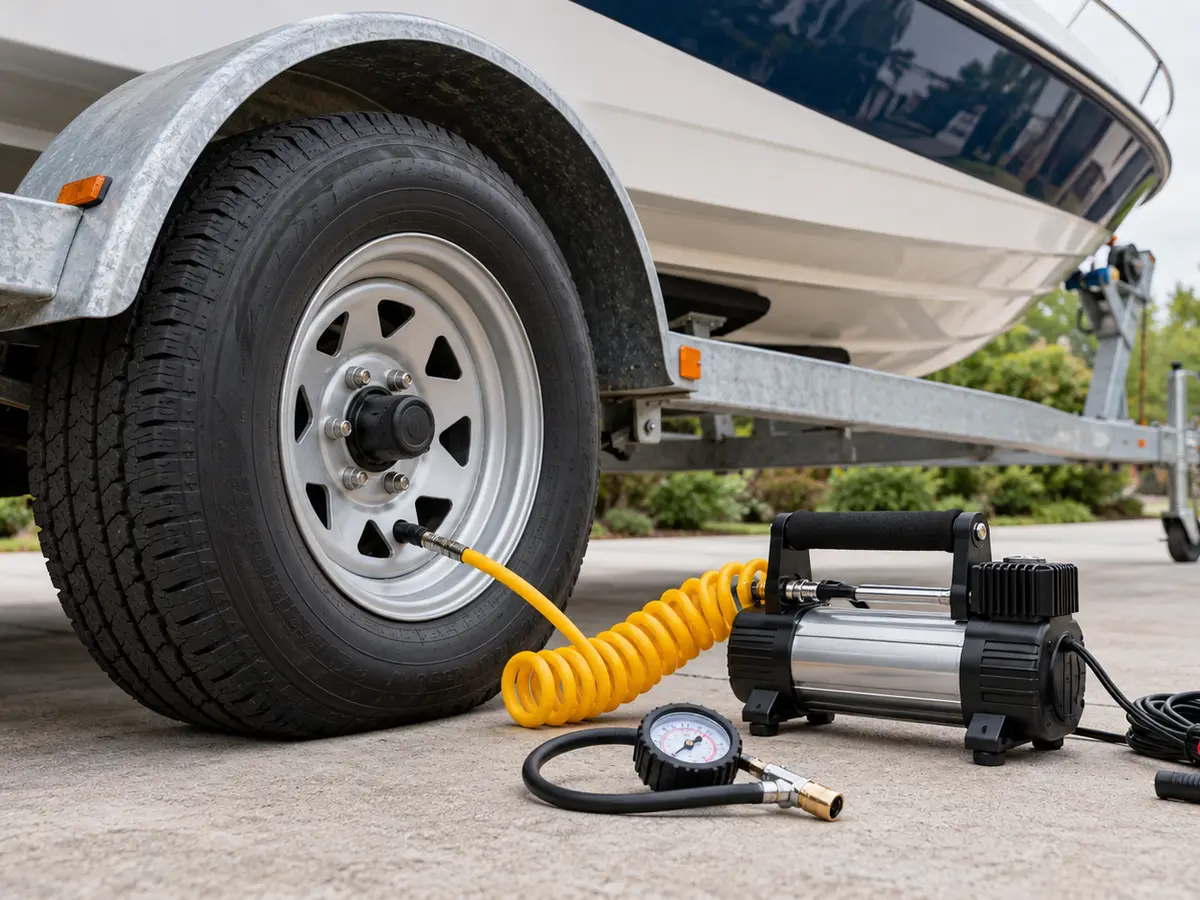
Compare work pressure, duty cycle, power draw, reach and independent verification.
Open the inflator guide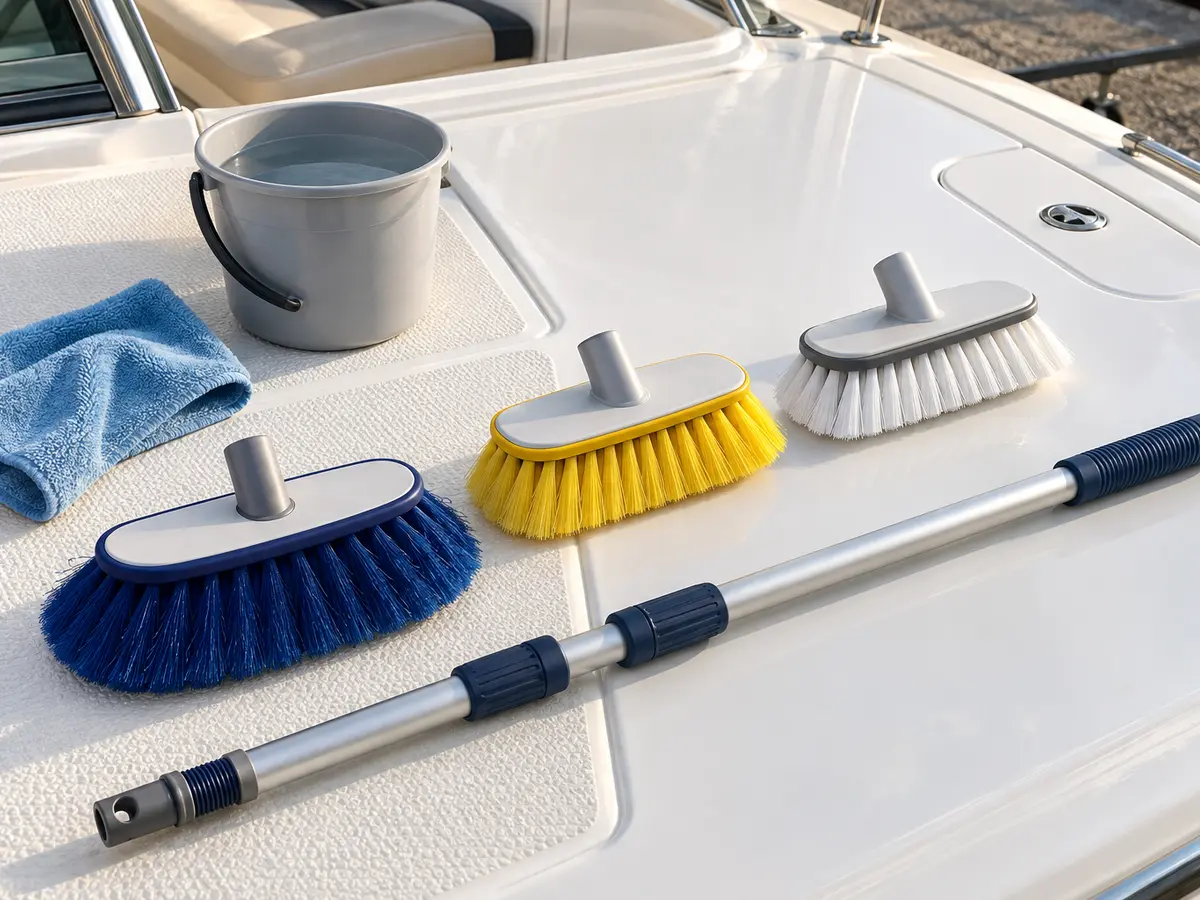
Build a three-head wash map and keep grit from crossing onto delicate panels.
Open the brush guide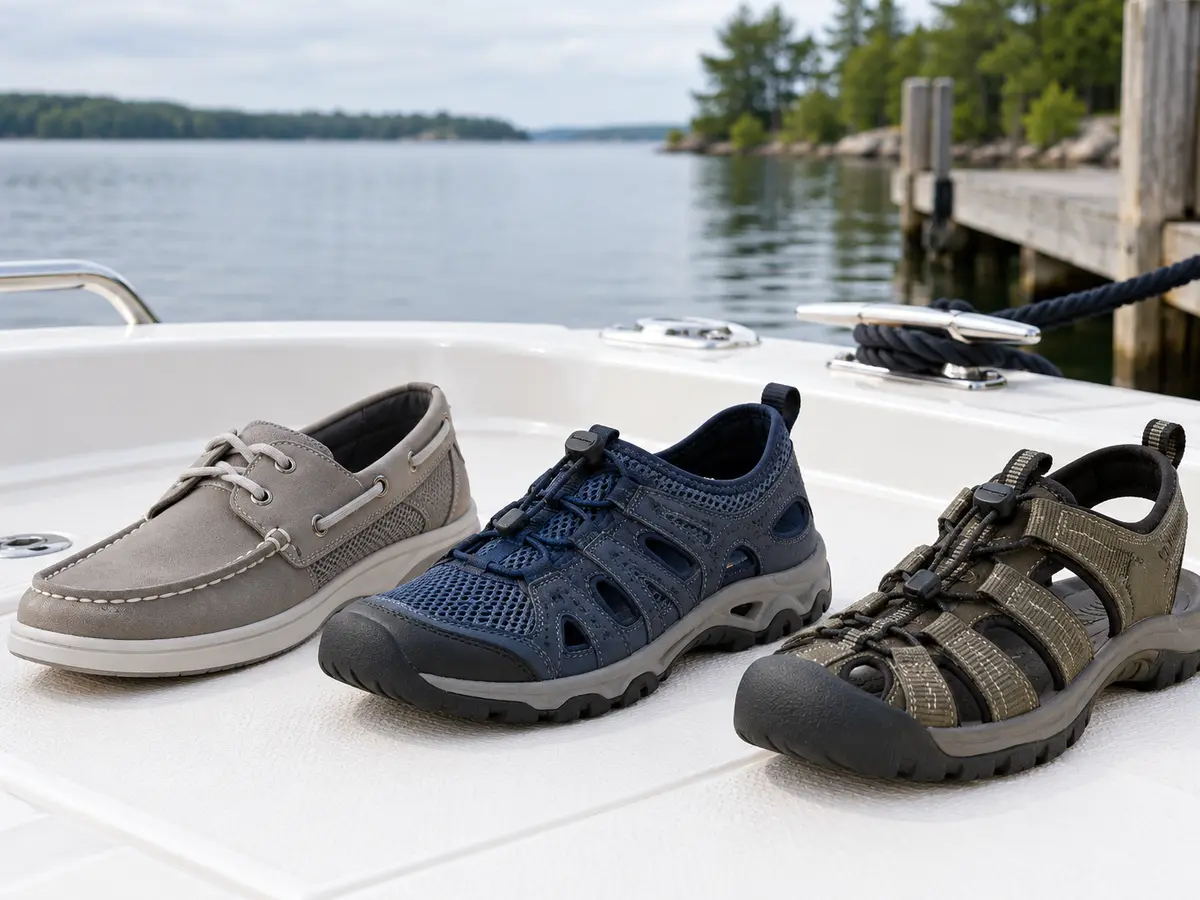
Compare fit, closure, sole, deck effect, drainage, protection and care—not a generic nonslip claim.
Use the fit card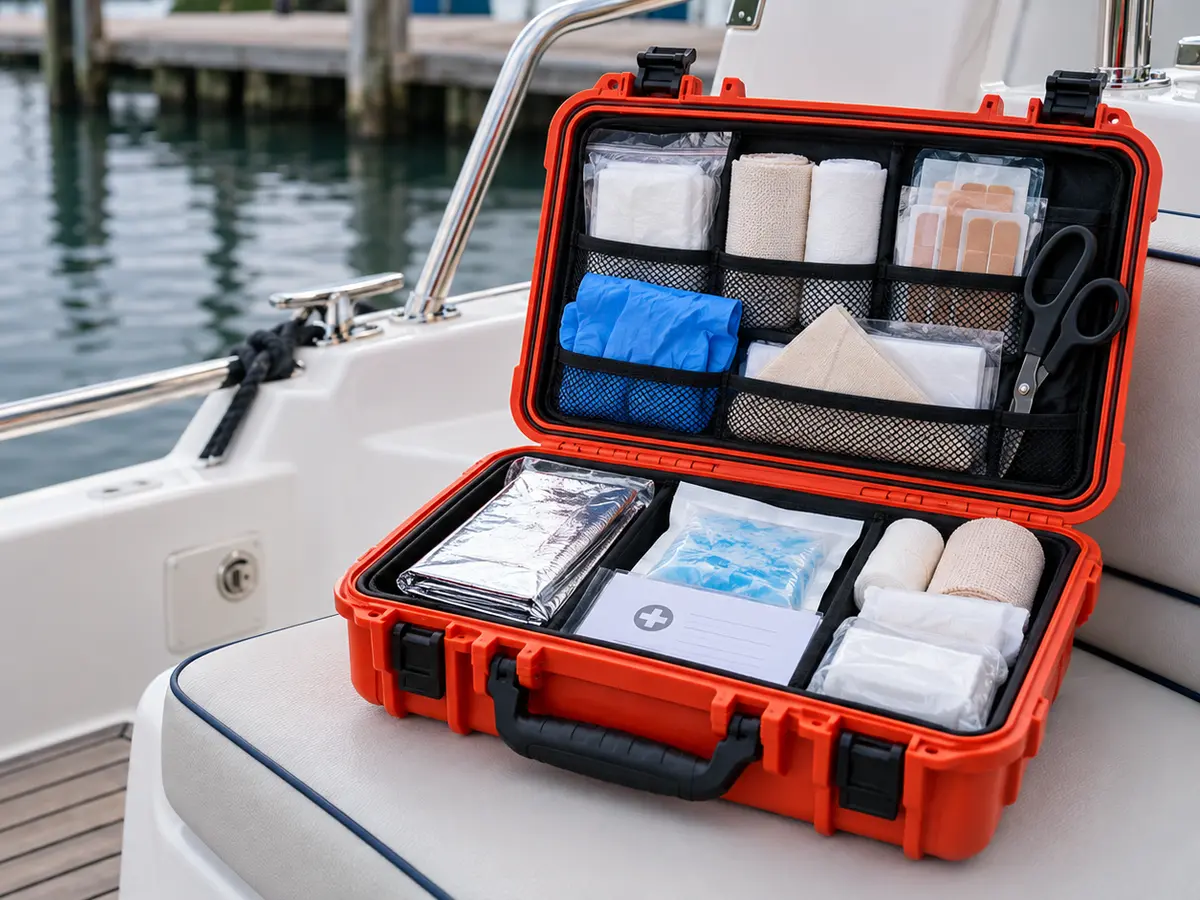
Compare contents, waterproofing, crew needs and access with a five-layer fit card.
Build the kit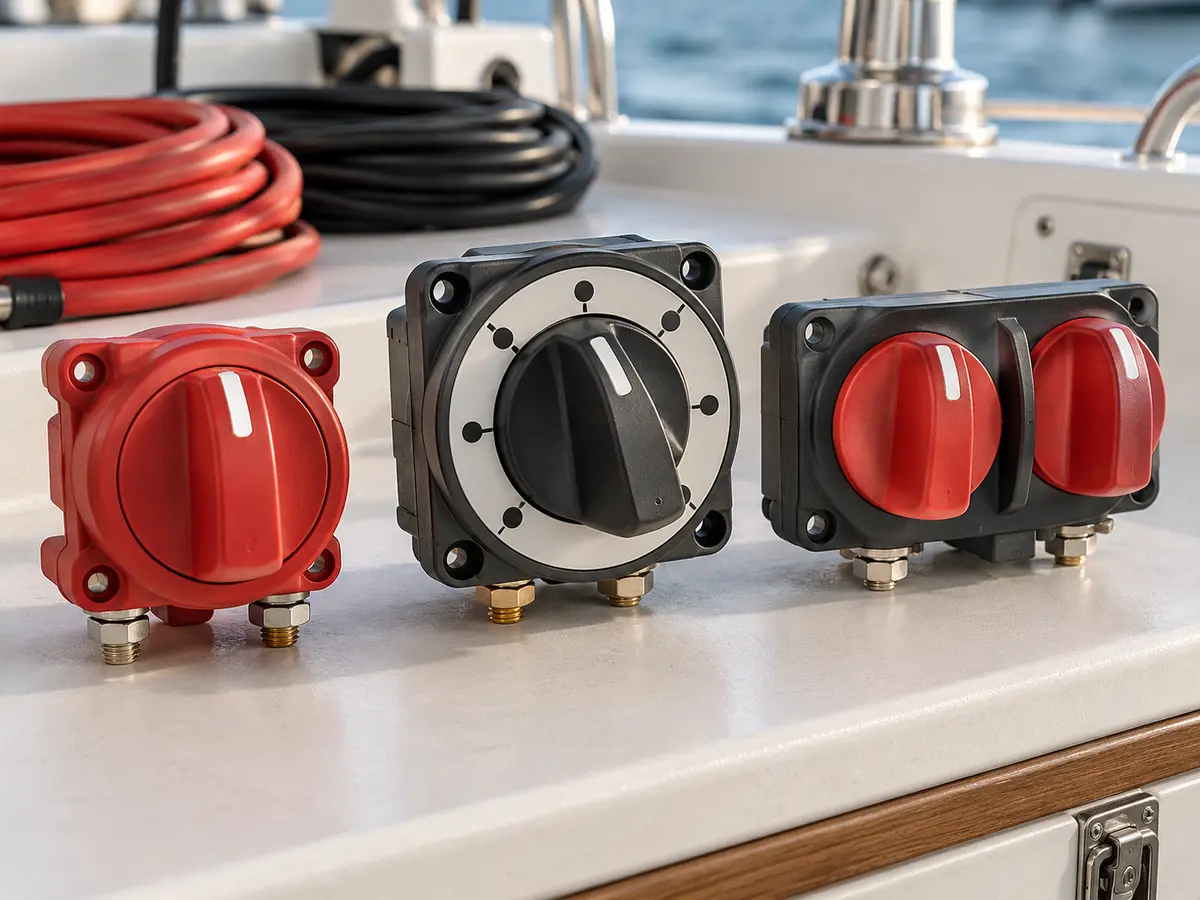
Compare On/Off, selector and dual-circuit functions only after mapping banks, loads and charging paths.
Build the fit card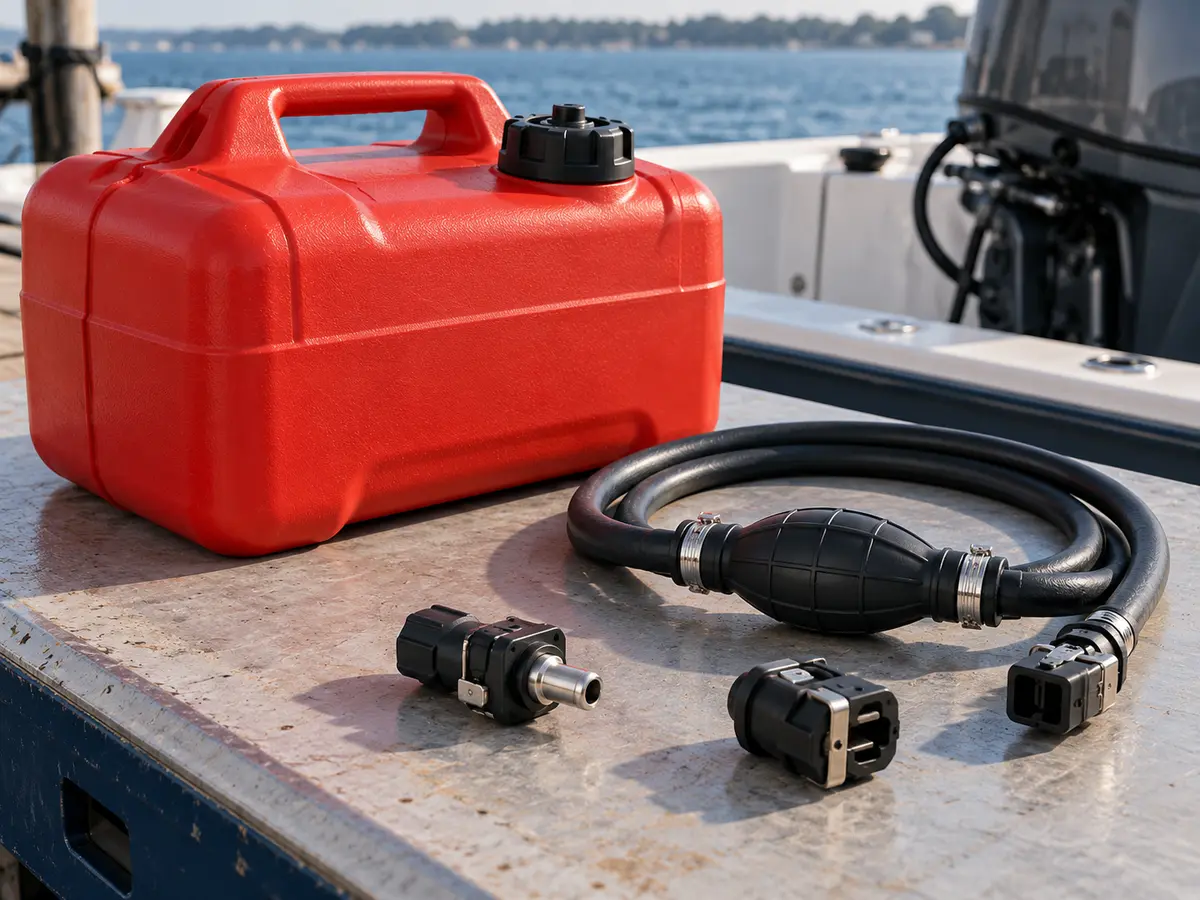
Fit the tank, connector, hose, venting and storage to the exact engine and boat manuals.
Build the fit card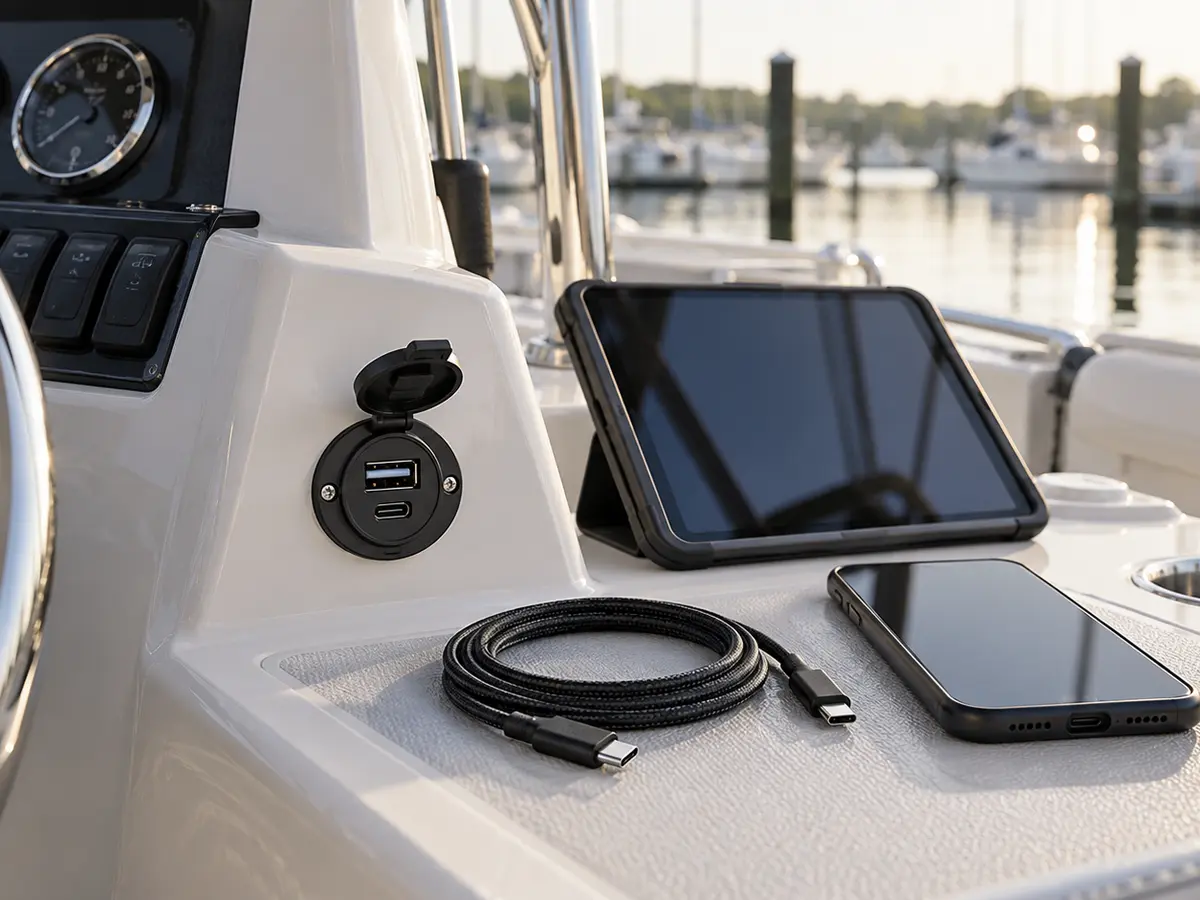
Check input range, PD profiles, shared load, protection and installation before cutting the panel.
Build the fit card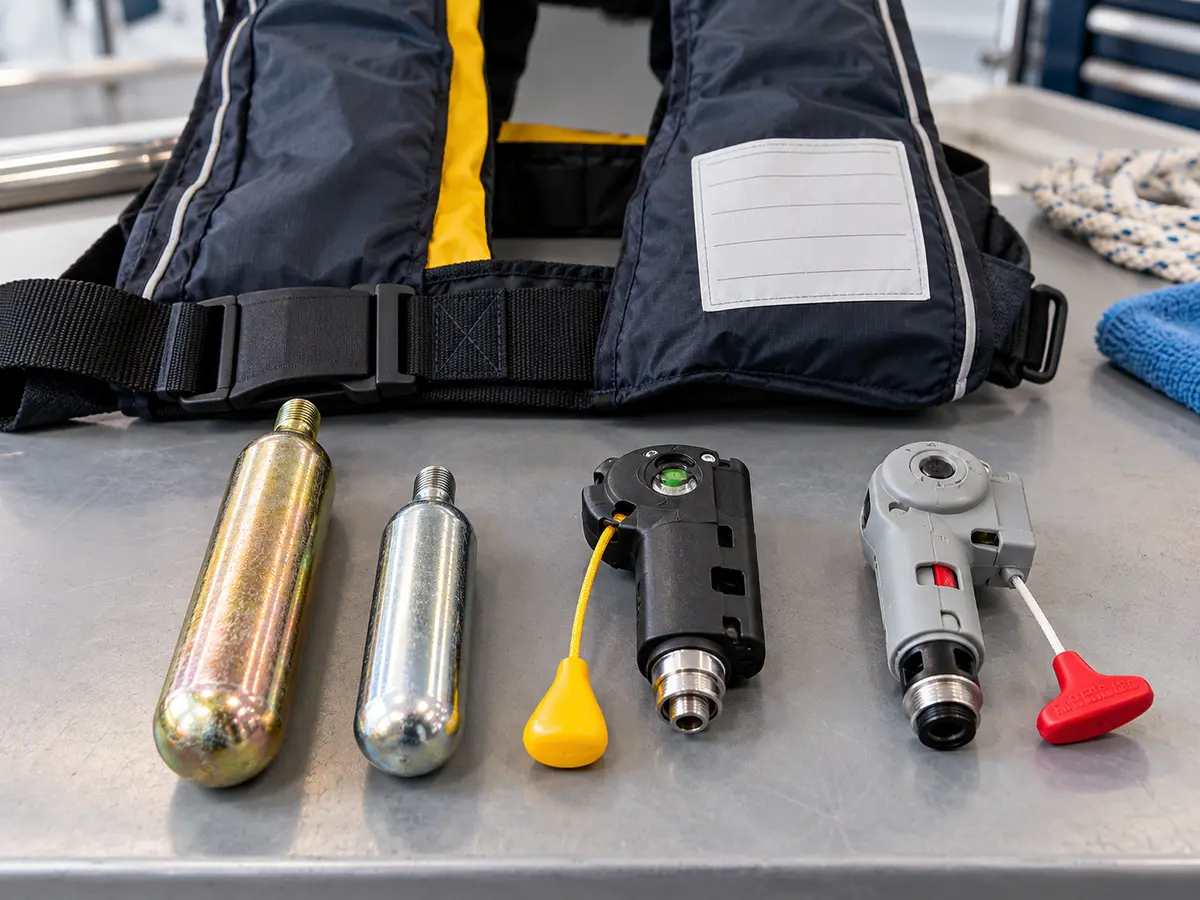
Use the jacket model, inflator architecture, cylinder specification and component dates.
Build the fit card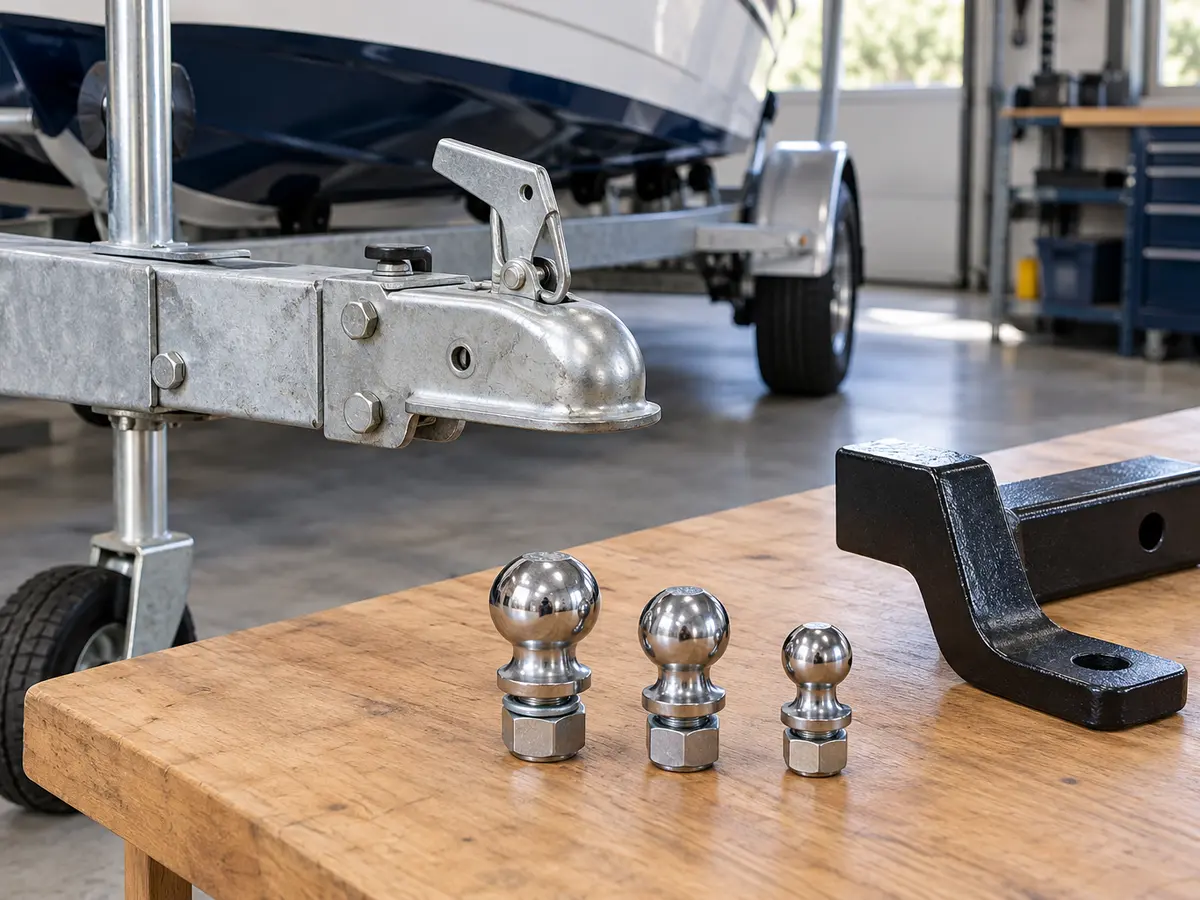
Match ball diameter, loaded ratings, shank, receiver and rise or drop before coupling.
Build the fit card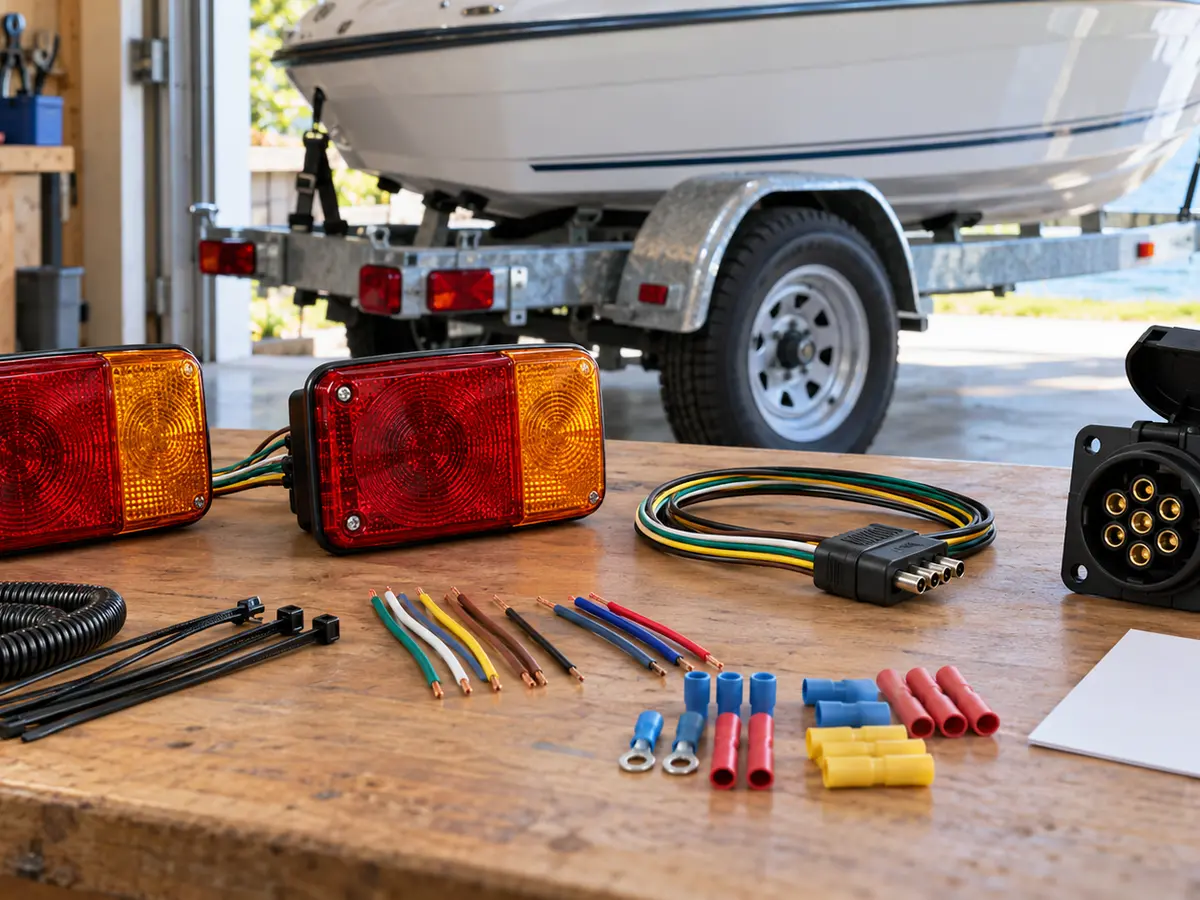
Preserve every required function, then match the lamps, connector, ground and immersion procedure.
Build the fit card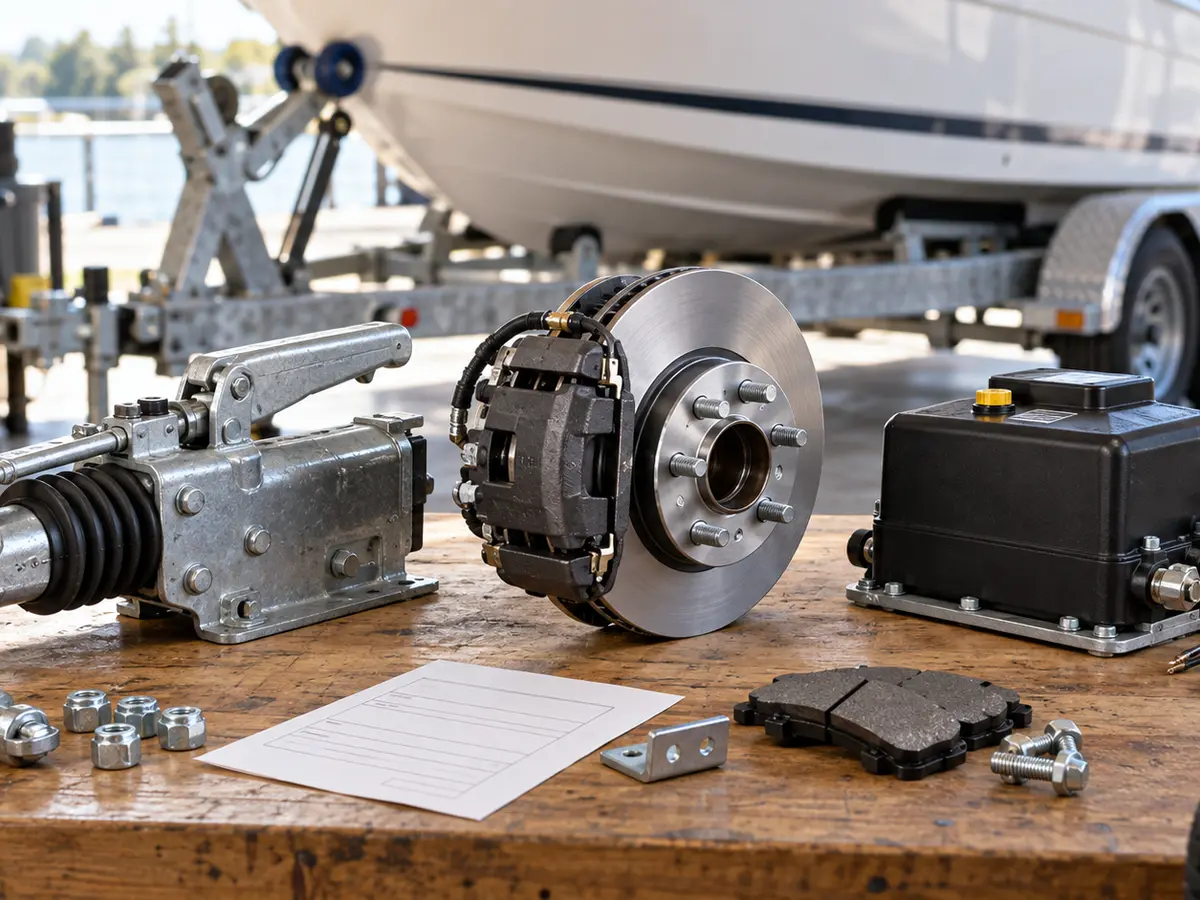
Compare surge, electric-over-hydraulic and electric brakes only after weight, axle, controller and law match.
Build the fit card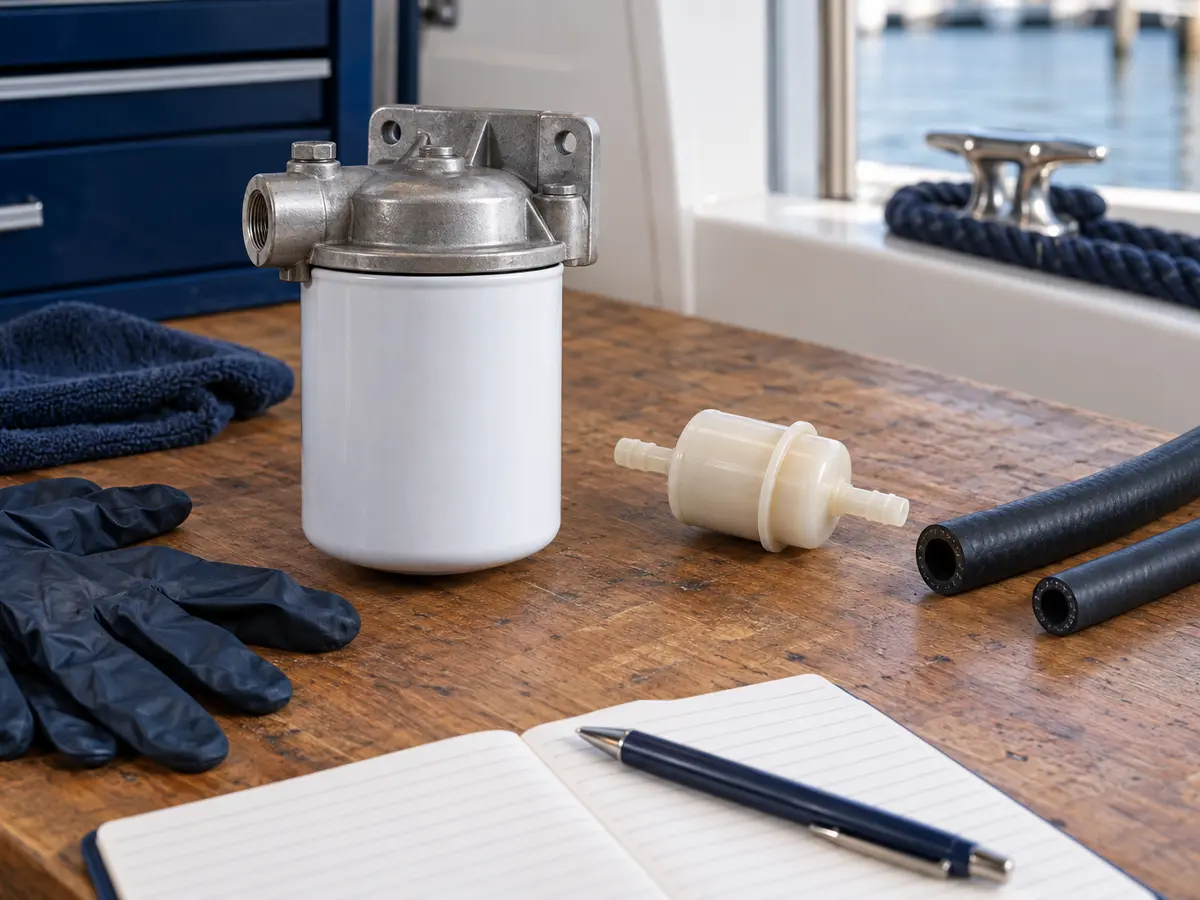
Separate the filter jobs, then match fuel, micron basis, flow, restriction and housing.
Build the fit card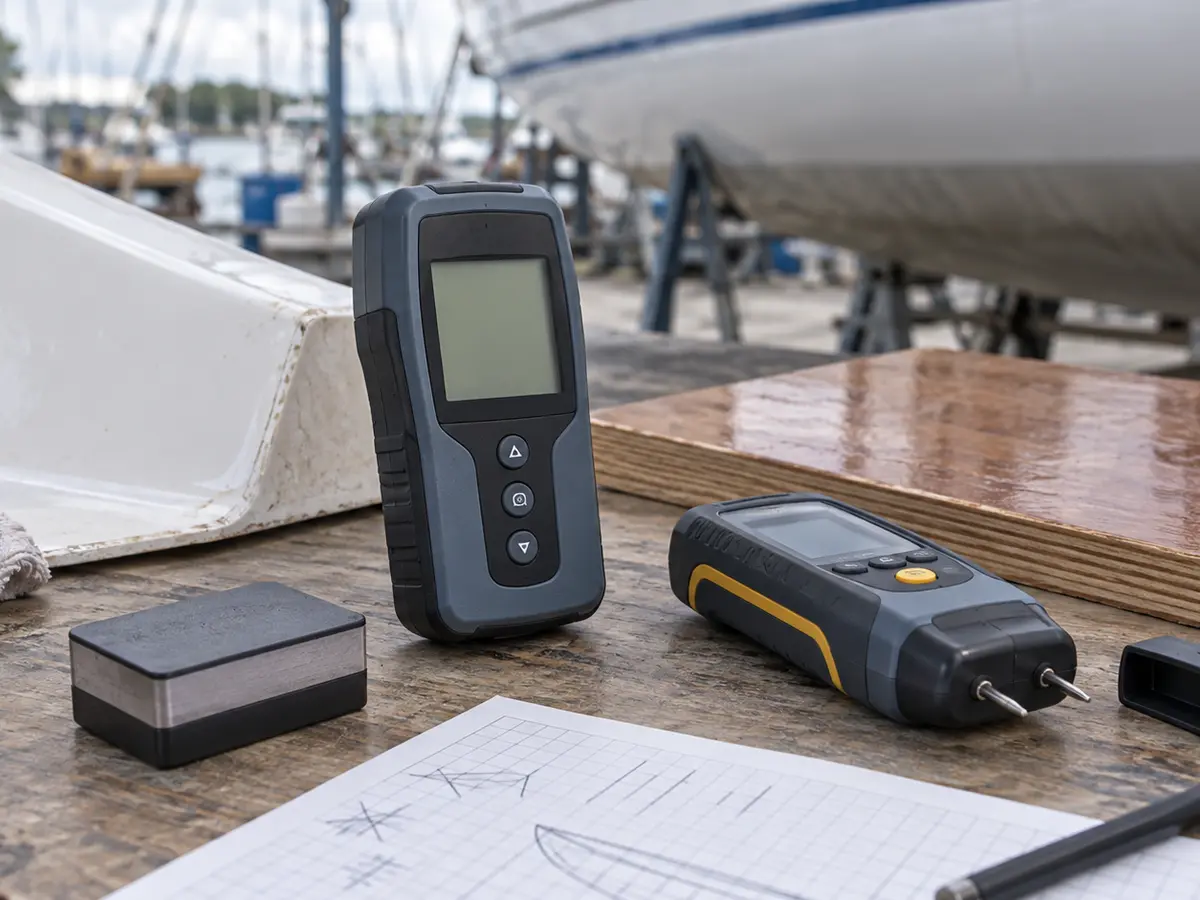
Choose the mode, control the conditions and map a repeatable pattern before escalating.
Build the reading record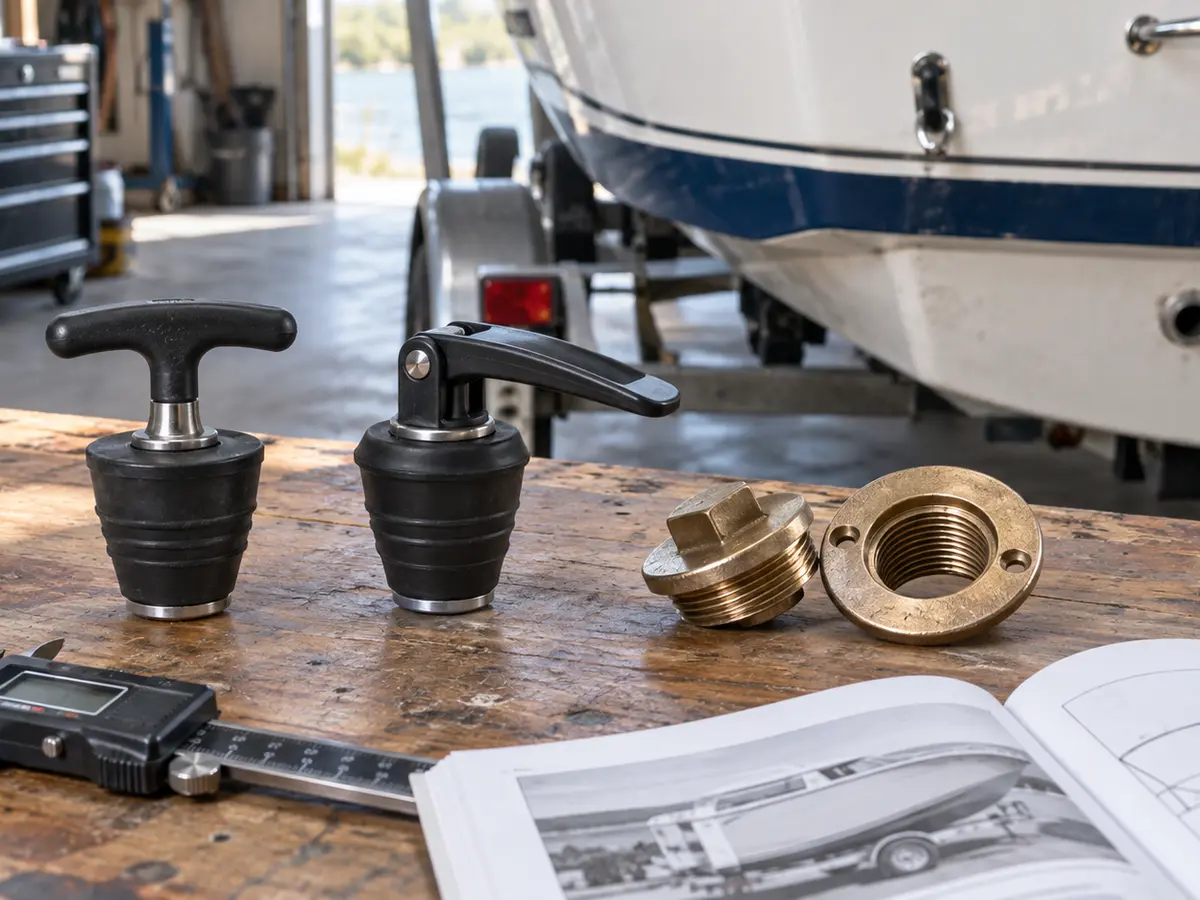
Identify the opening, size, thread, material and proof method before buying the spare.
Build the fit card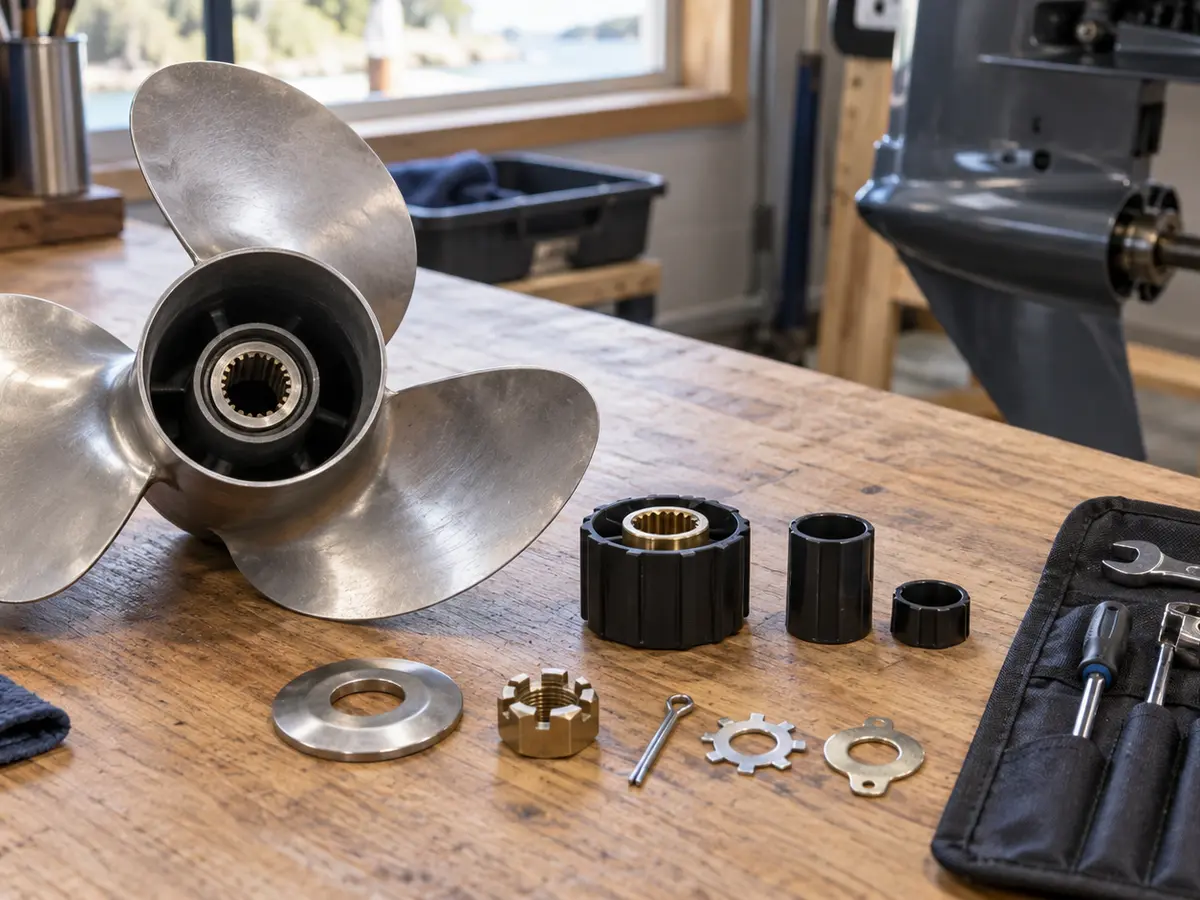
Match the propeller, hub, rotation, hardware, tools and manual procedure.
Build the compatibility card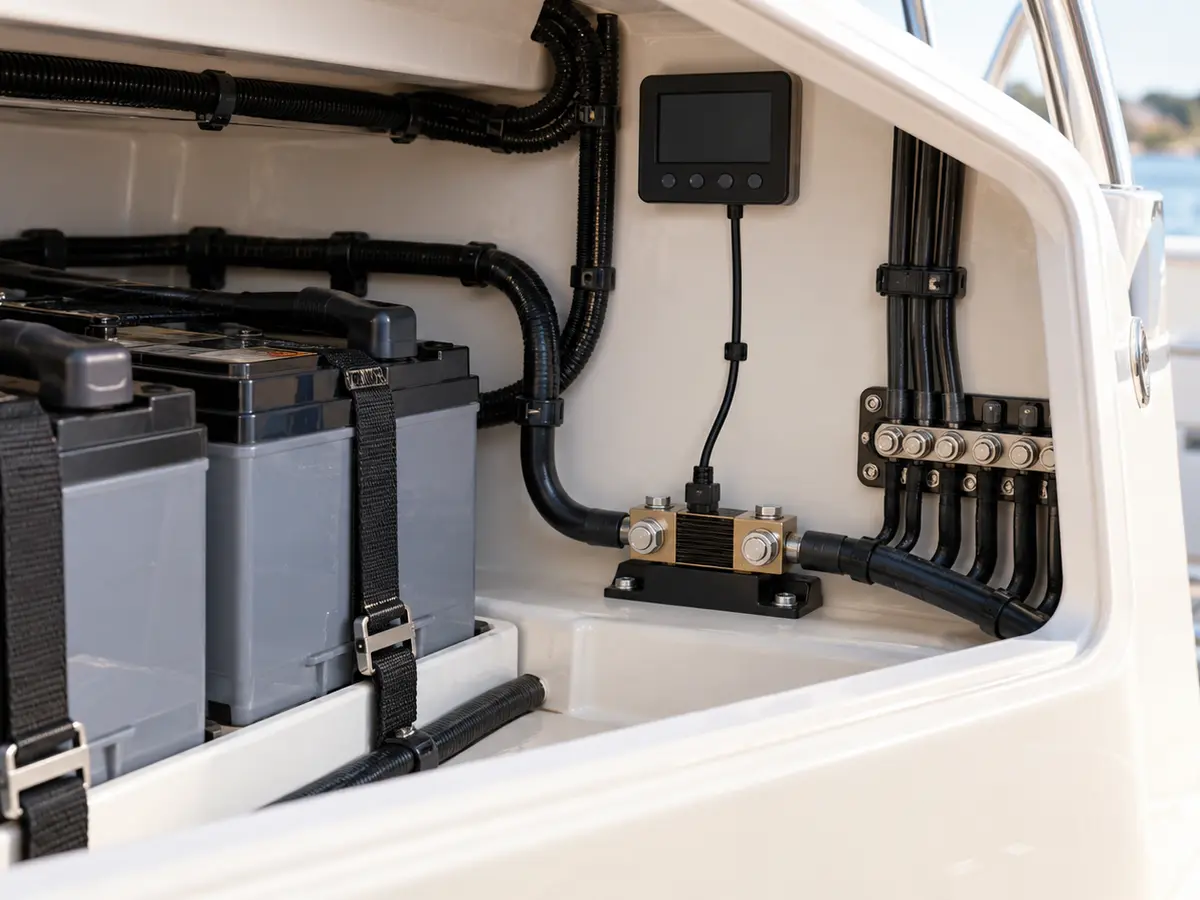
Choose the sensor by the question it can actually answer.
Choose the monitor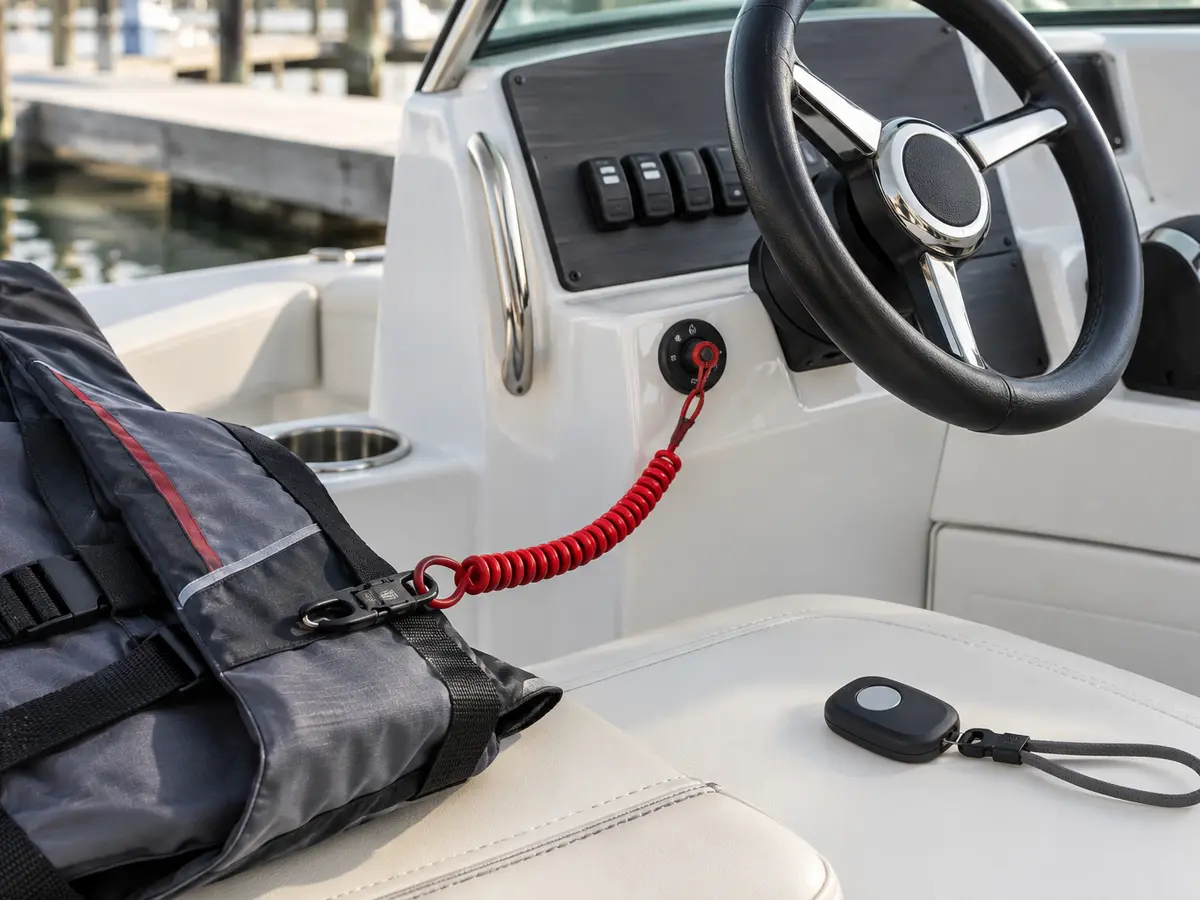
Match the installed switch, operator handoff and recovery procedure before buying.
Choose the cutoff link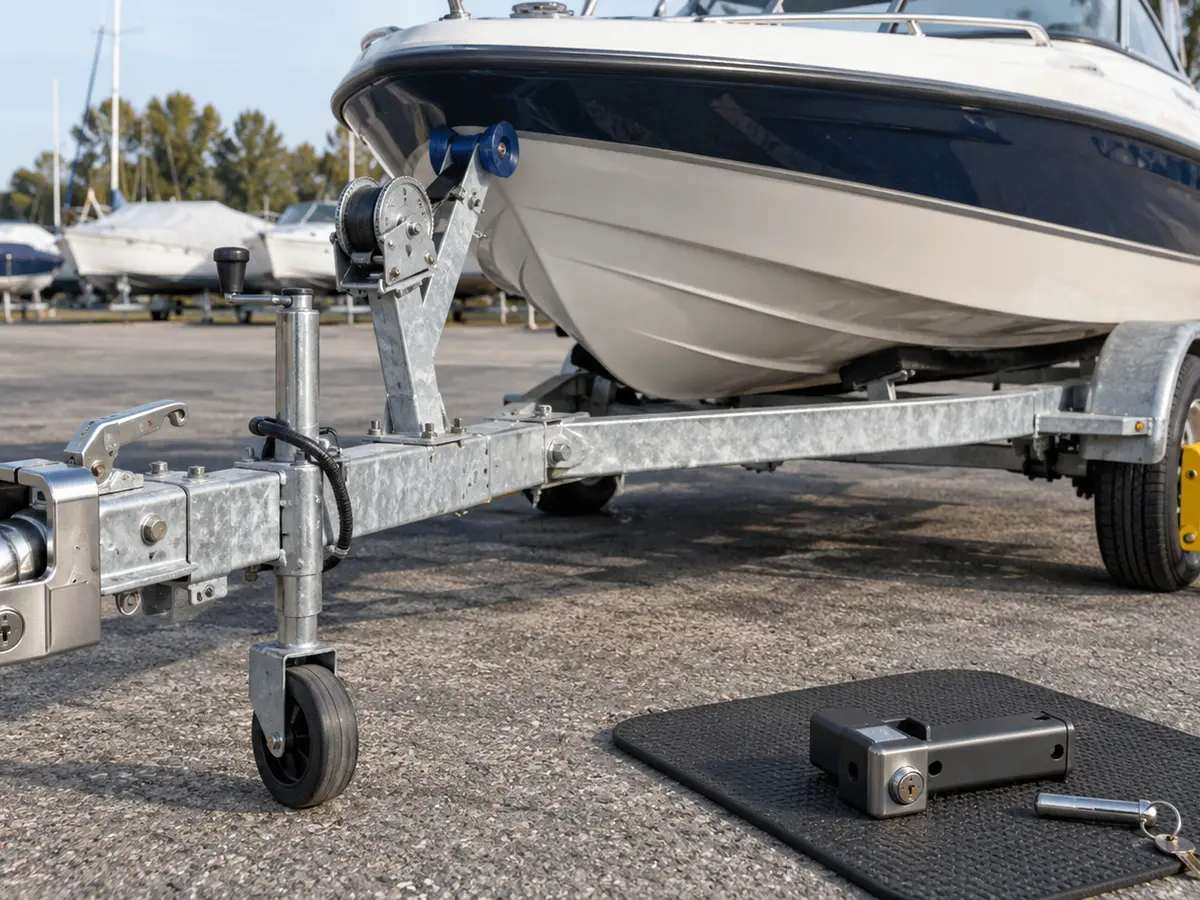
Match independent deterrence layers to the way the trailer is actually parked.
Build the security system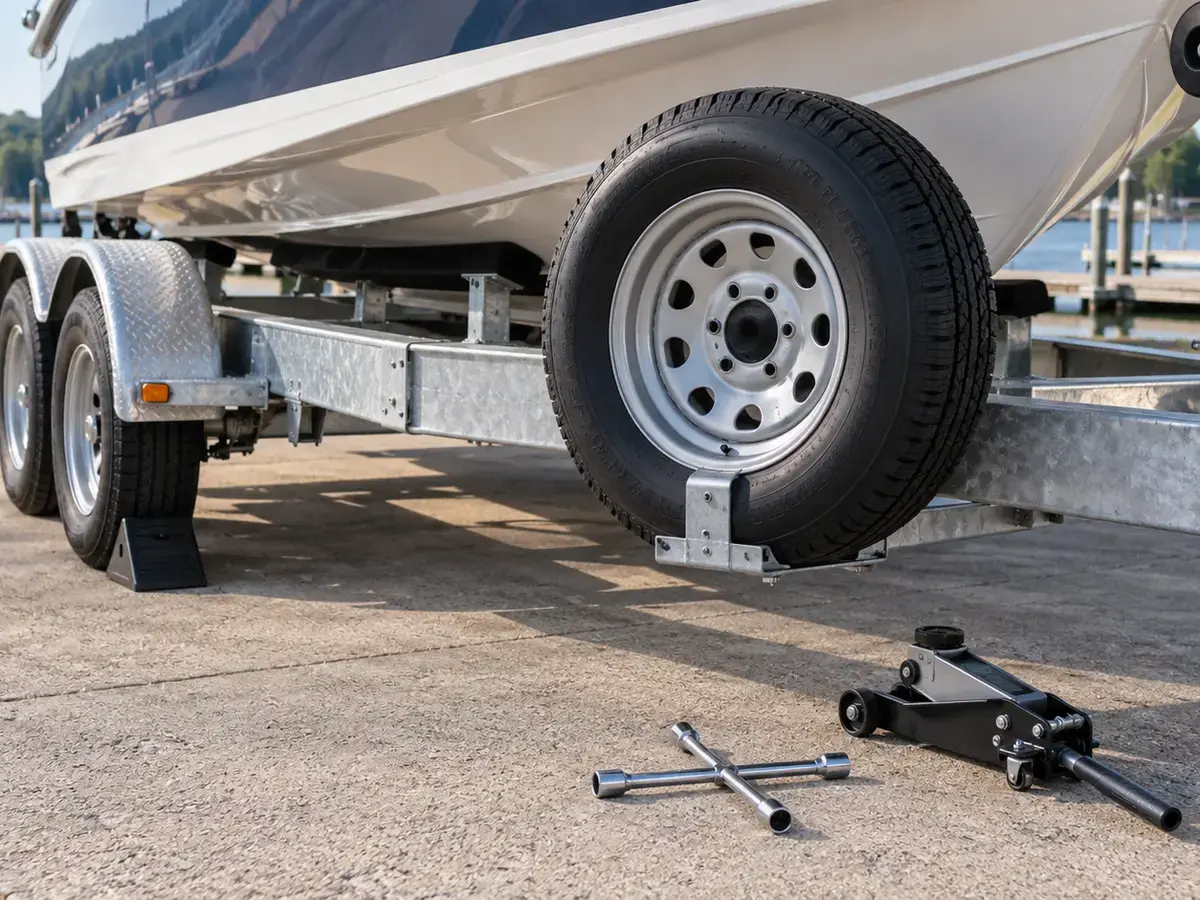
Match the tire, wheel, carrier, lift points and lug tools before the shoulder decides for you.
Build the complete spare system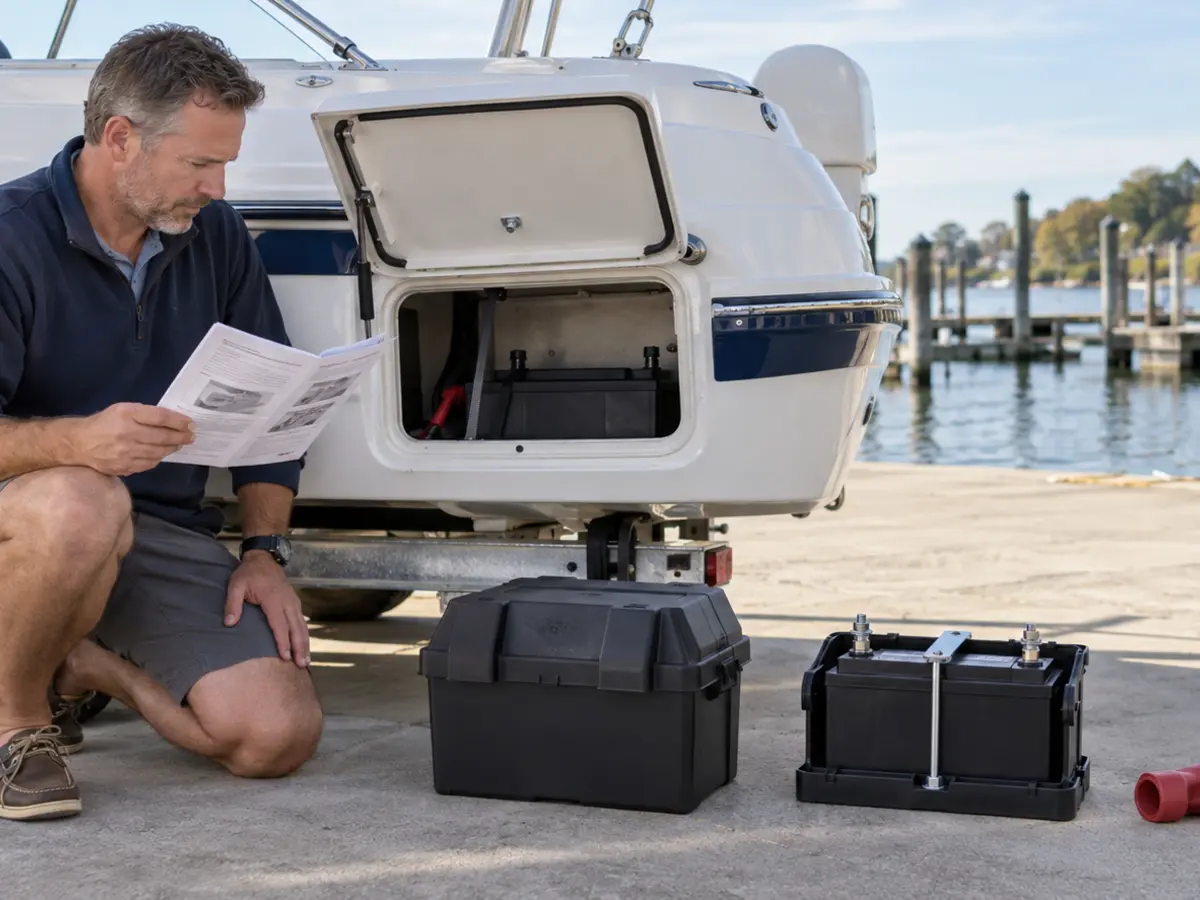
Choose a box, tray and hold-down by the actual battery, structure, terminal protection and ventilation.
Compare securement systems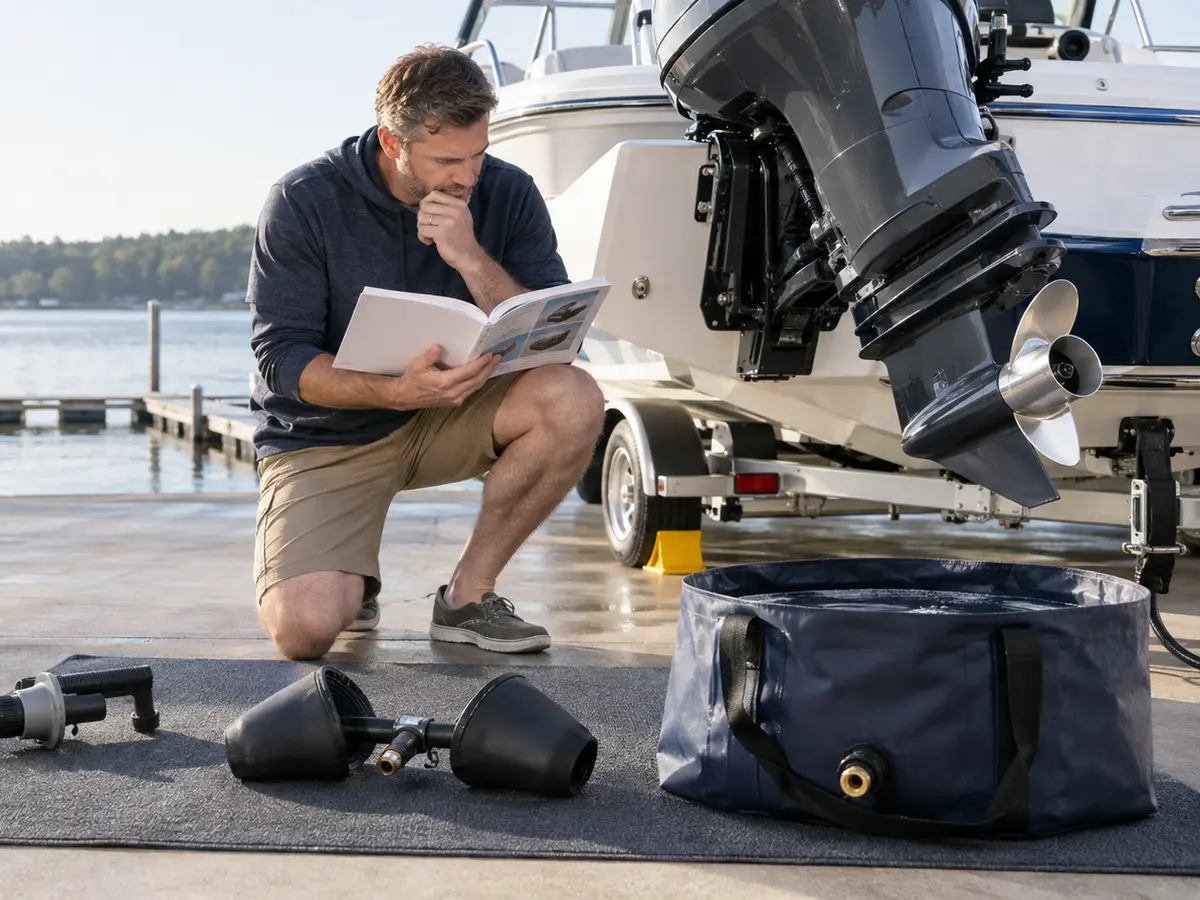
Choose a flush port, motor muffs or tank by the exact manual, inlet layout and engine-state rule.
Compare flushing methods
Compare fixed ratchet, retractable ratchet and cam-buckle straps by fit, geometry and working-load limit.
Compare strap types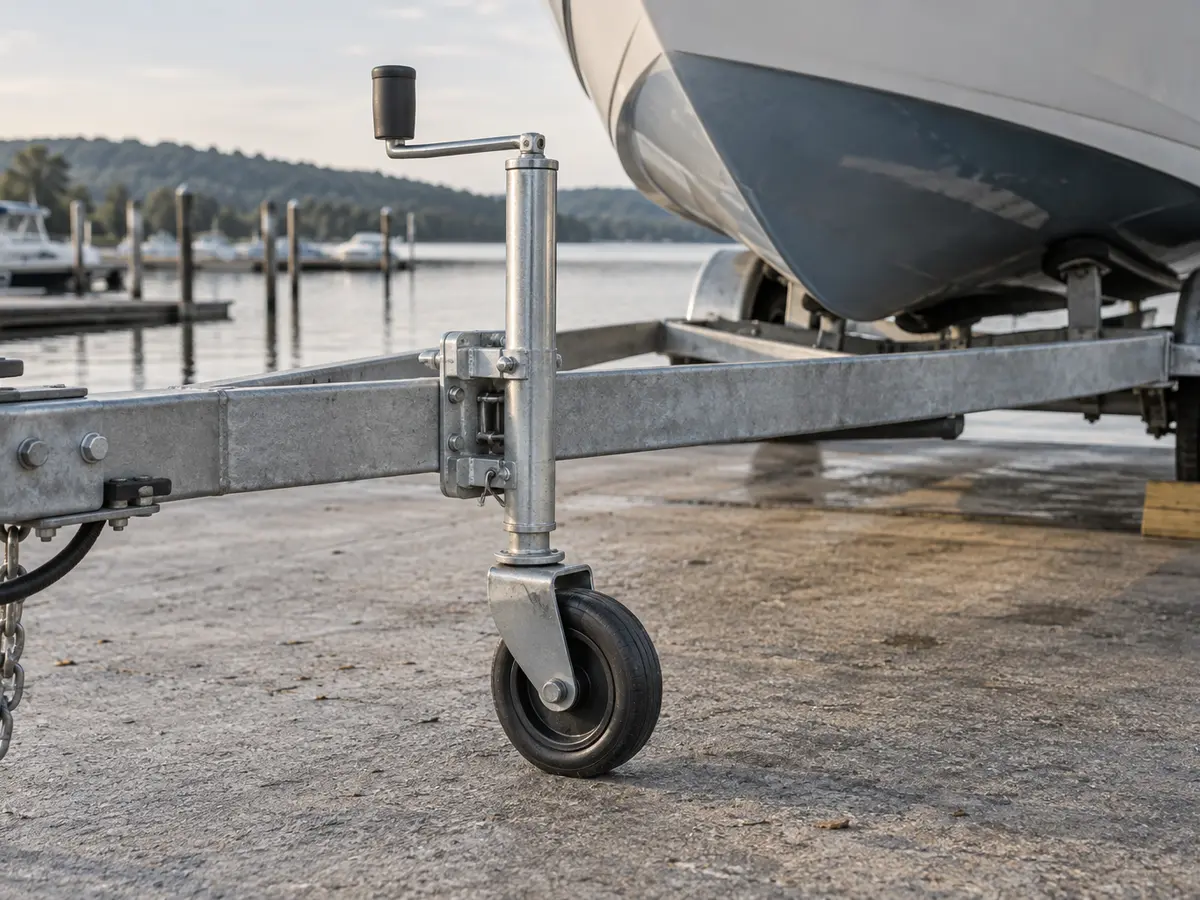
Choose single wheel, dual wheel or fixed foot by measured tongue load, travel, frame fit and surface.
Compare jack typesEngine, fuel, freshwater, sanitation, batteries, hull, trailer, cover and the spring notes owners forget to leave themselves.
Open the checklistA systematic pre-departure inspection for tires, bearings, lights, brakes, coupler, chains, winch and transom restraints.
Check the trailerBuild an annual maintenance rhythm around the actual systems aboard instead of waiting for the next failure.
Go to maintenanceSome retail links may earn a commission. We still choose the job and product category first, avoid fake urgency and keep manufacturer instructions above affiliate conversion.