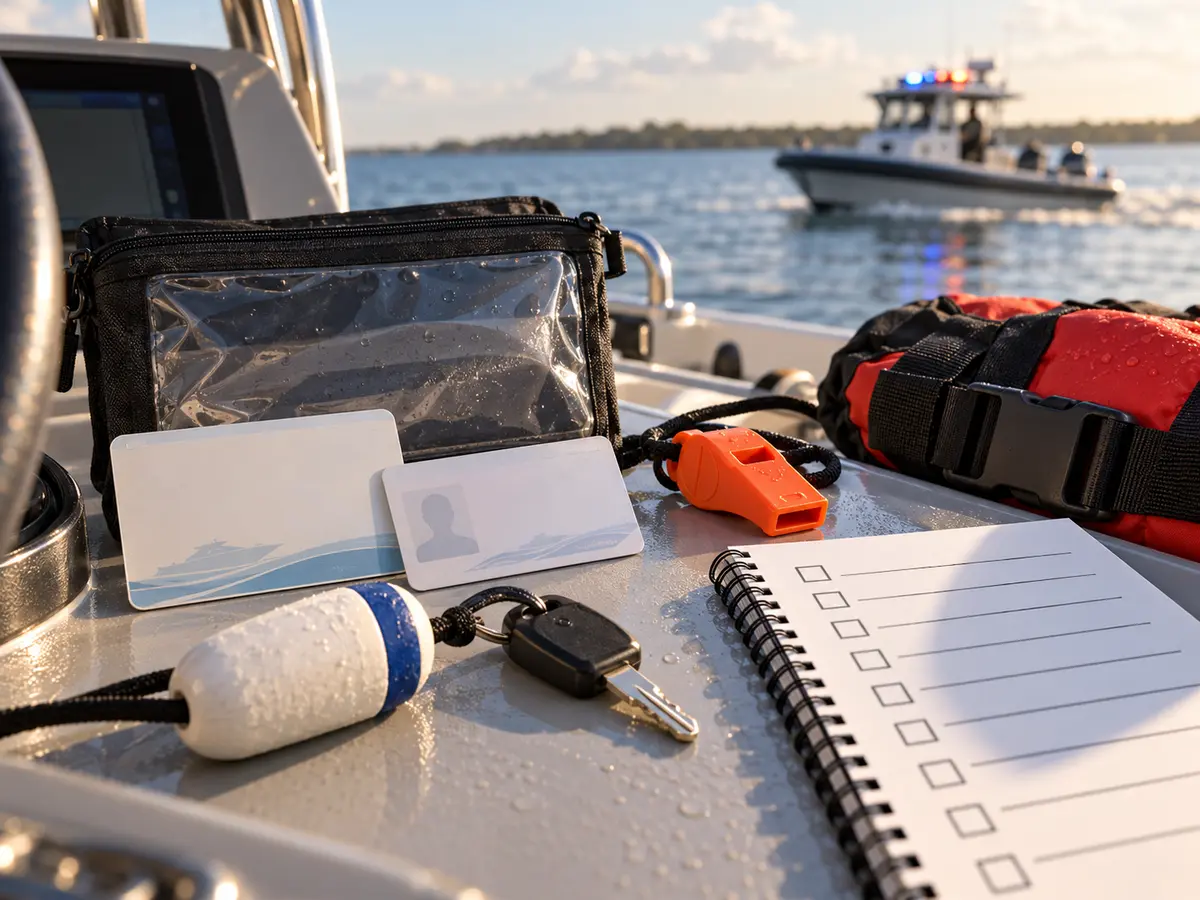
Seamanship · conceptual image
Make a Boarding Boring
Control the boat, name one operator and retrieve requested documents or equipment without a cockpit scramble.
Practice the calm protocol
Destination ideas, boat ownership advice, family itineraries, maintenance guidance and gear that earns its place aboard.
Polished mahogany, chrome hardware and the enduring appeal of a boat built around experience.
Every story below now opens a complete, matching article.
Control the boat, name one operator and retrieve requested documents or equipment without a cockpit scramble.
Practice the calm protocol
Verify the current certificate, original proof and boat-specific handoff before the keys move.
Build the operator roster
Plan essential communication with a passenger who has hearing loss, without relying on shouting or a phone.
Build the accessible brief
Arrange access, locate equipment and close a documented correction loop.
Prepare the appointment
Spot the paddler, remove speed early, choose one obvious wide path and look aft to see what the wake actually did.
Use the five-step slow pass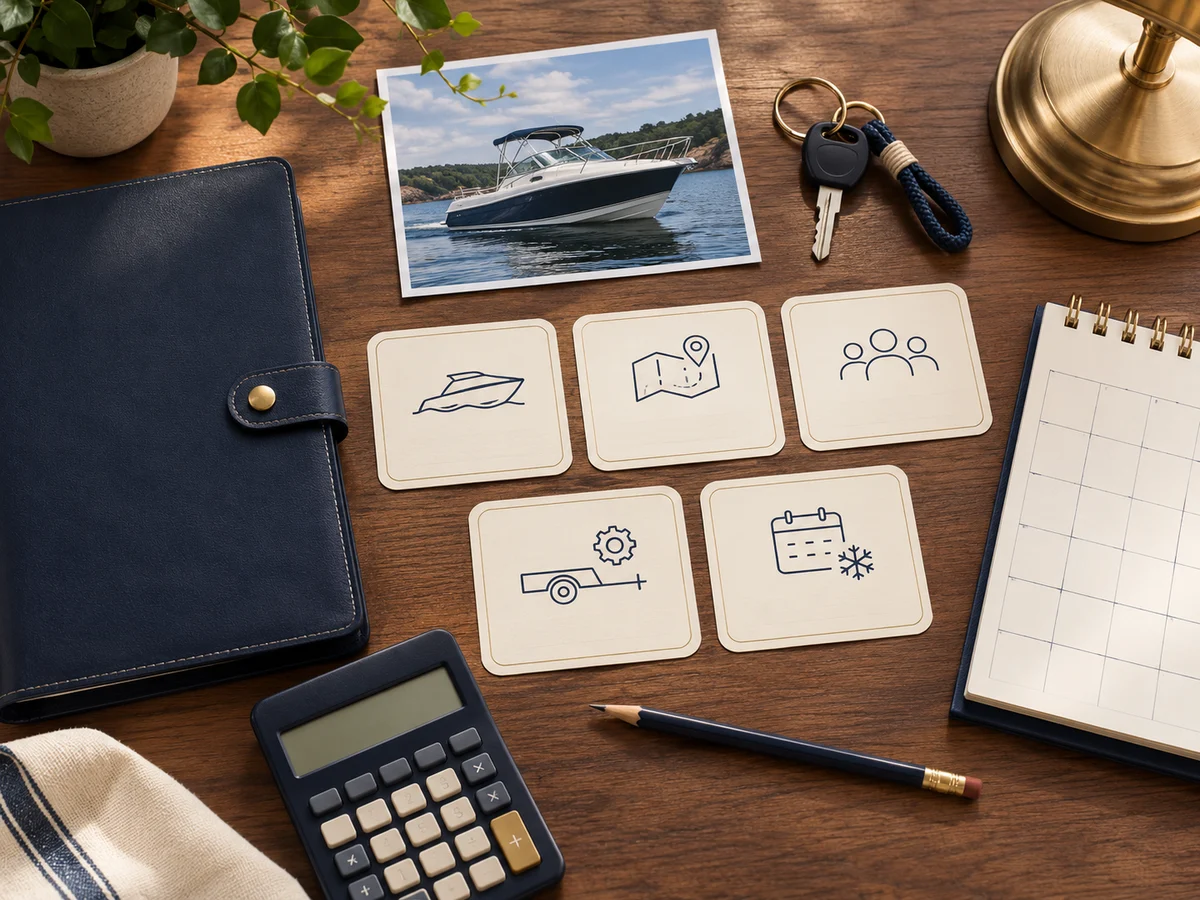
Normalize value, territory, lay-up, operators, trailer and evidence before comparing a renewal or quote.
Use the 12-question audit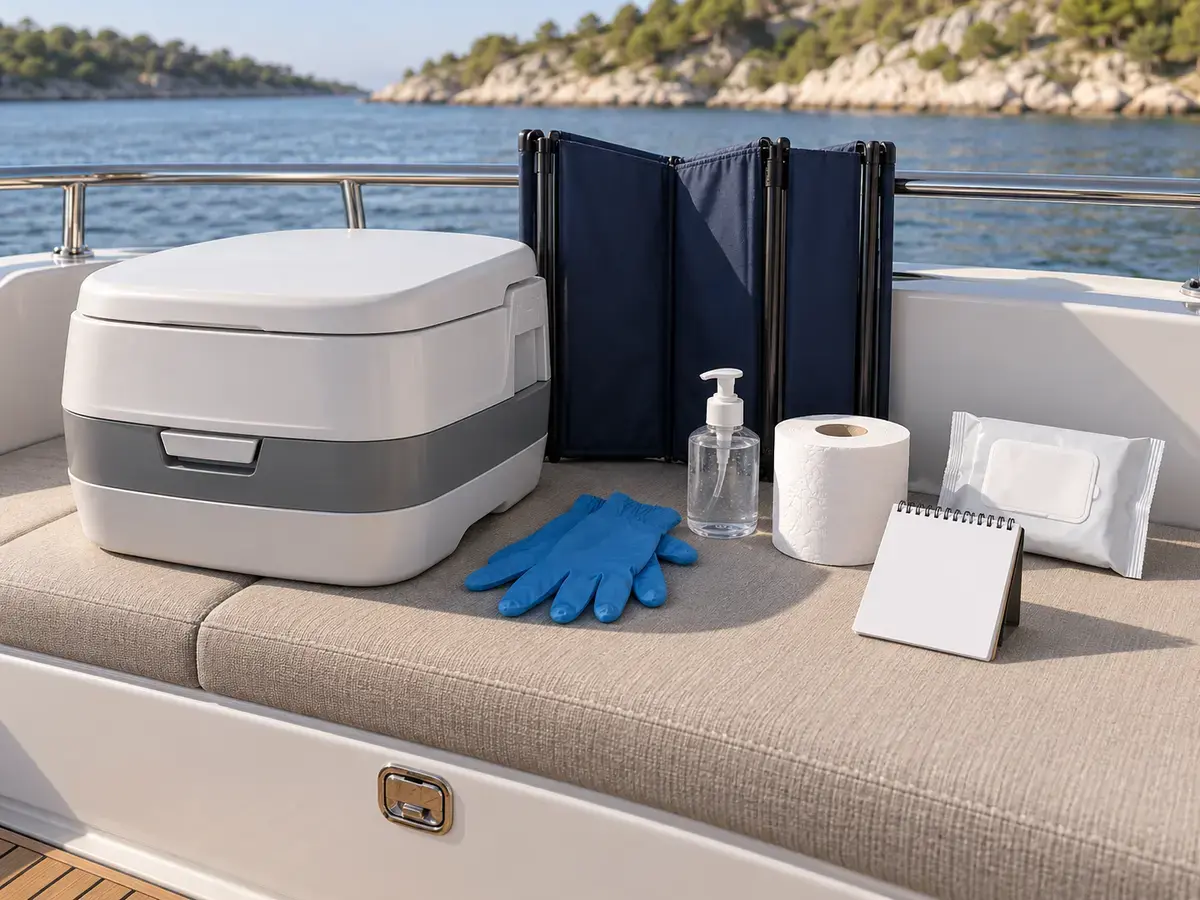
Choose a short loop, verified shore stop, clean portable setup or a different boat.
Use the four-plan decision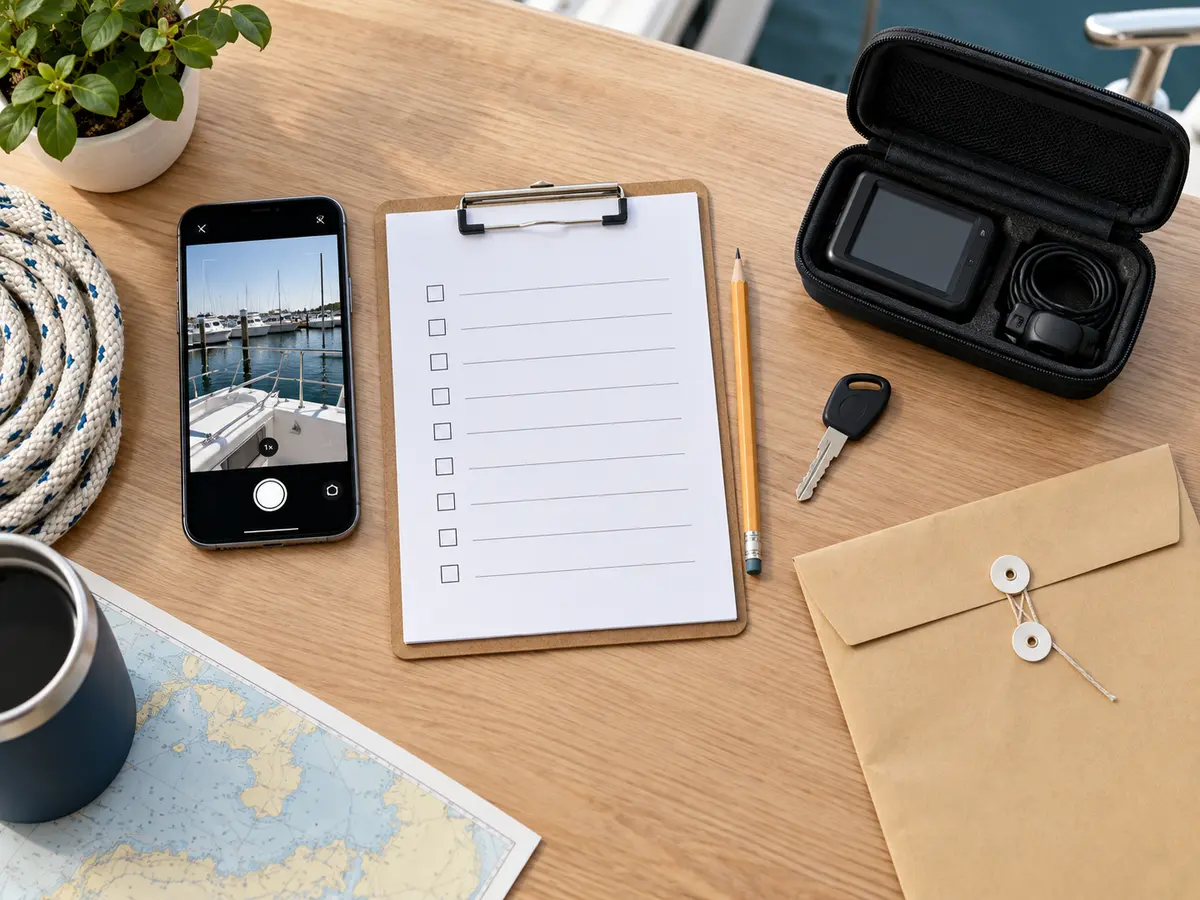
Use a 20-minute identity, condition, systems, gear and trailer walkthrough.
Run the photo checklist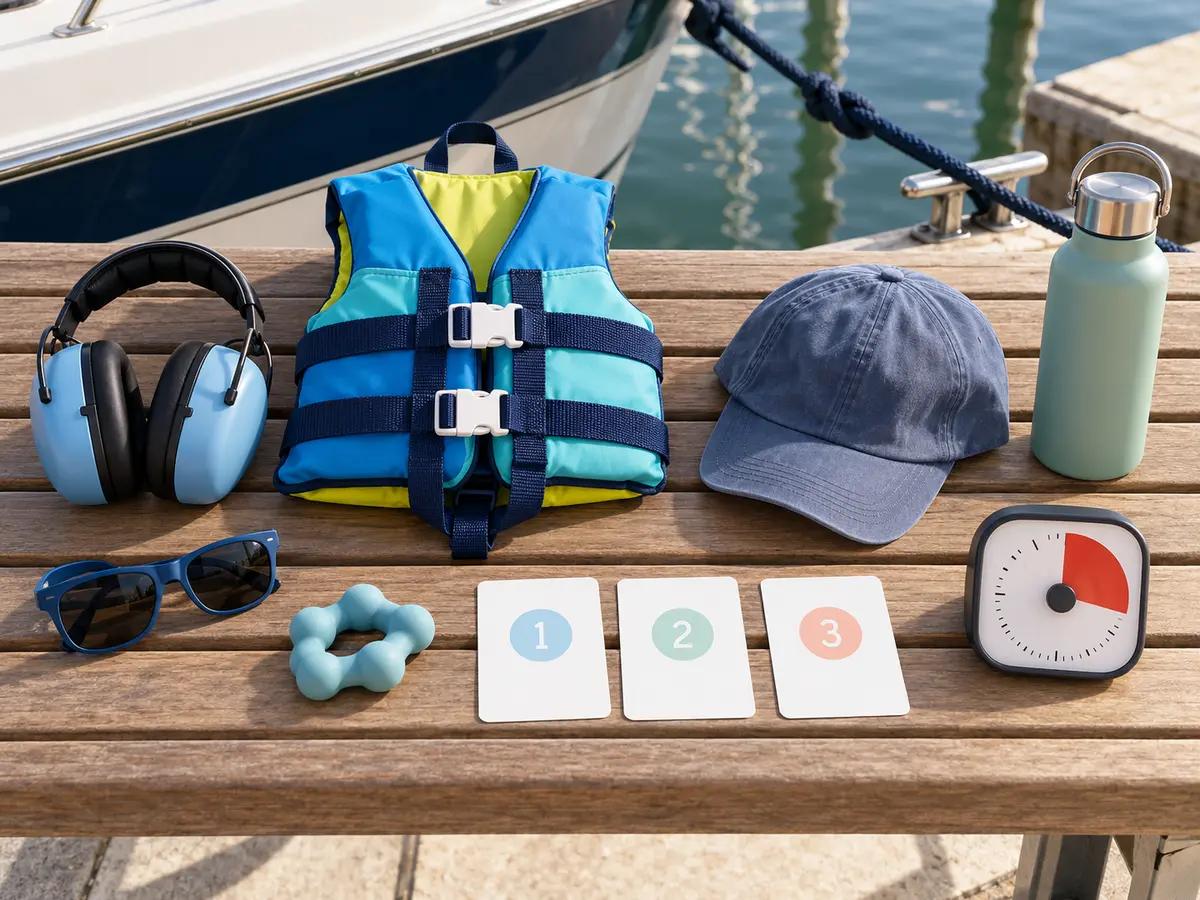
Preview the day, prove the cue system and count an early safe return as success.
Build the cue matrix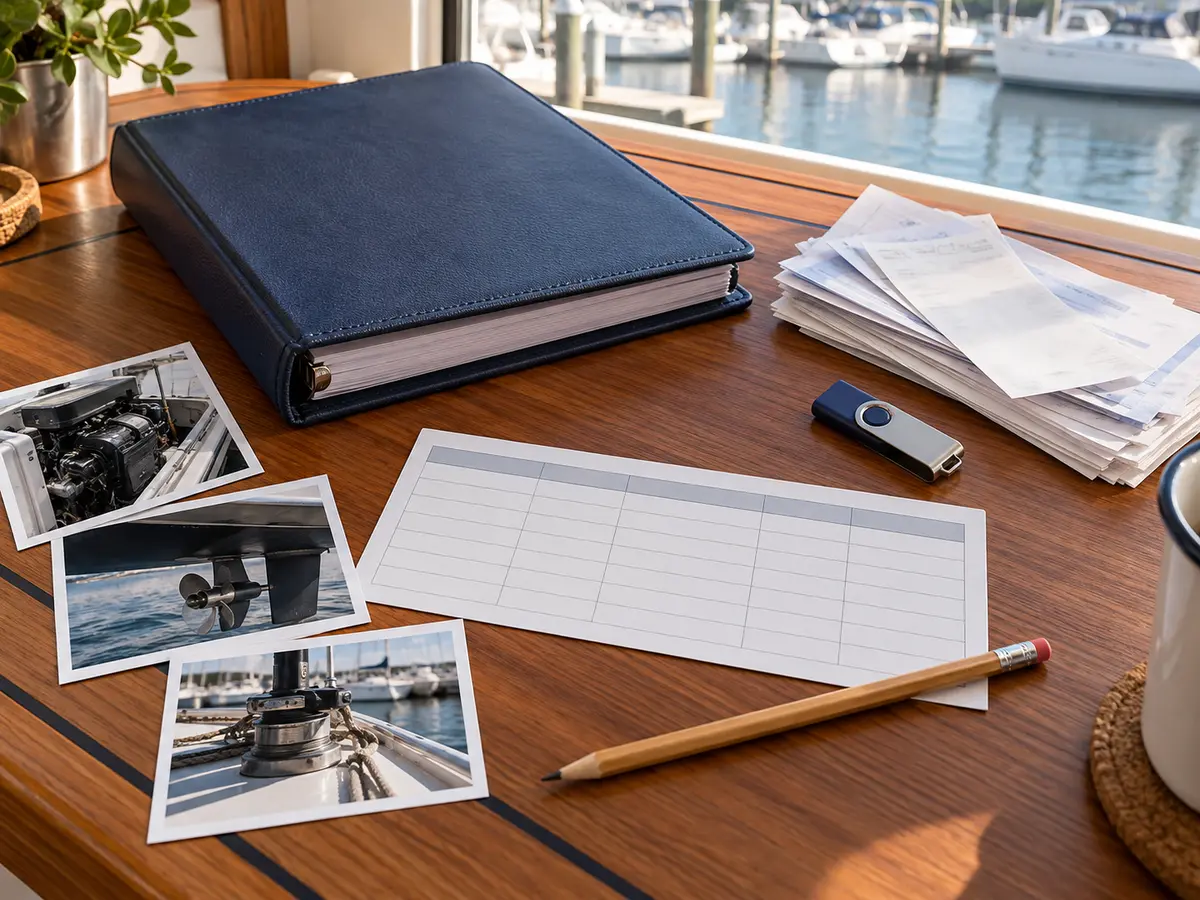
Tie identity, manual, work, materials, performer and proof into a record another person can audit.
Build the evidence file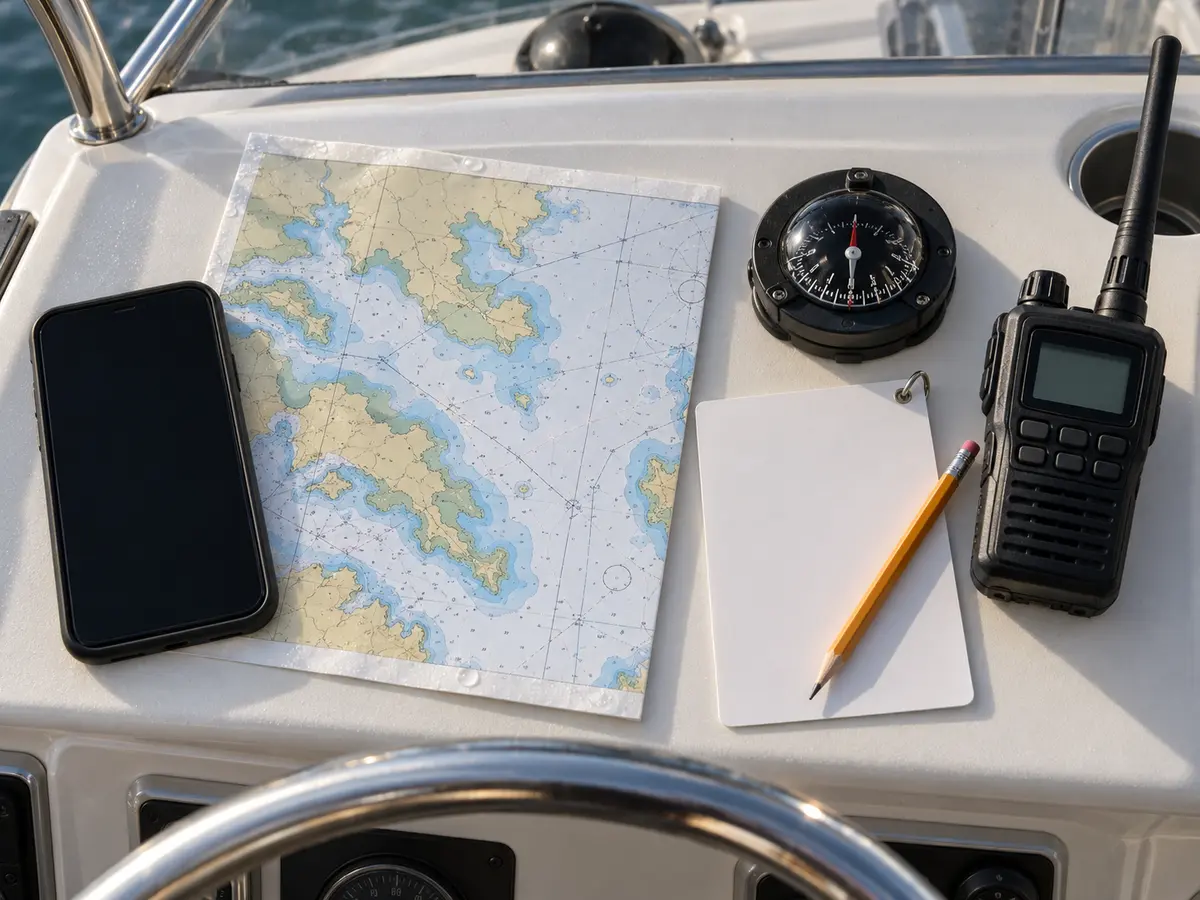
Slow down, keep a lookout and switch to position evidence already proved ashore.
Run the failure drill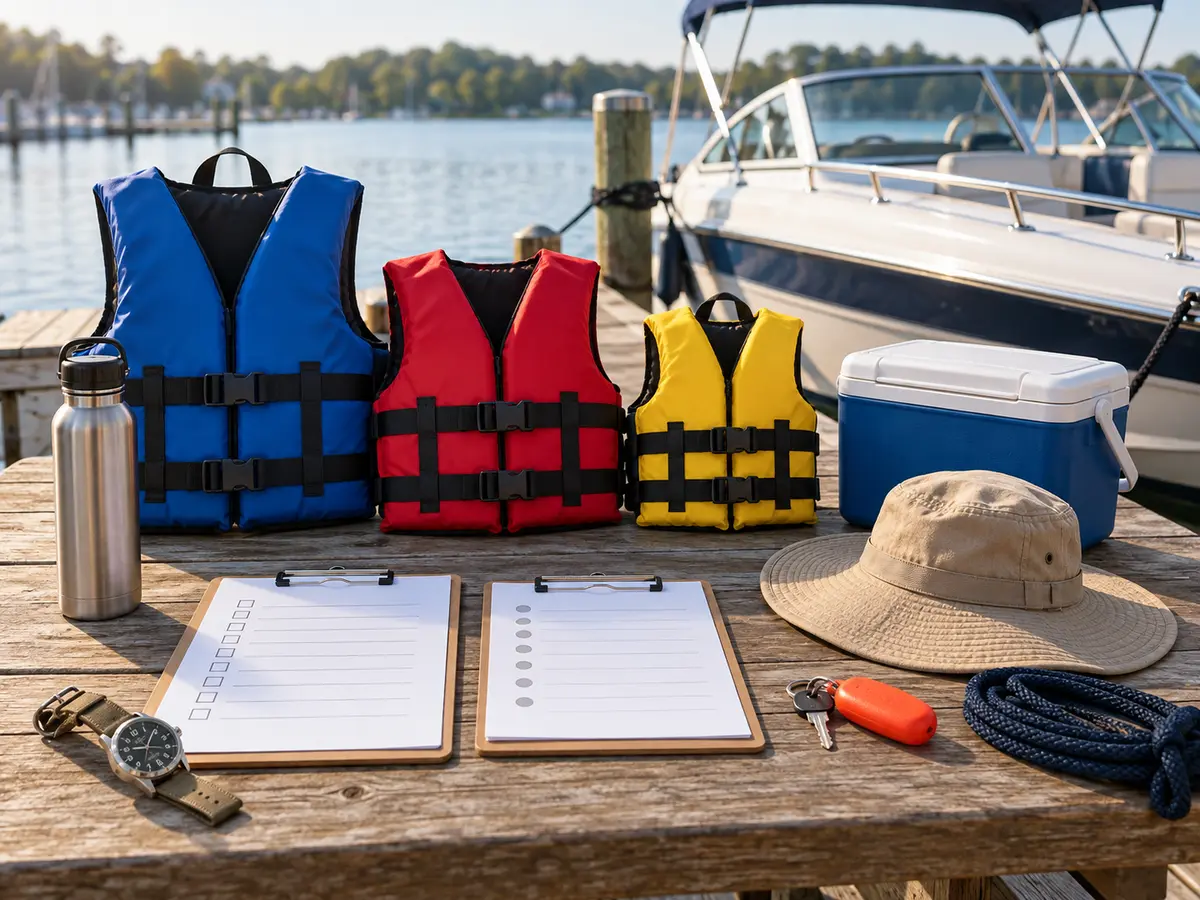
Prove the transfer, seat, temperature and stop word before the family leaves the dock.
Build the five-gate card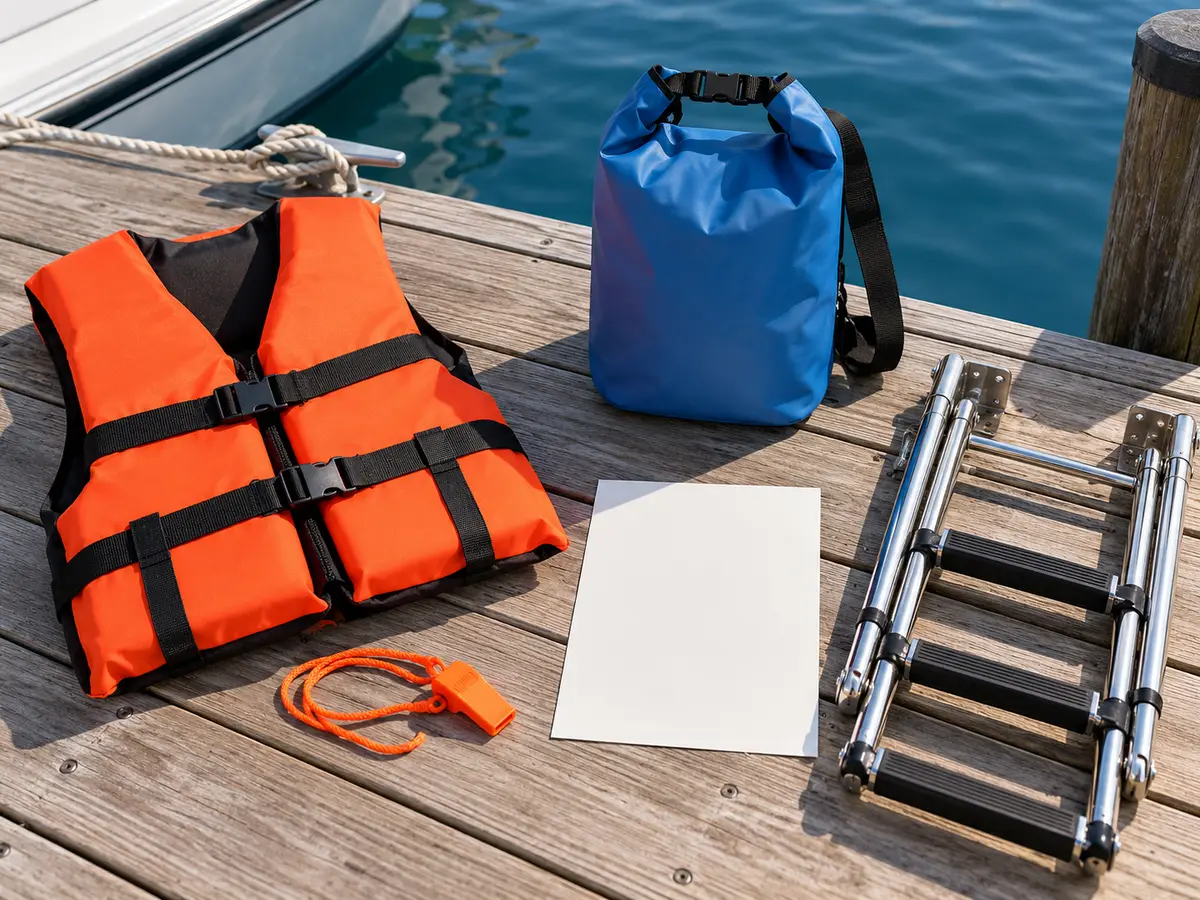
Fit inherent flotation, choose the seat and prove the crew can reboard a passenger.
Build the passenger plan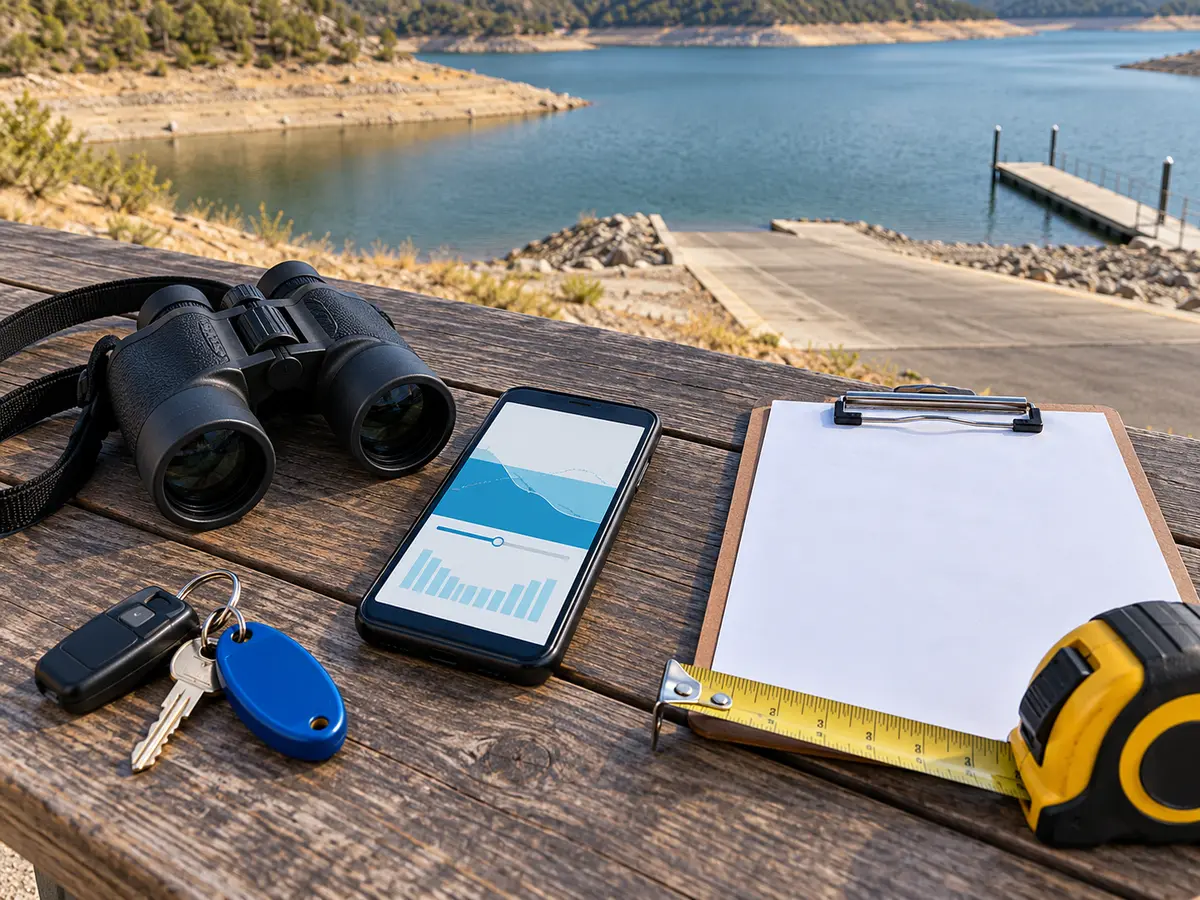
Join official level data to facility status, ramp geometry and a recovery margin.
Build the launch gate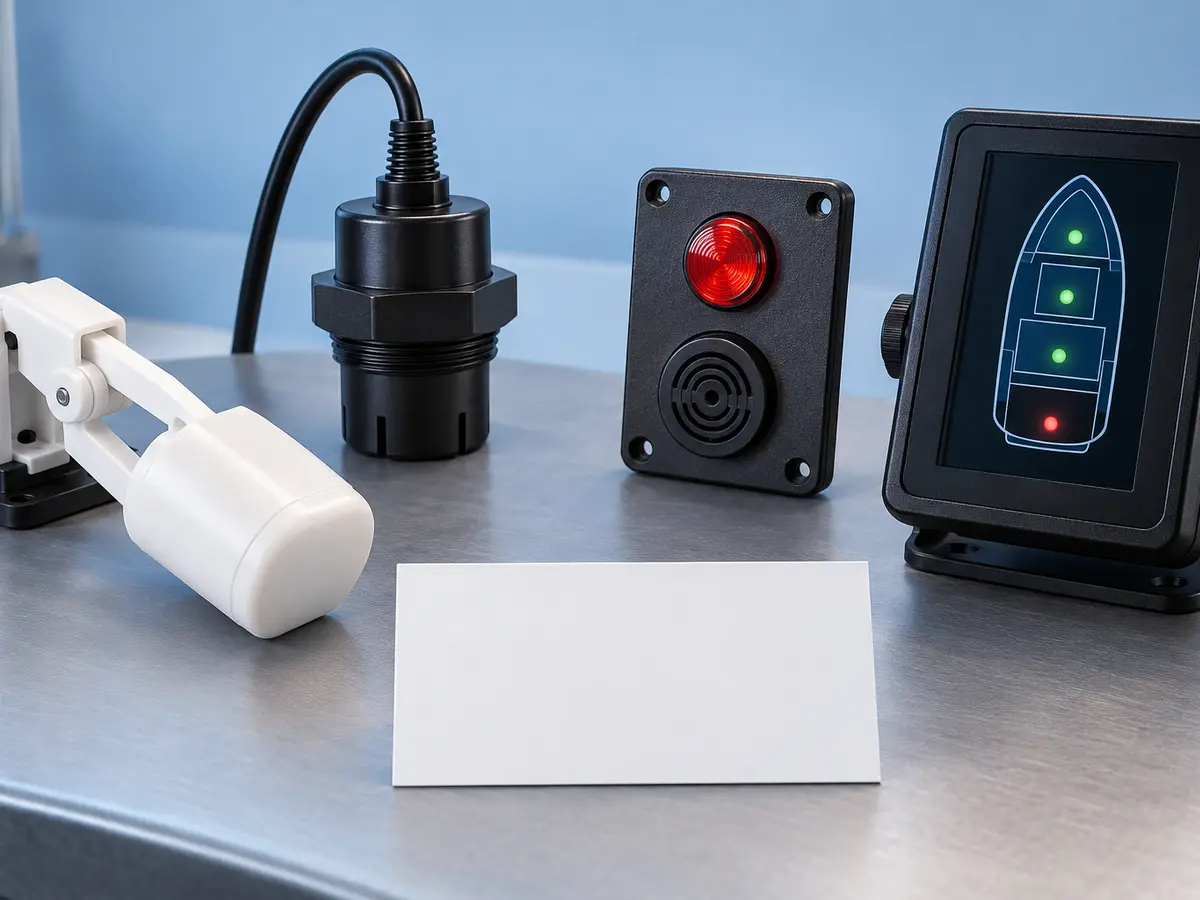
Choose the sensor, alert, power and fault behavior before wiring a high-water warning.
Map the alarm system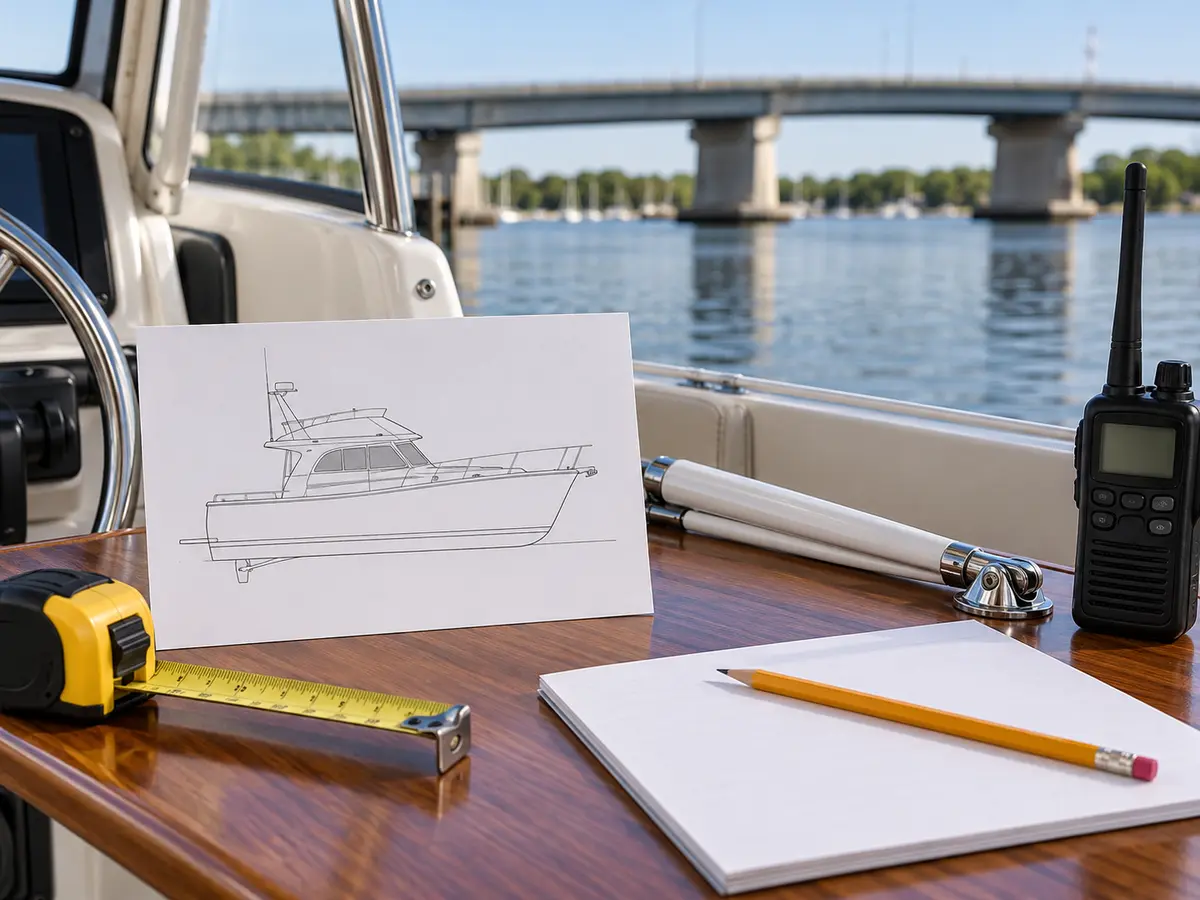
Build a five-number bridge card and preserve a safe hold-and-turn point before the structure.
Use the bridge worksheet
Check reports, access instructions and the contact gate before unloading the boat.
Use the decision record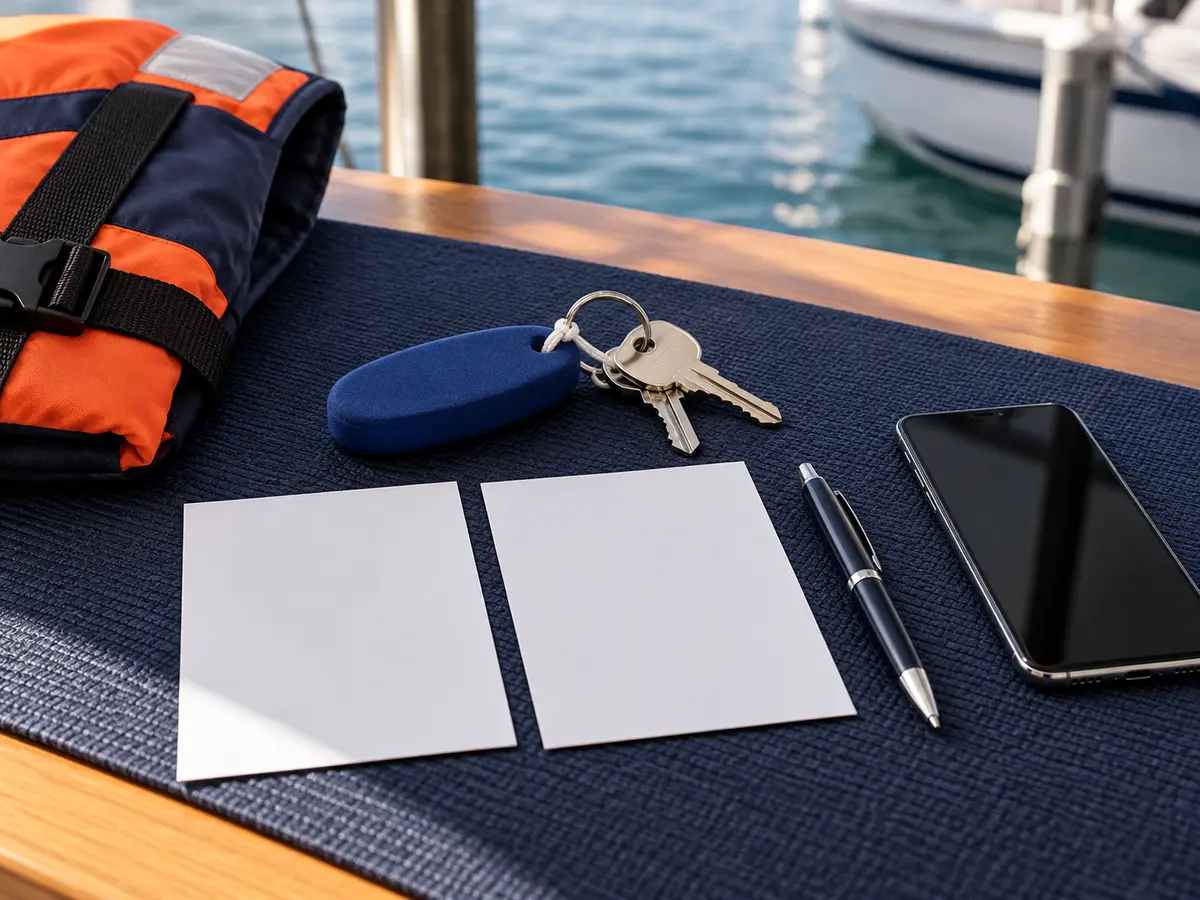
Accept a rental boat only after condition, operating instructions and return terms are clear.
Use the acceptance record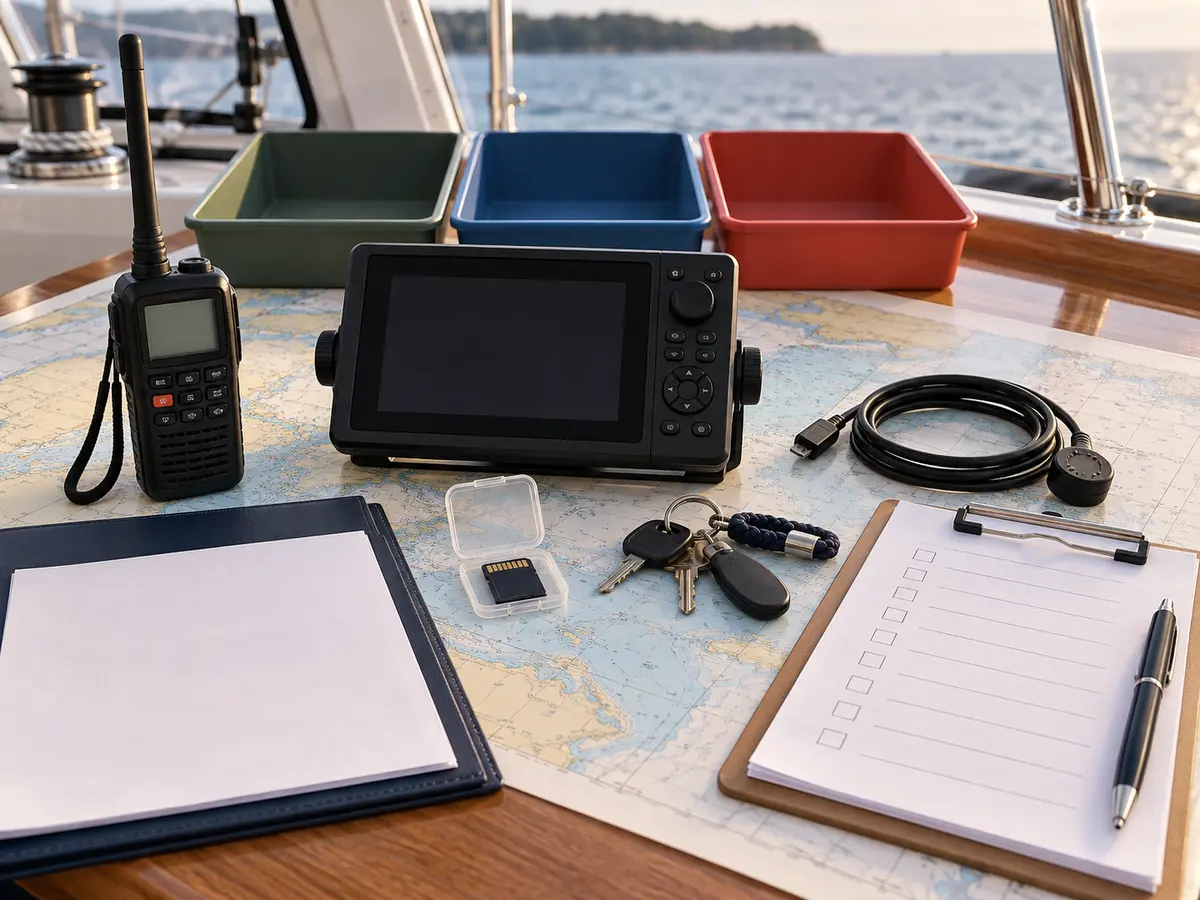
Separate vessel safety, transferable records and personal access before resetting any electronics.
Use the handoff matrix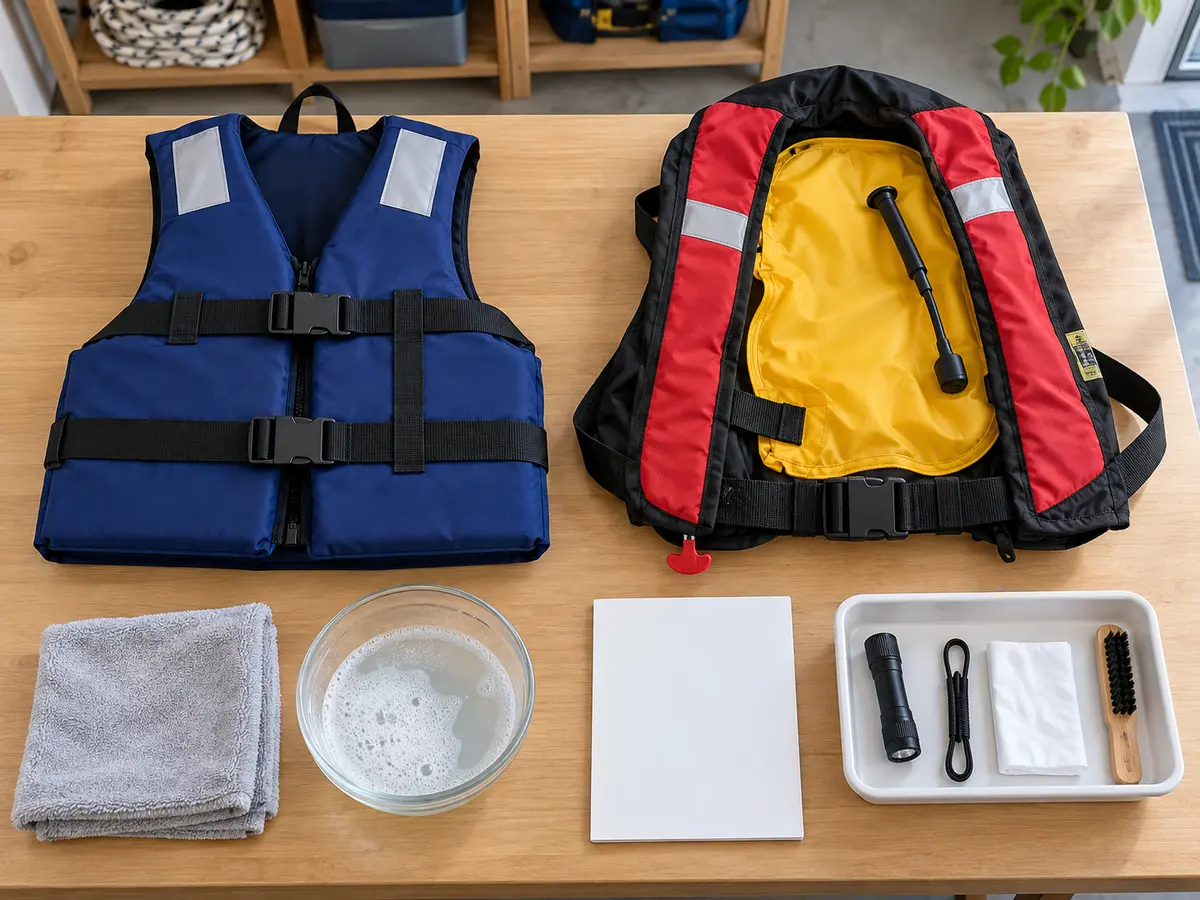
Store foam without compression and make every inflatable follow its exact manual.
Use the seven gates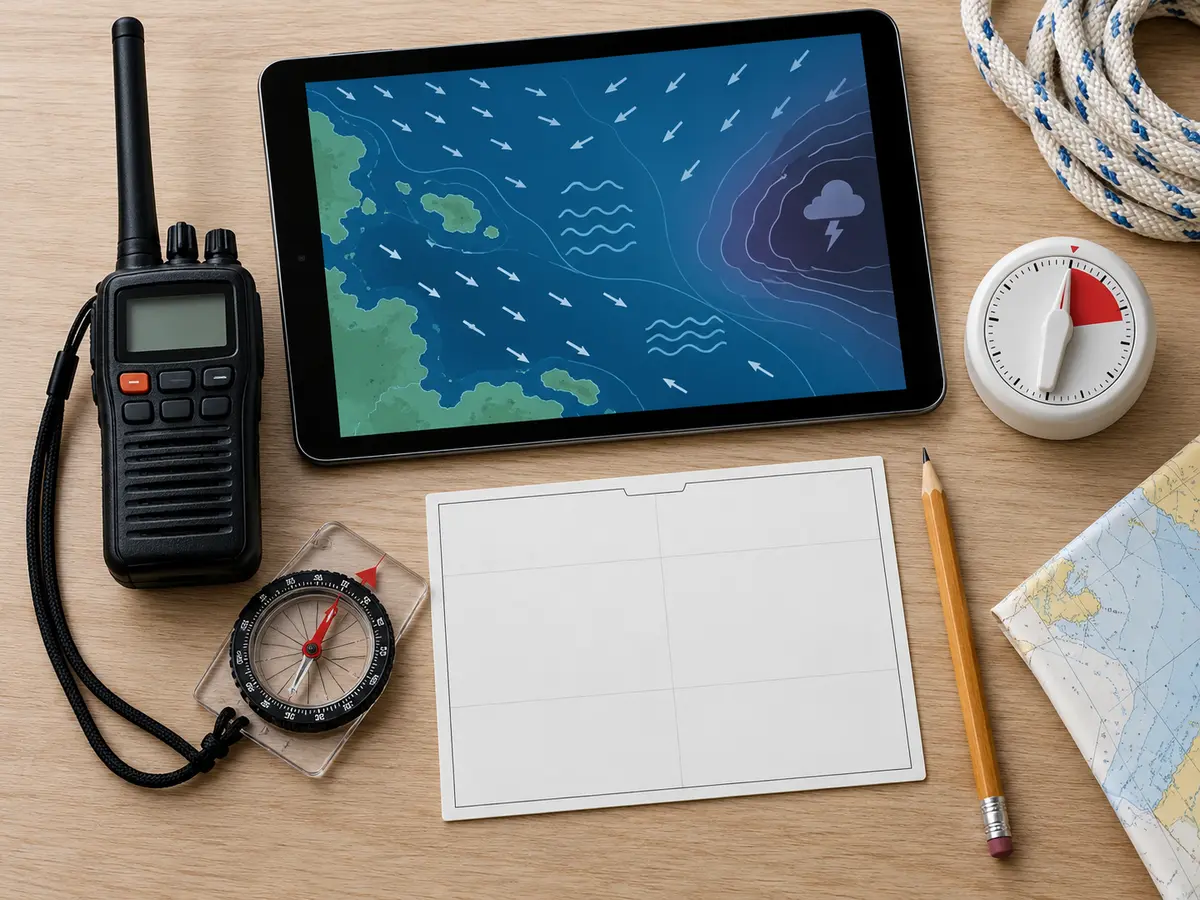
Twenty minutes ashore teaches source, time, wind, waves, thunder and the no-go call.
Run the forecast drill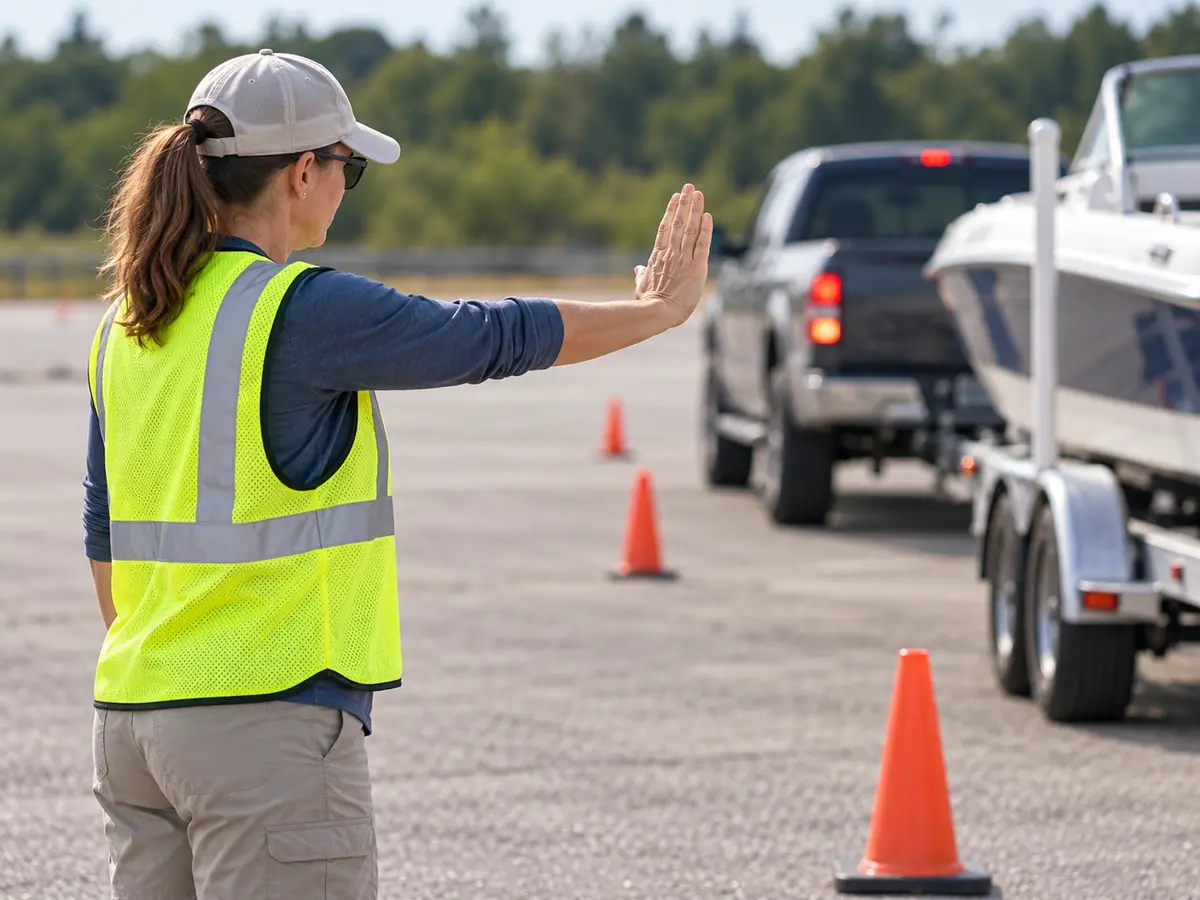
Practice in an empty lot so the ramp never becomes the classroom.
Run the 20-minute drill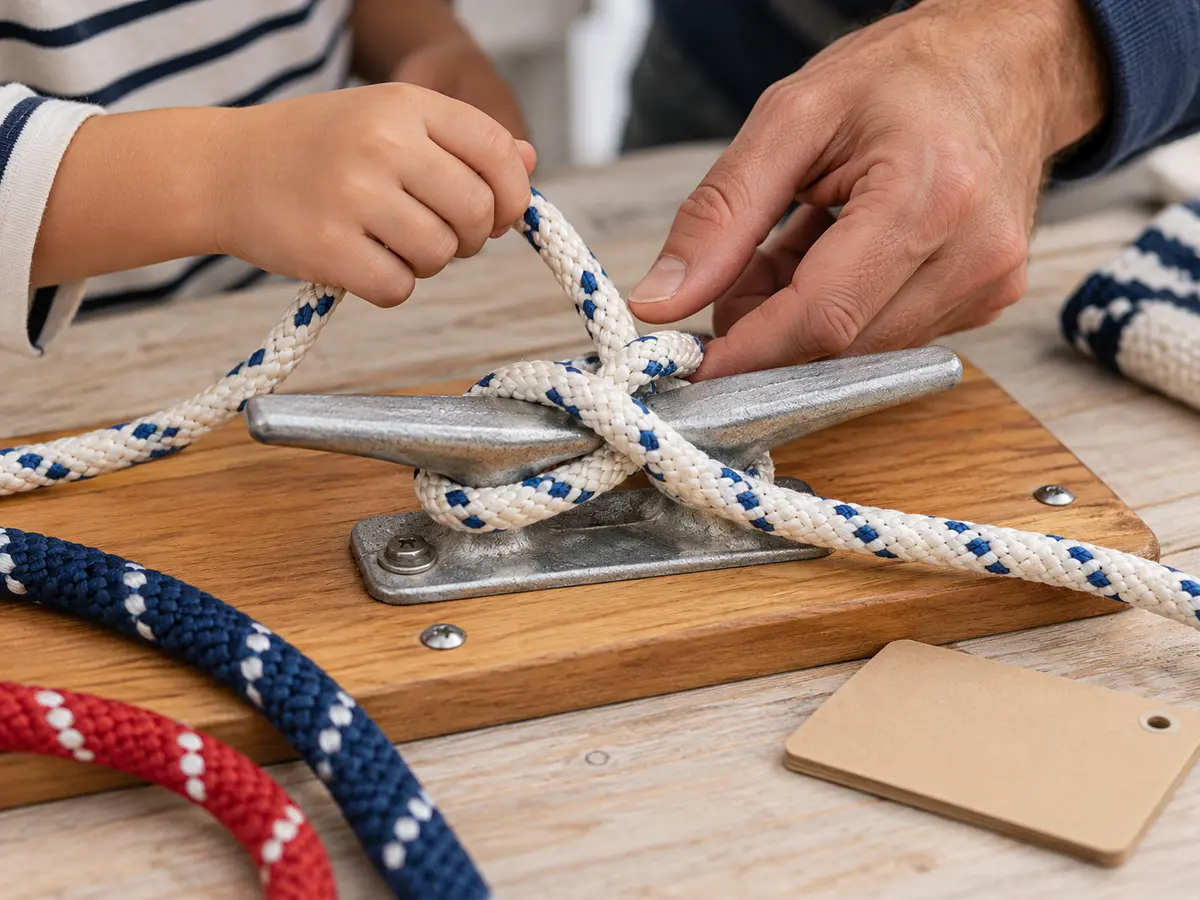
Teach job, form and inspection without pretending practice equals a load-ready knot.
Run the family drill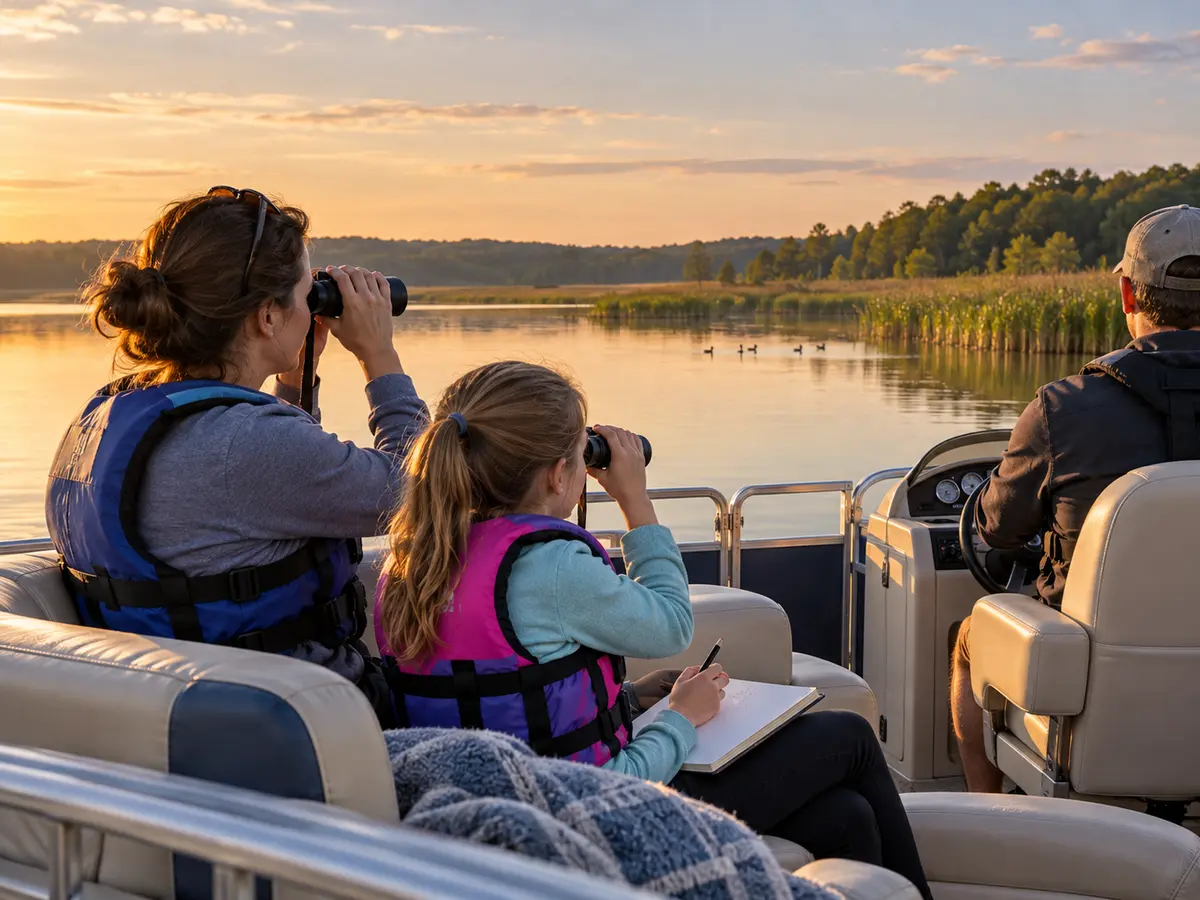
Use a no-pressure protocol: slow, stay predictable, never feed and leave at the first disturbance cue.
Use the viewing protocol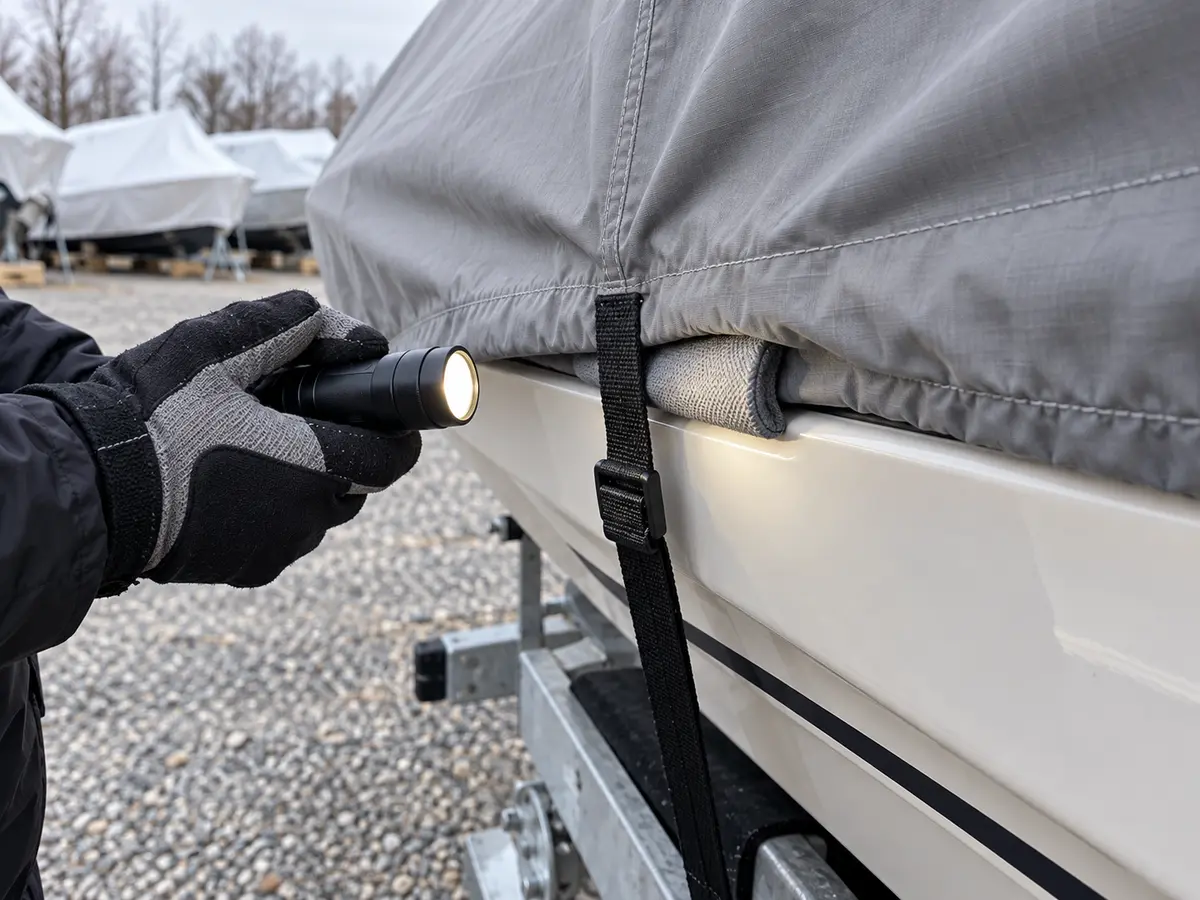
Use the seven-zone perimeter card after snow, ice or wind—and know when to call the yard.
Run the storm check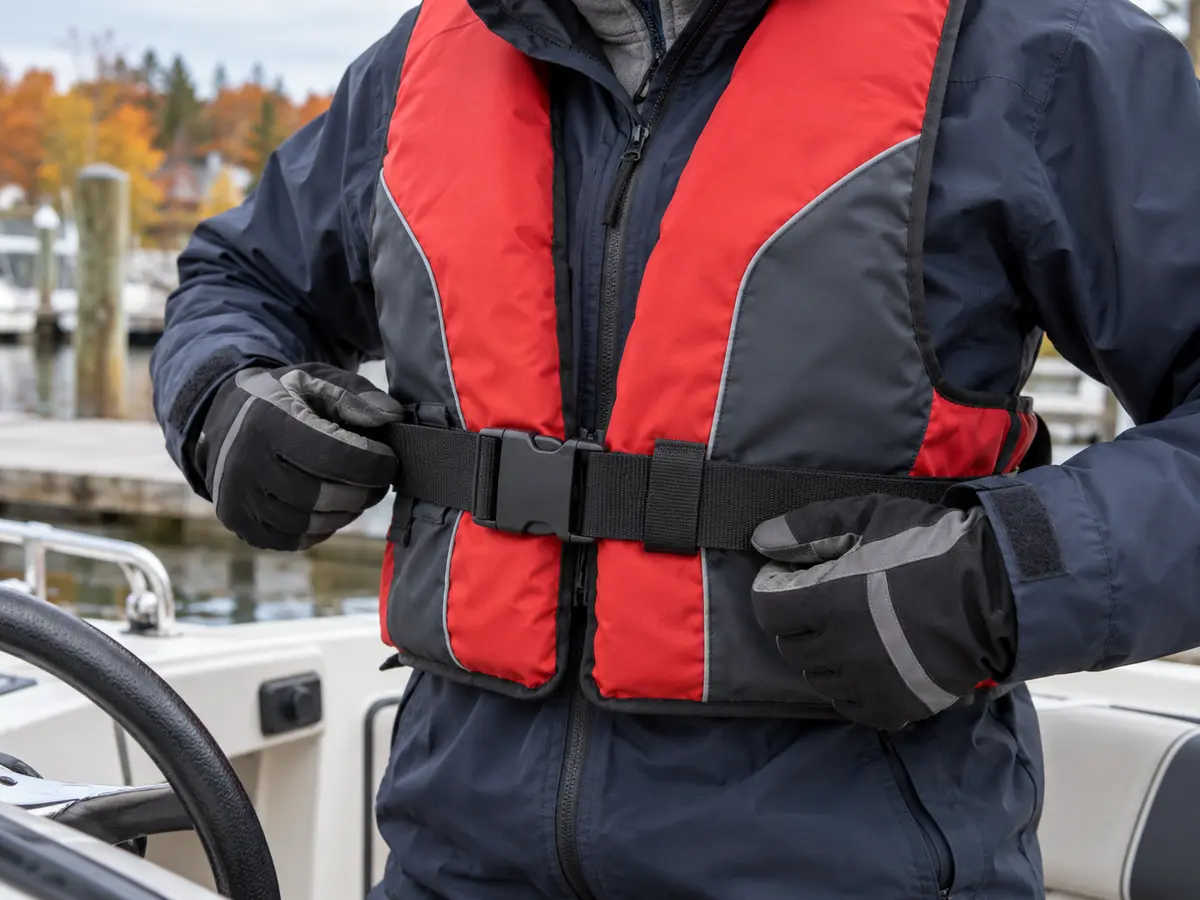
Close, lift, reach, turn, sit and recover before the boat leaves the trailer.
Run the six motions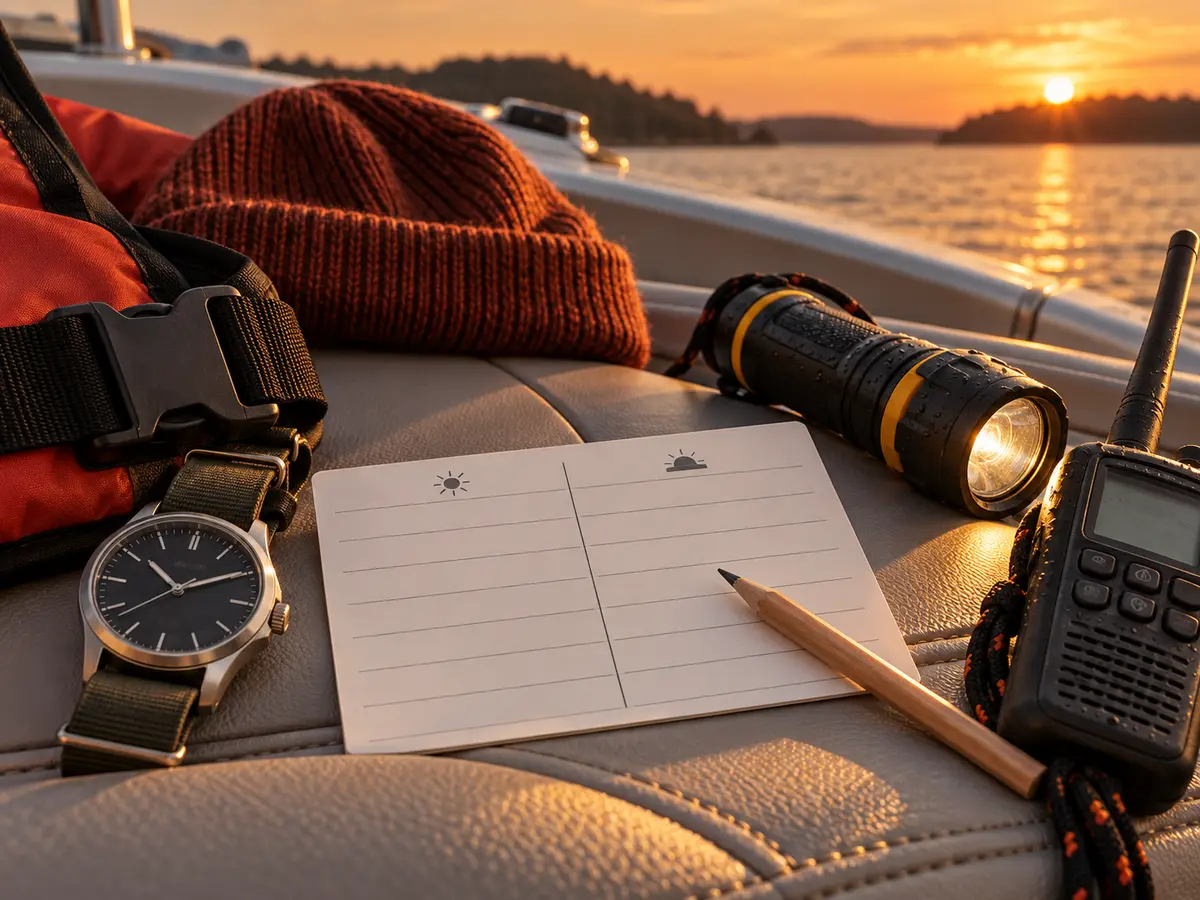
Let light, weather, cold water, recovery and crew reserve control.
Build the margin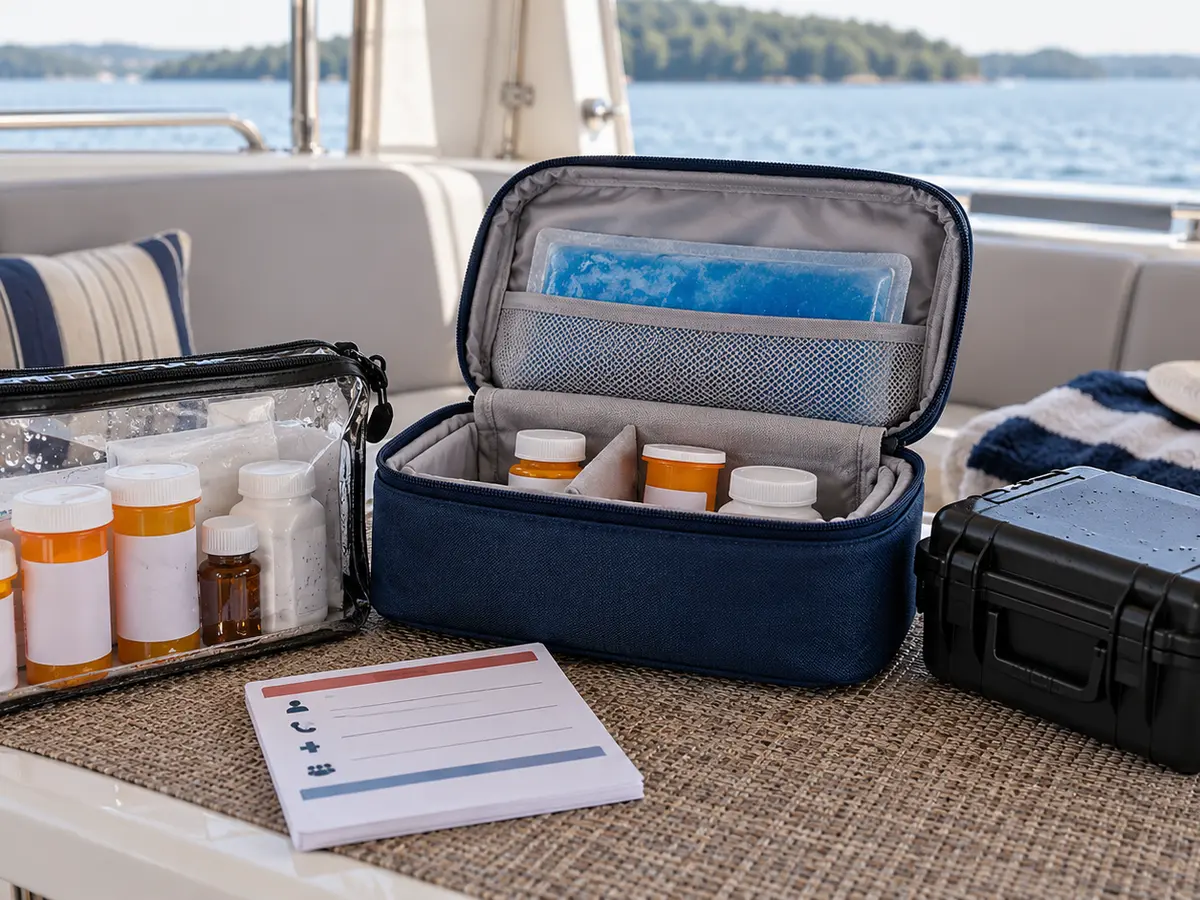
Use the label, pharmacist and a five-field manifest to manage heat, water, access and delay.
Build the storage plan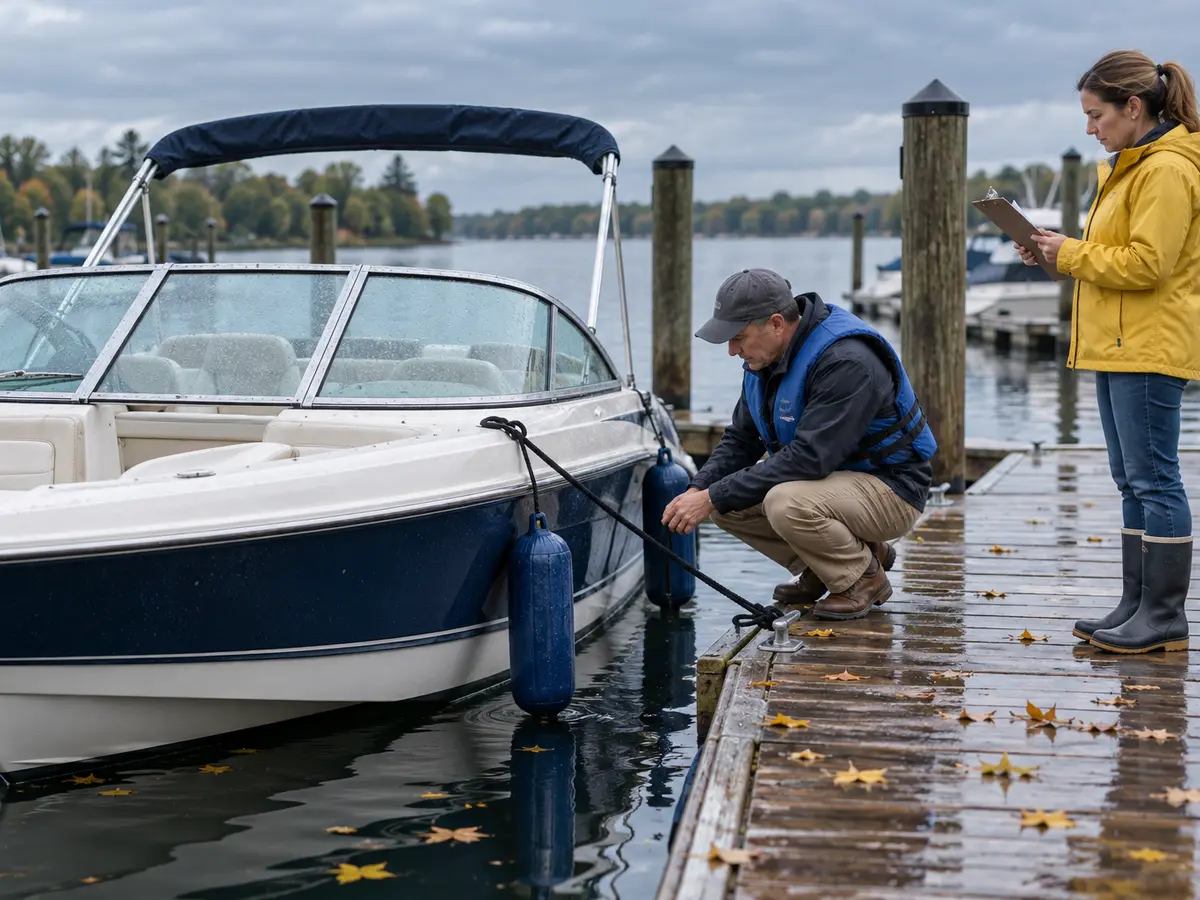
Start from land, treat utilities as unknown and clear every red or yellow condition before starting.
Use the no-go-first card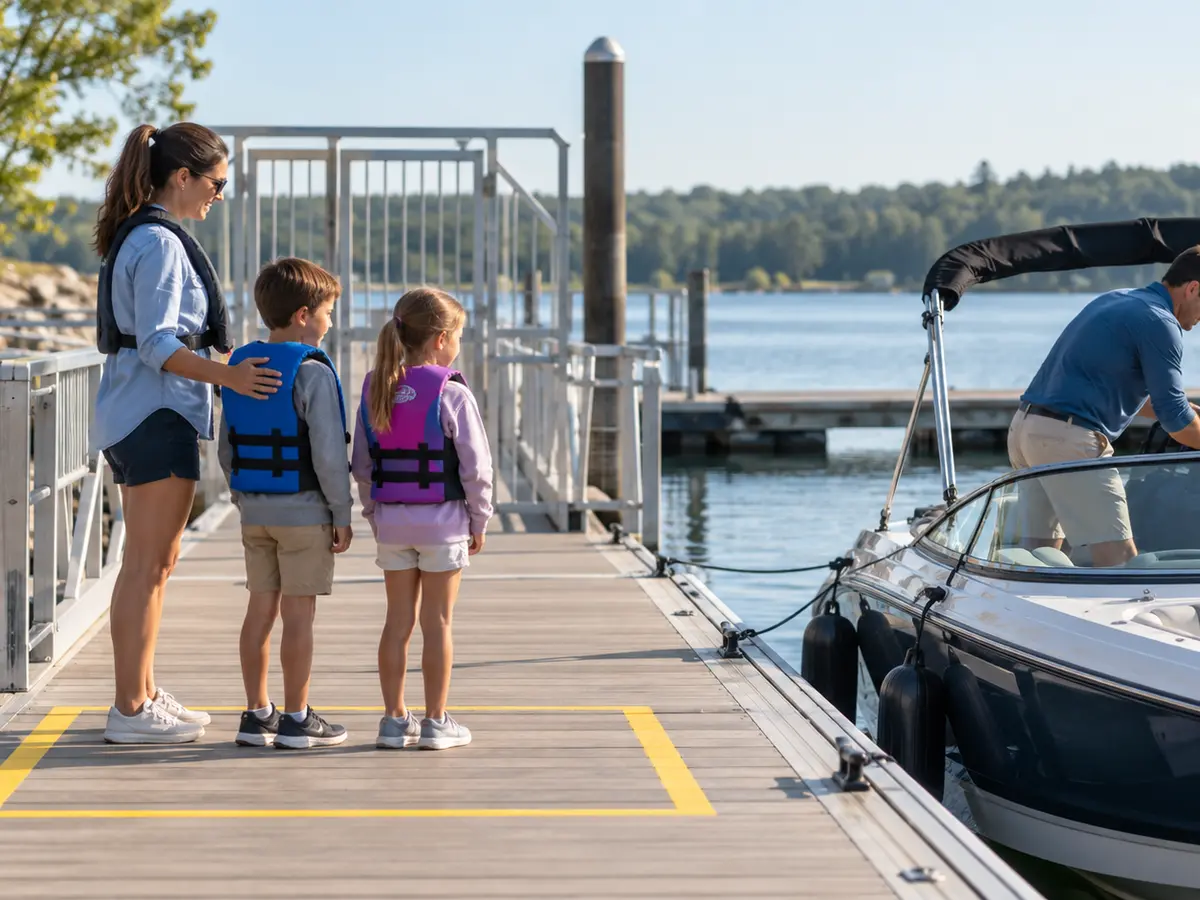
Assign one adult, one waiting place and one controlled transition from land to boat and back.
Use the four-state card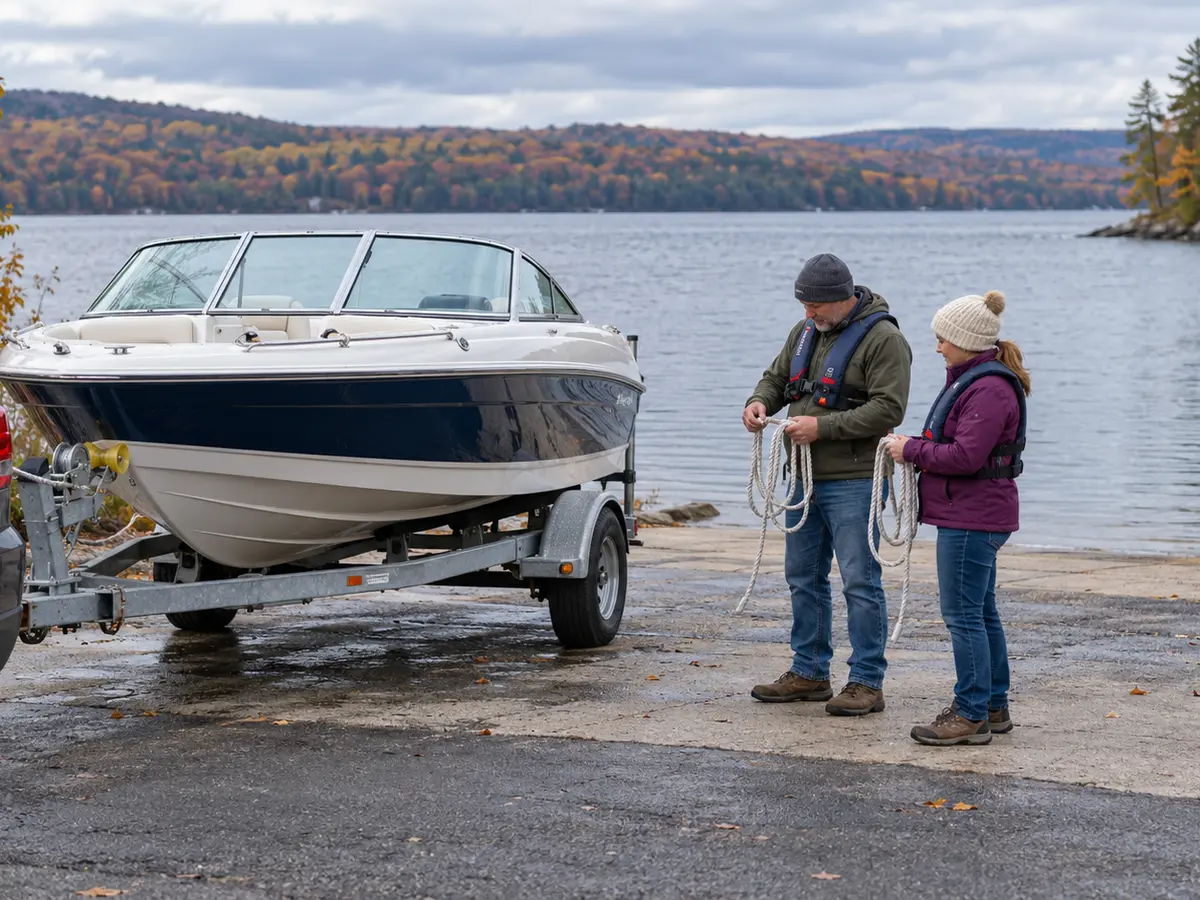
Use seven go/no-go gates and a two-adult choreography that keeps everyone out of cold water.
Use the no-dock plan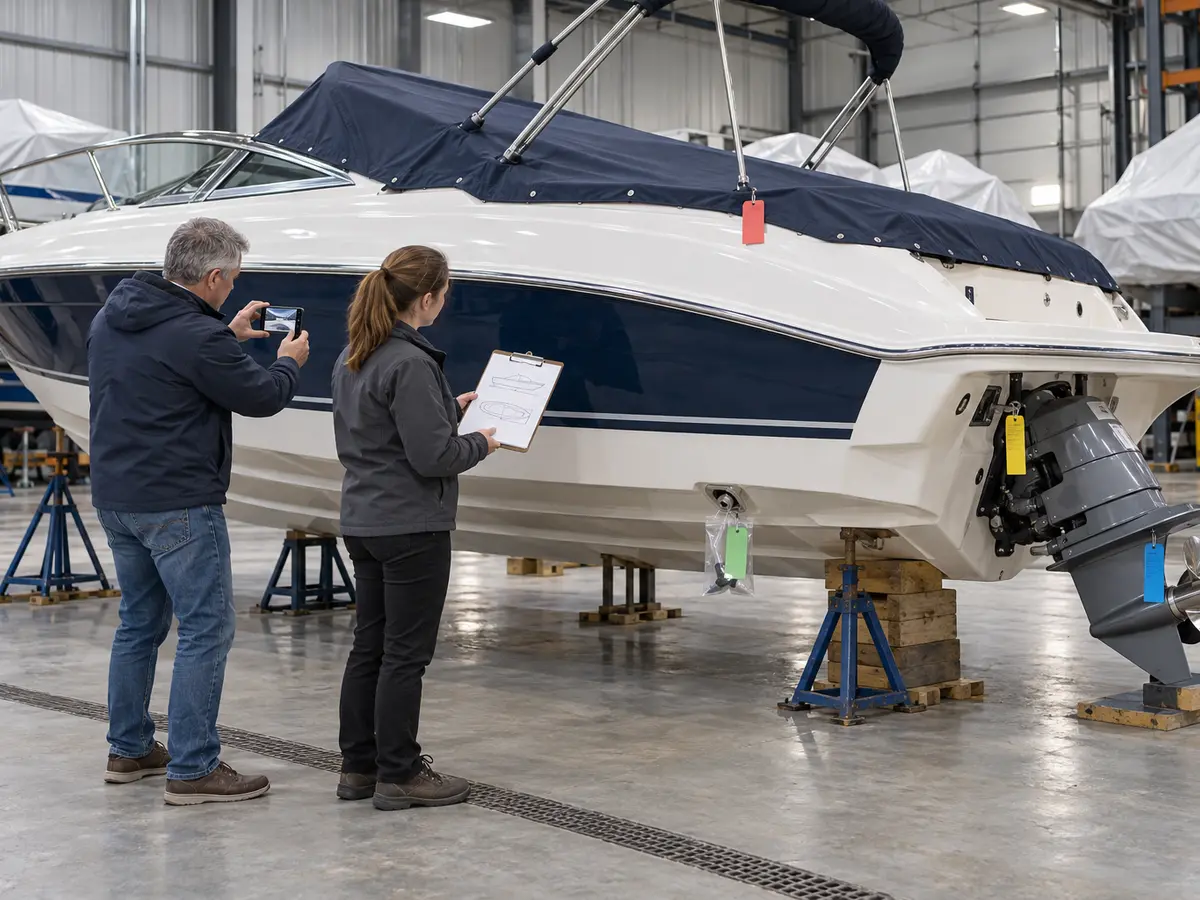
Match identity, condition, scope, approval and spring return before custody changes.
Use the handoff system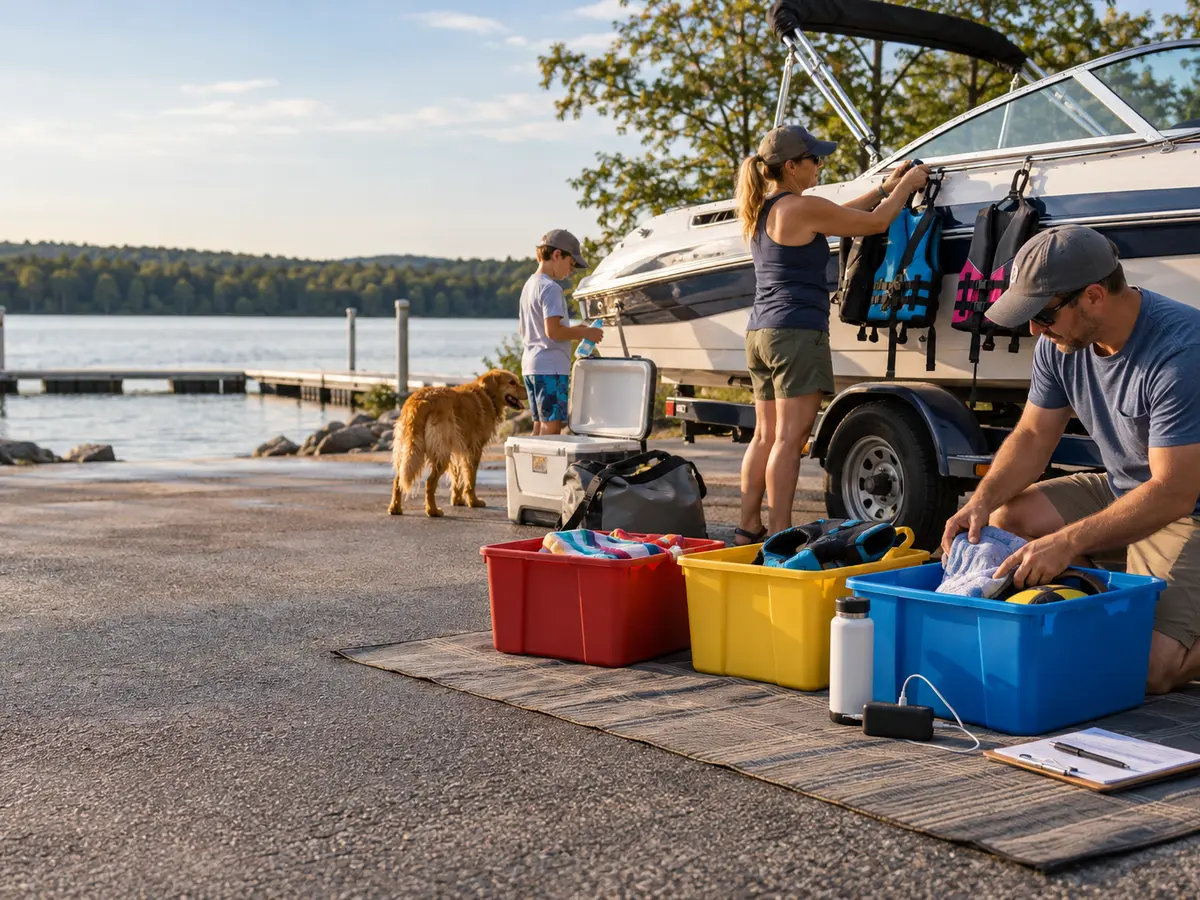
Unload perishables, open wet gear, recharge approved portable devices and route every defect.
Run the reset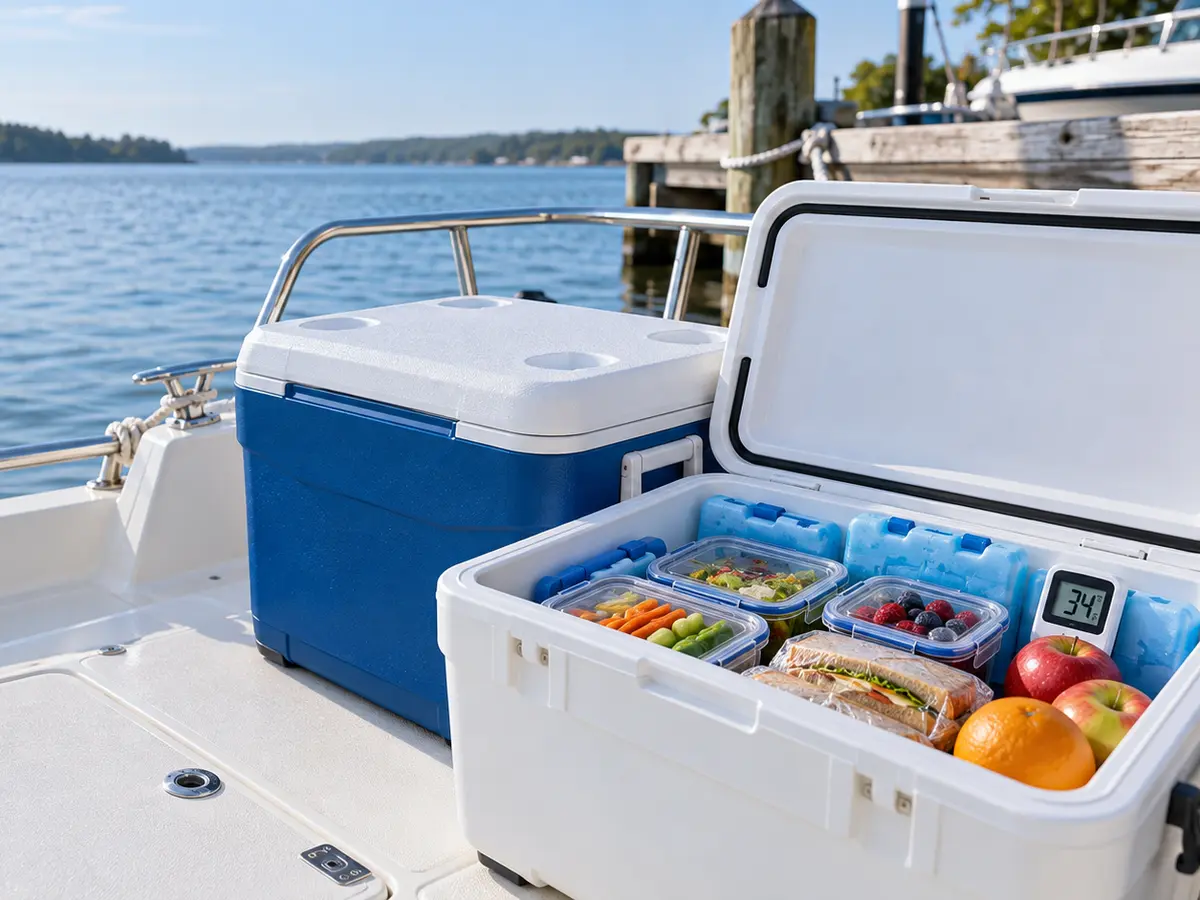
Use USDA and FDA gates for temperature, time, separation and hand cleaning aboard.
Use the control card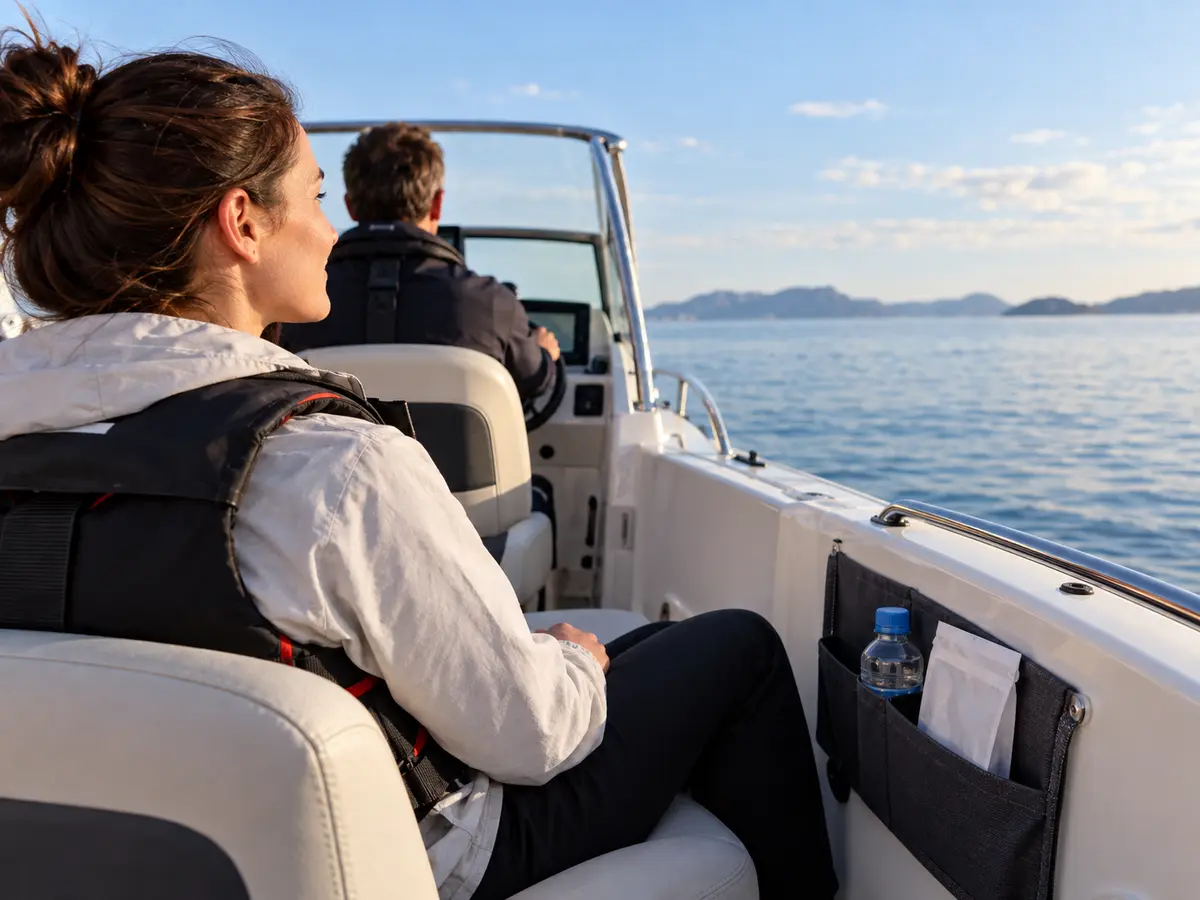
Prevent predictable motion sickness, turn back early and treat overlapping symptoms as possible carbon monoxide exposure.
Use the response card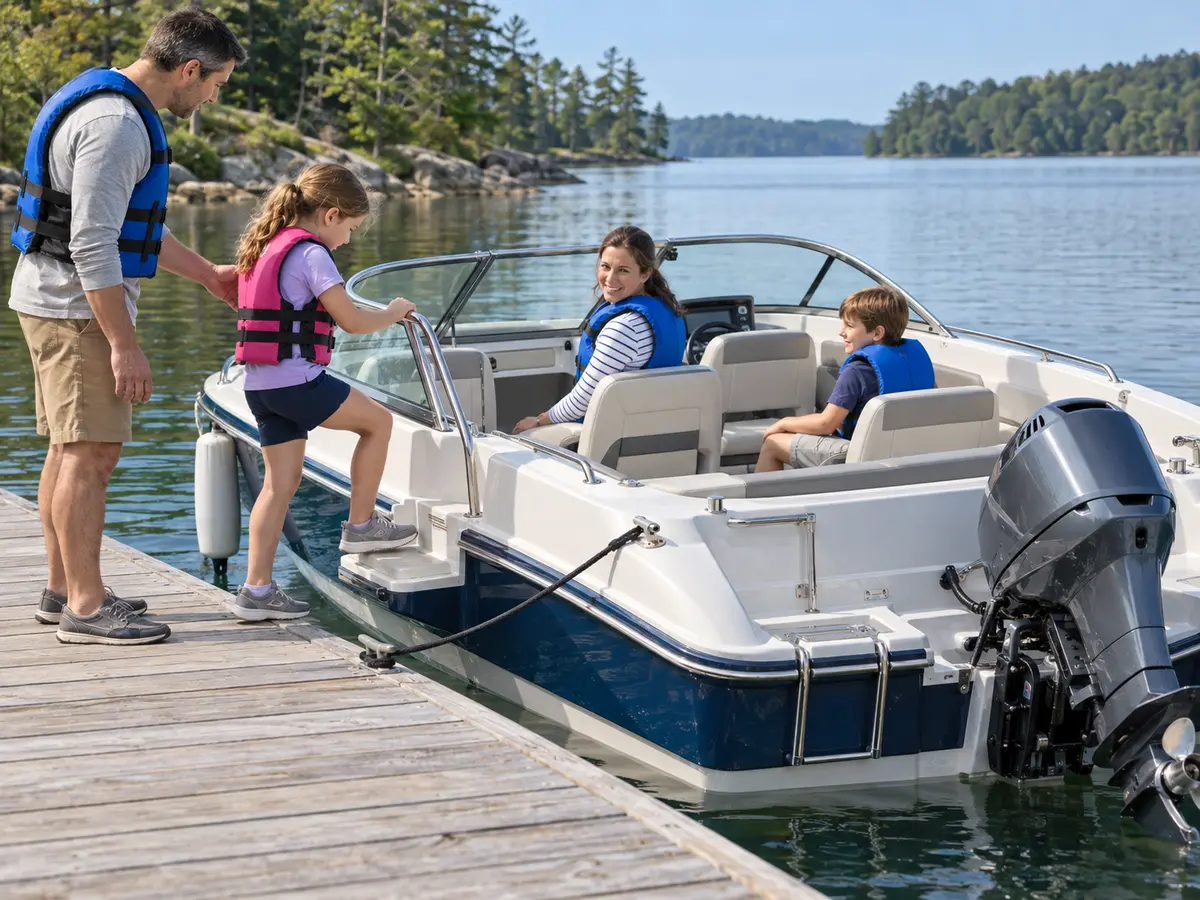
Use assigned seats and four clear states for boarding, departure, movement and arrival.
Use the passenger brief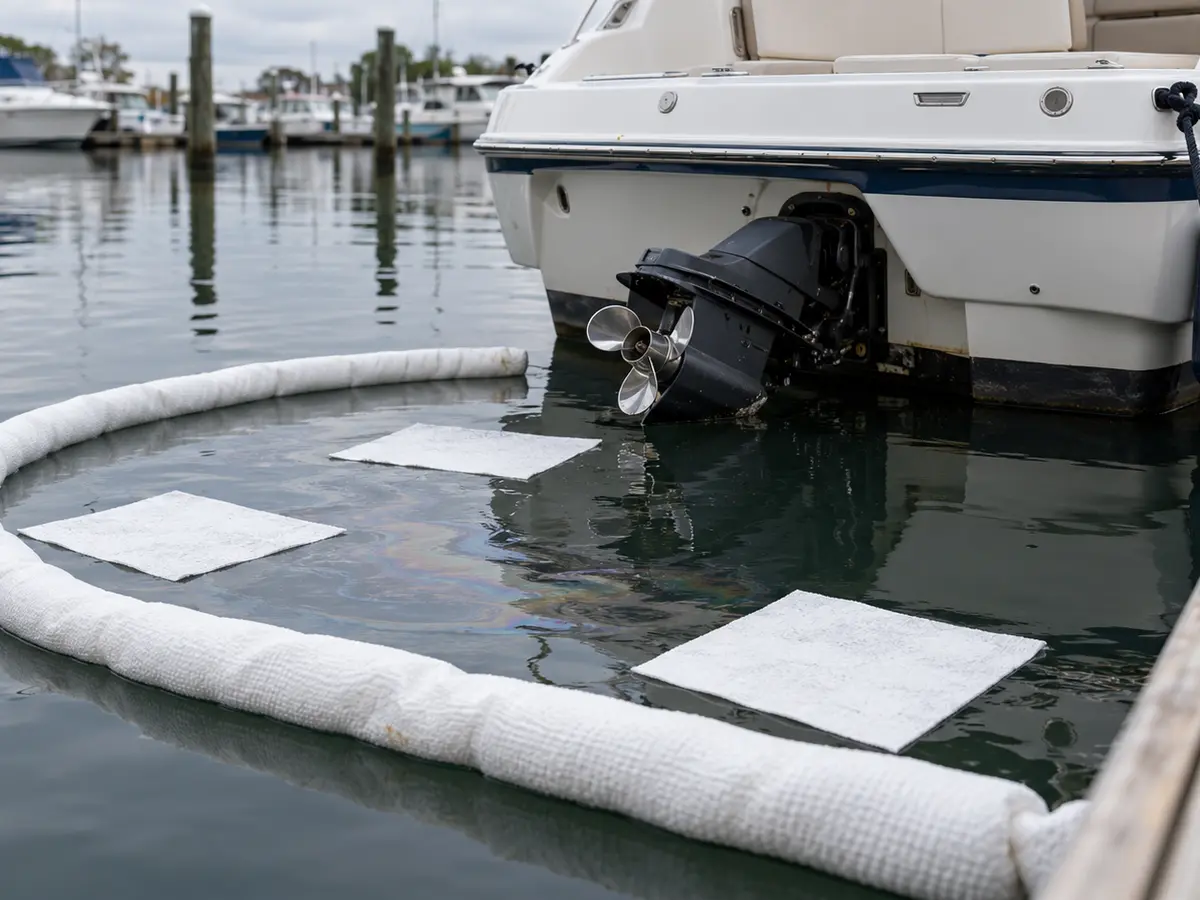
Protect people, stop the source when safe and call without waiting for a perfect estimate.
Use the response card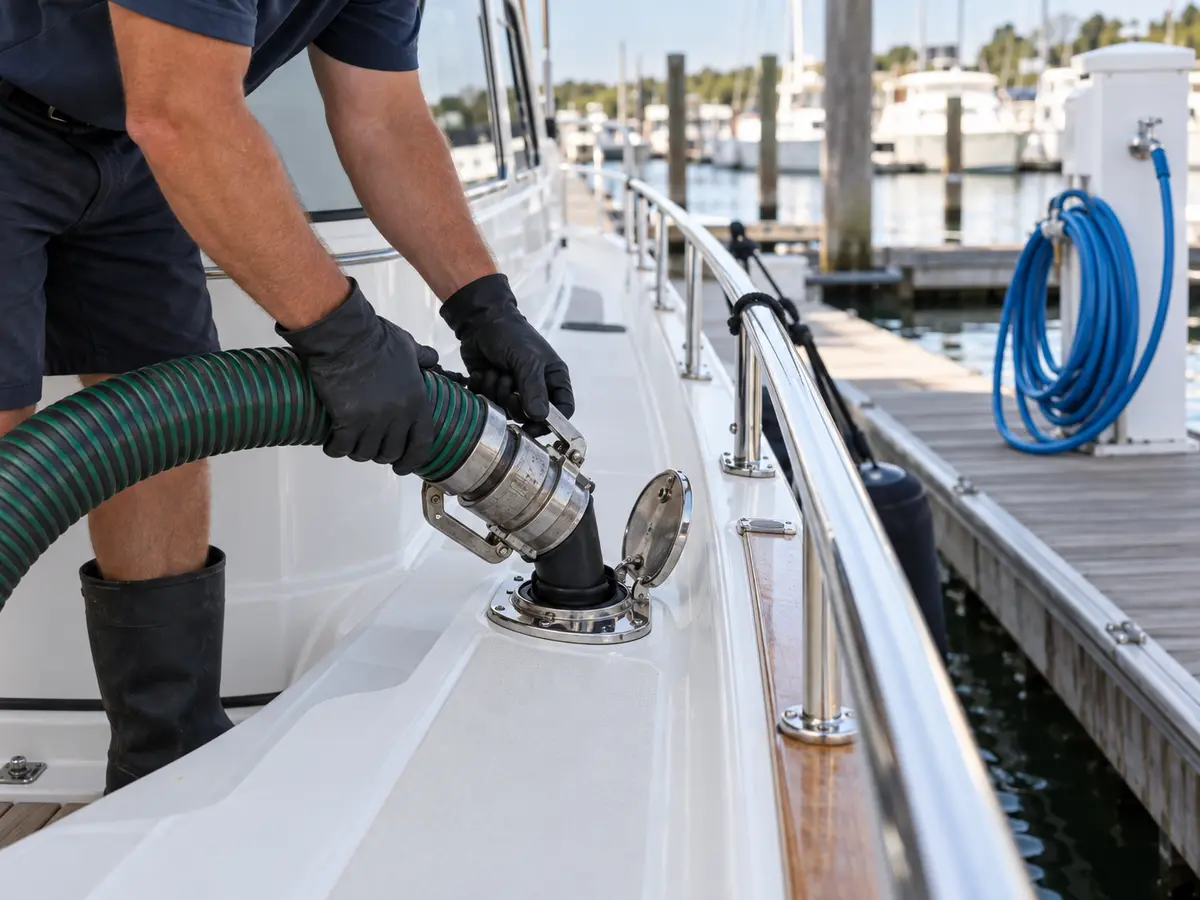
Identify the waste fitting, protect the vent and read no-discharge rules literally.
Use the decision card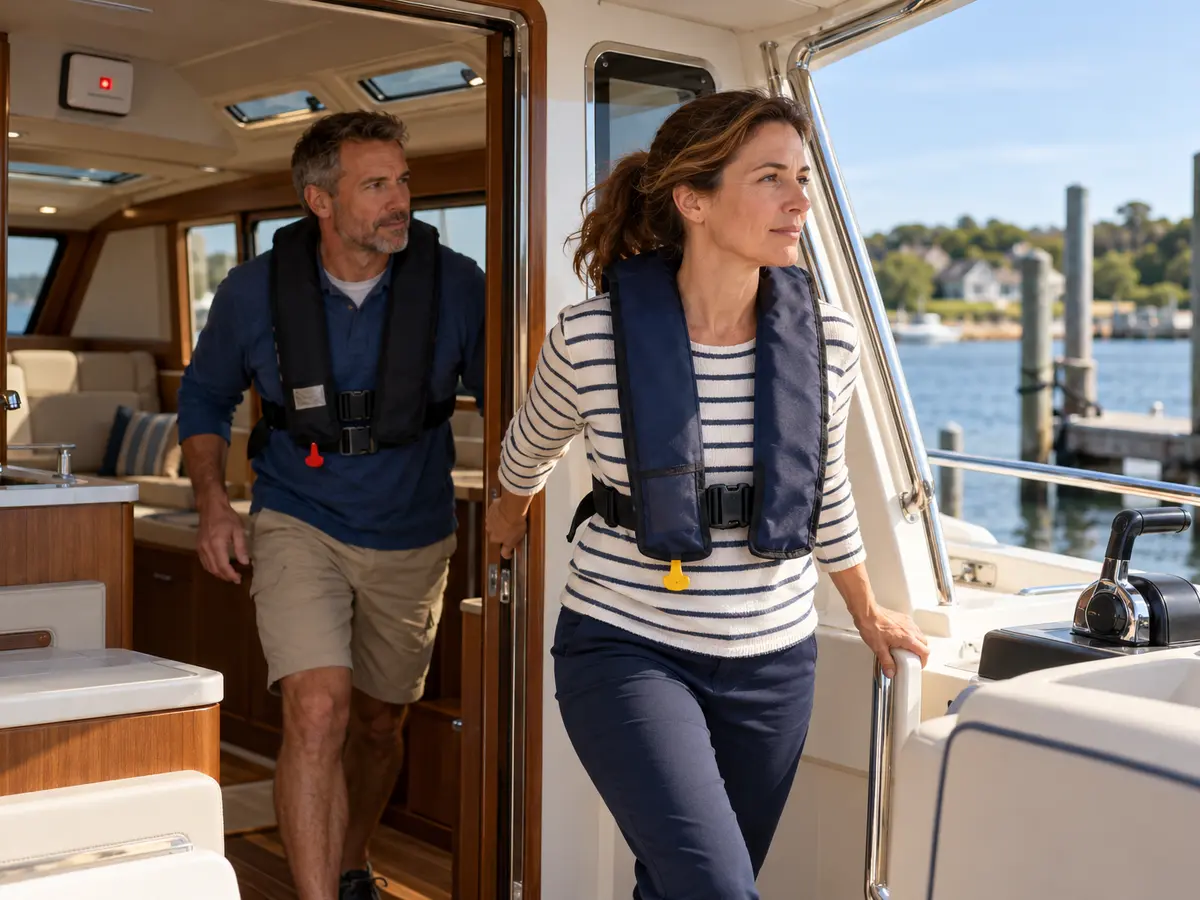
Evacuate, account, call and prevent re-entry until responders and qualified service clear the boat.
Use the response card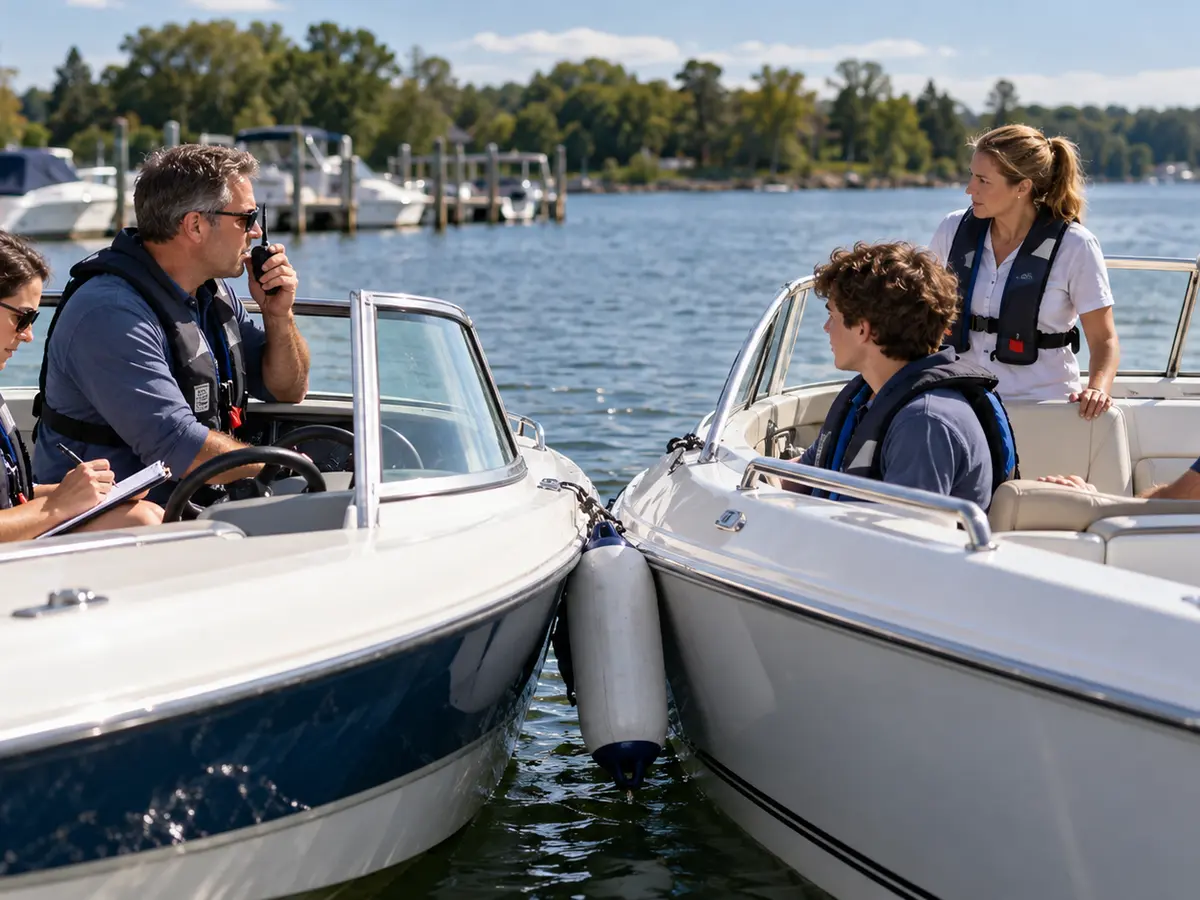
Account, control hazards, exchange facts and meet every applicable reporting duty.
Use the response card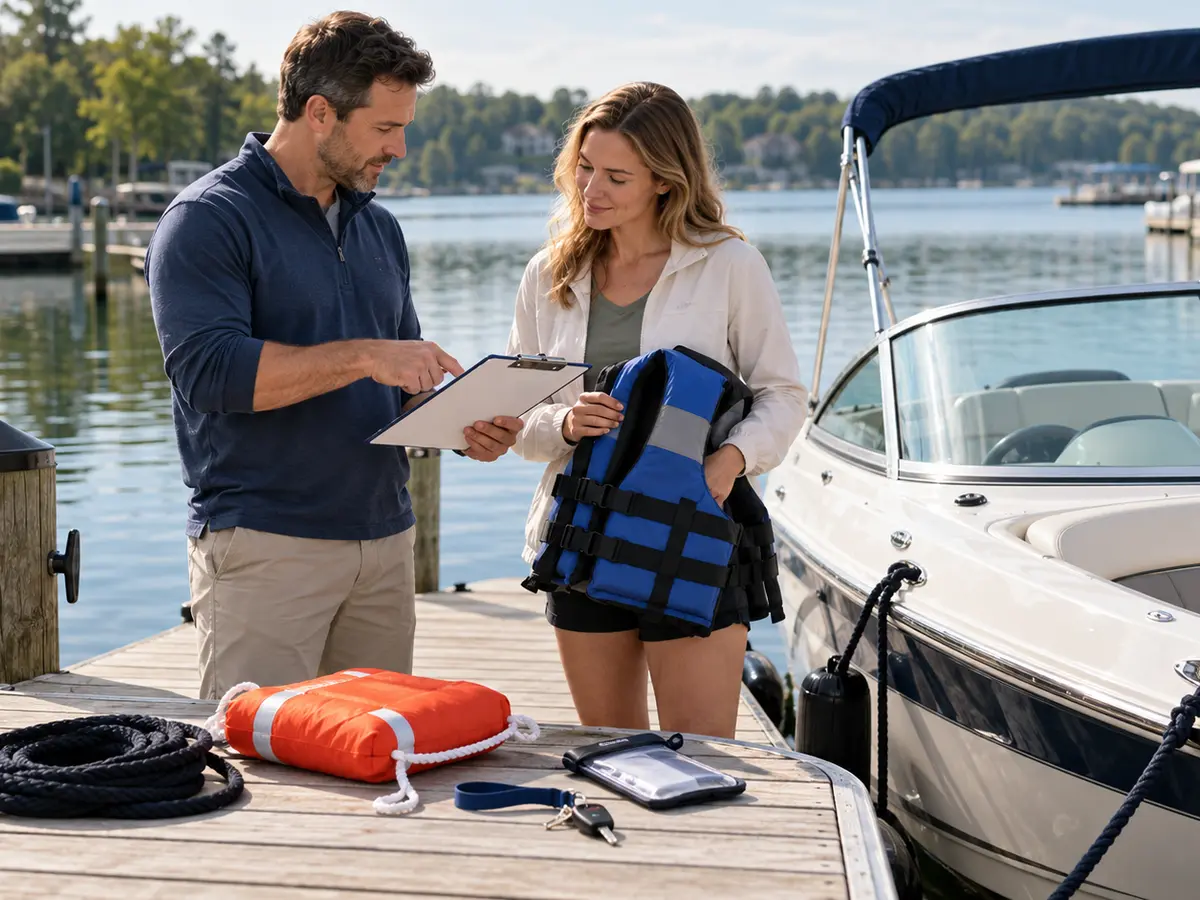
Verify credential, insurance, boat-specific skill and boundaries before handing over control.
Use the handoff card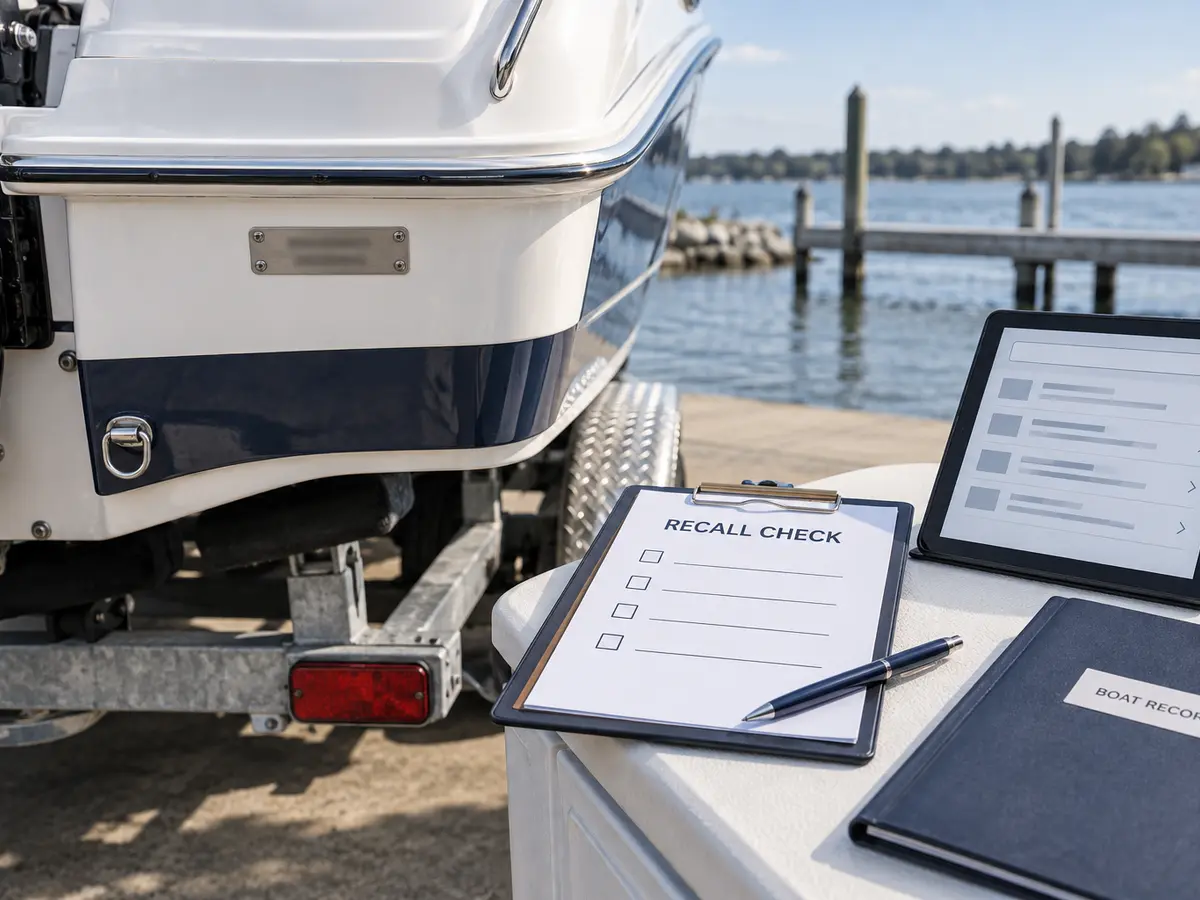
Match the HIN, MIC, model and year, then preserve proof of the remedy.
Build the recall record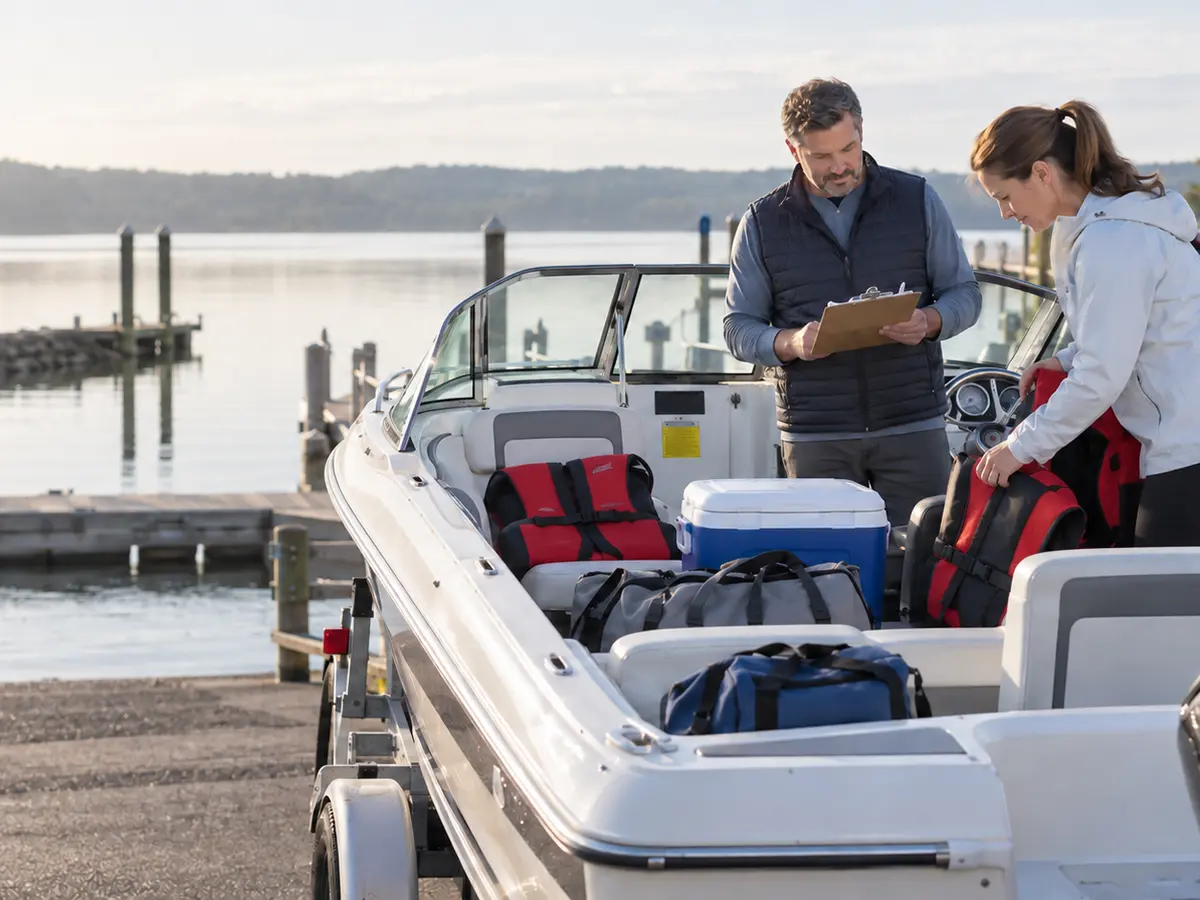
People, pounds, motor, gear and horsepower are separate constraints.
Build the load budget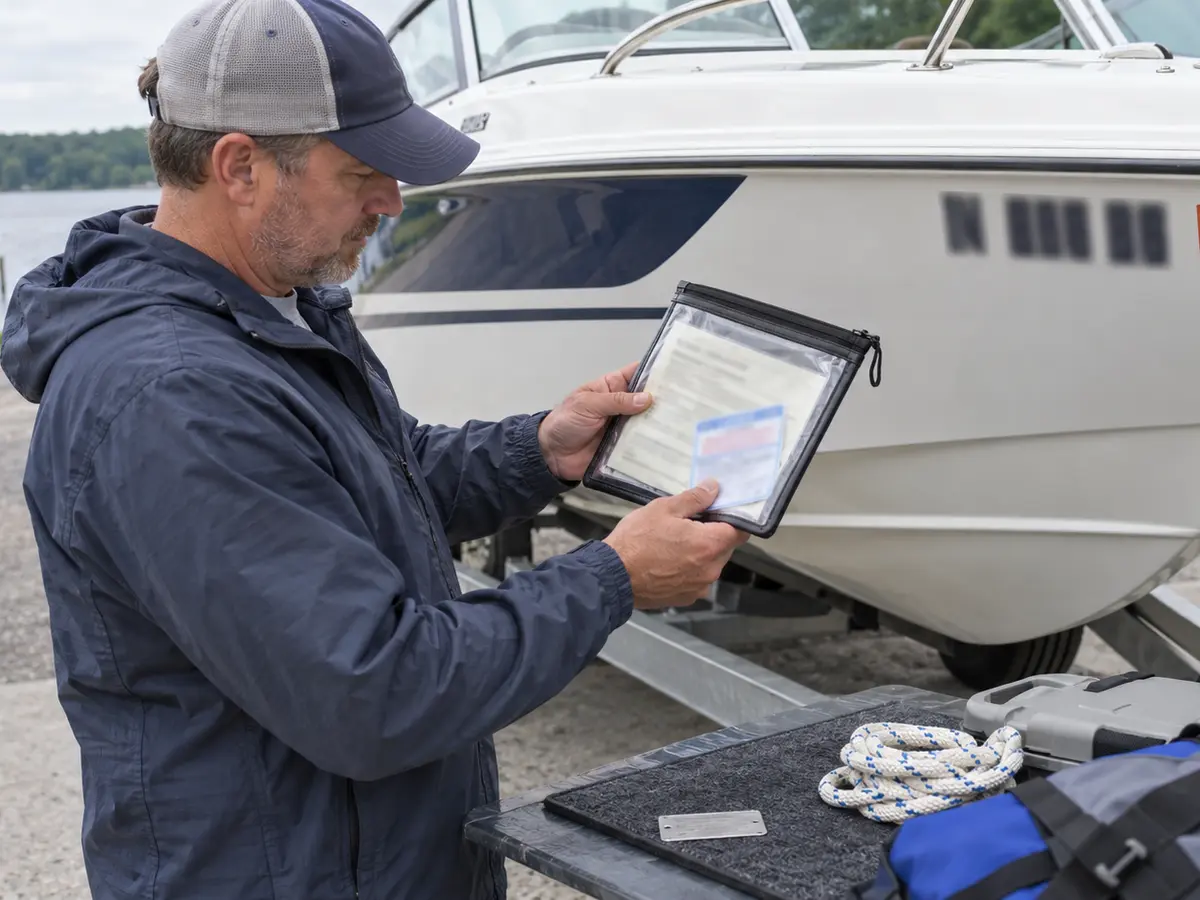
Separate hull identity, registration, stickers, ownership and operator proof.
Open the document guide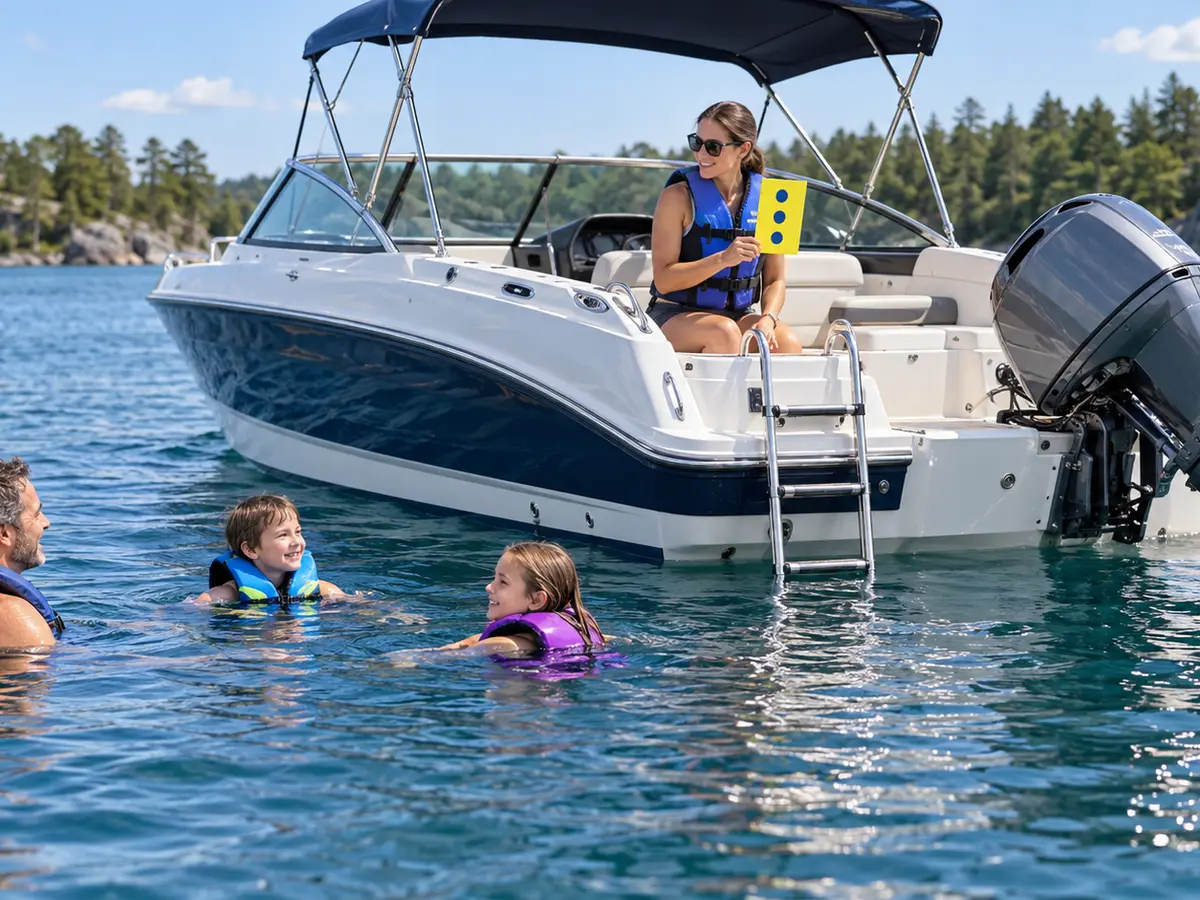
Place, water, propulsion, reboarding, supervision and count all must pass.
Open the swim protocol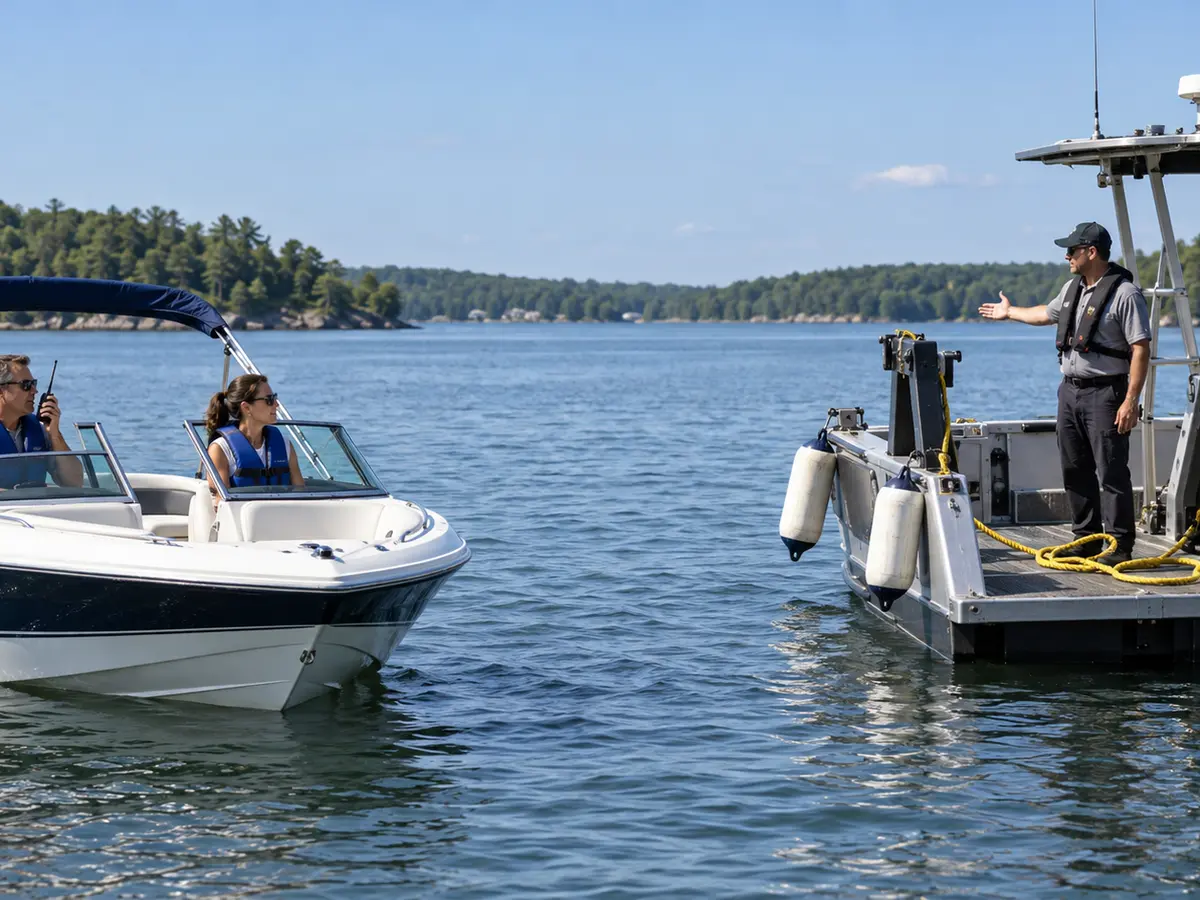
Protect people first, then identify the proposed service and written terms.
Open the decision card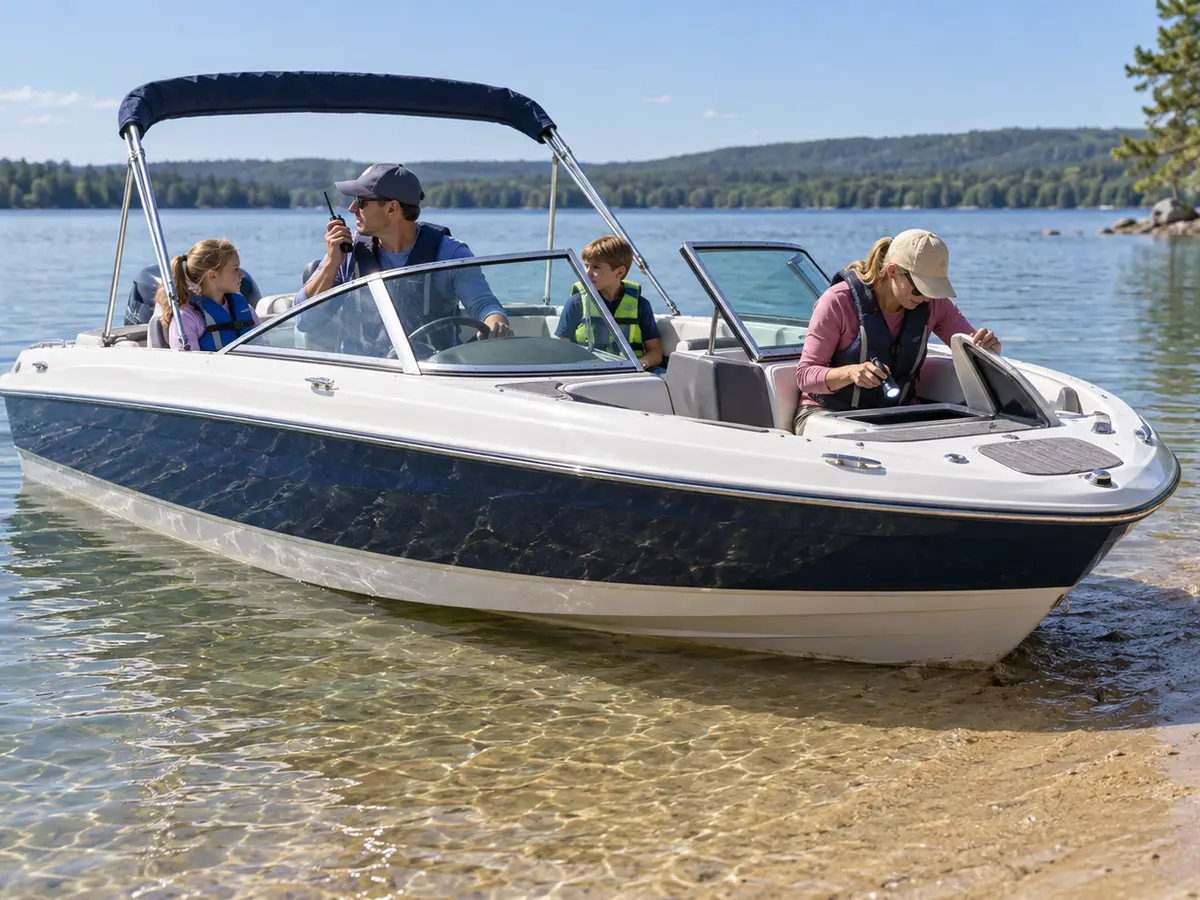
Protect people, check water and damage, then choose the recovery path deliberately.
Open the grounding protocol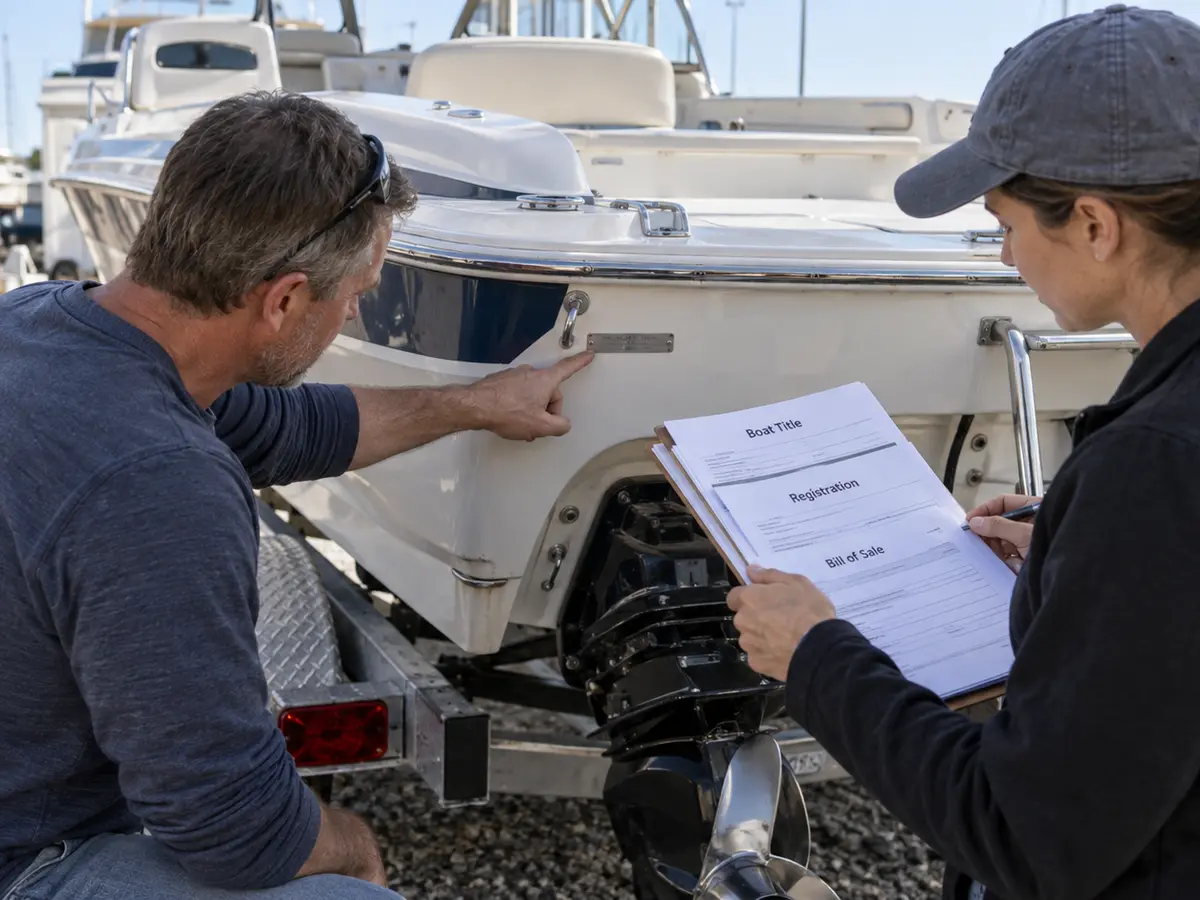
Reconcile the physical boat, ownership document, seller and lien before money moves.
Open the paperwork protocol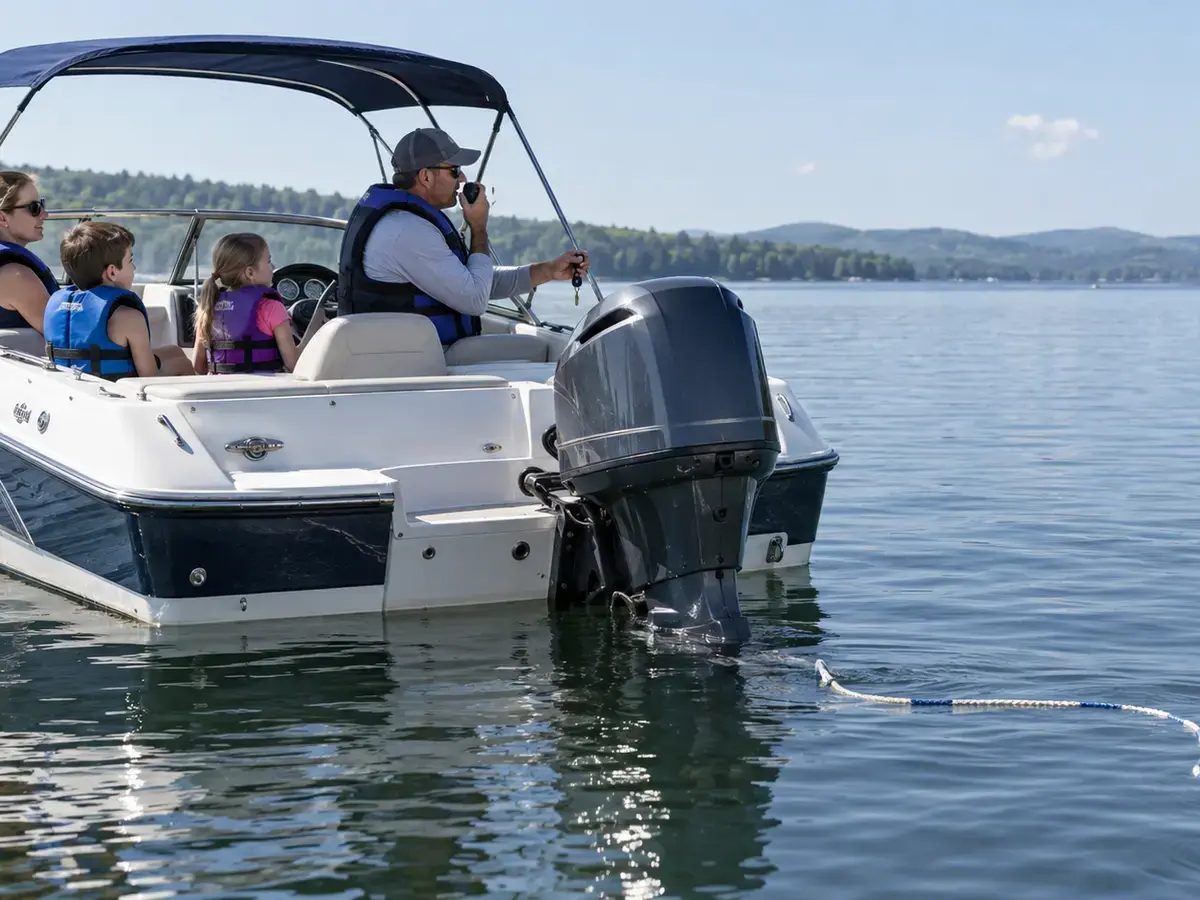
Shut down fully, control the crew and drift, and call before attempting any inspection.
Open the response plan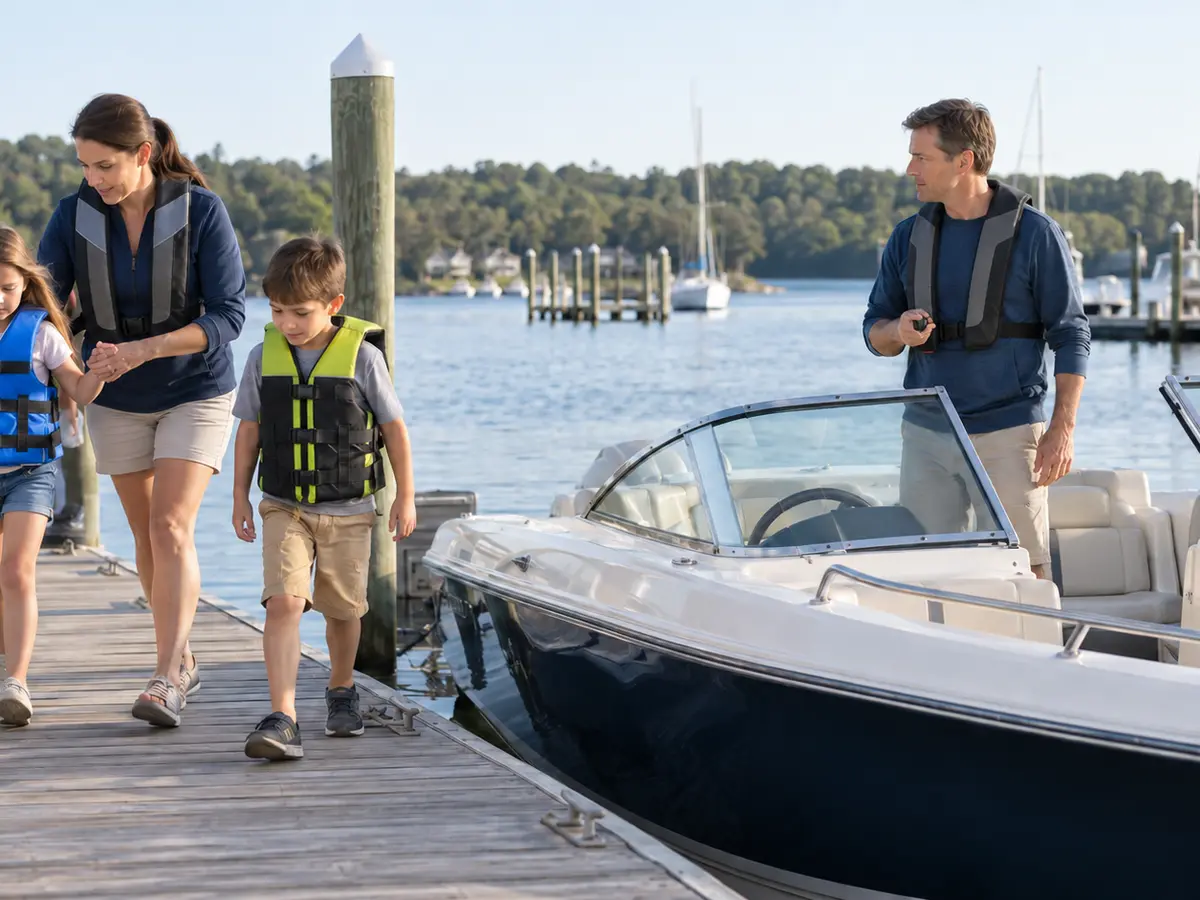
Create no spark, do not start the engine or pump fuel overboard, and get people clear.
Open the response plan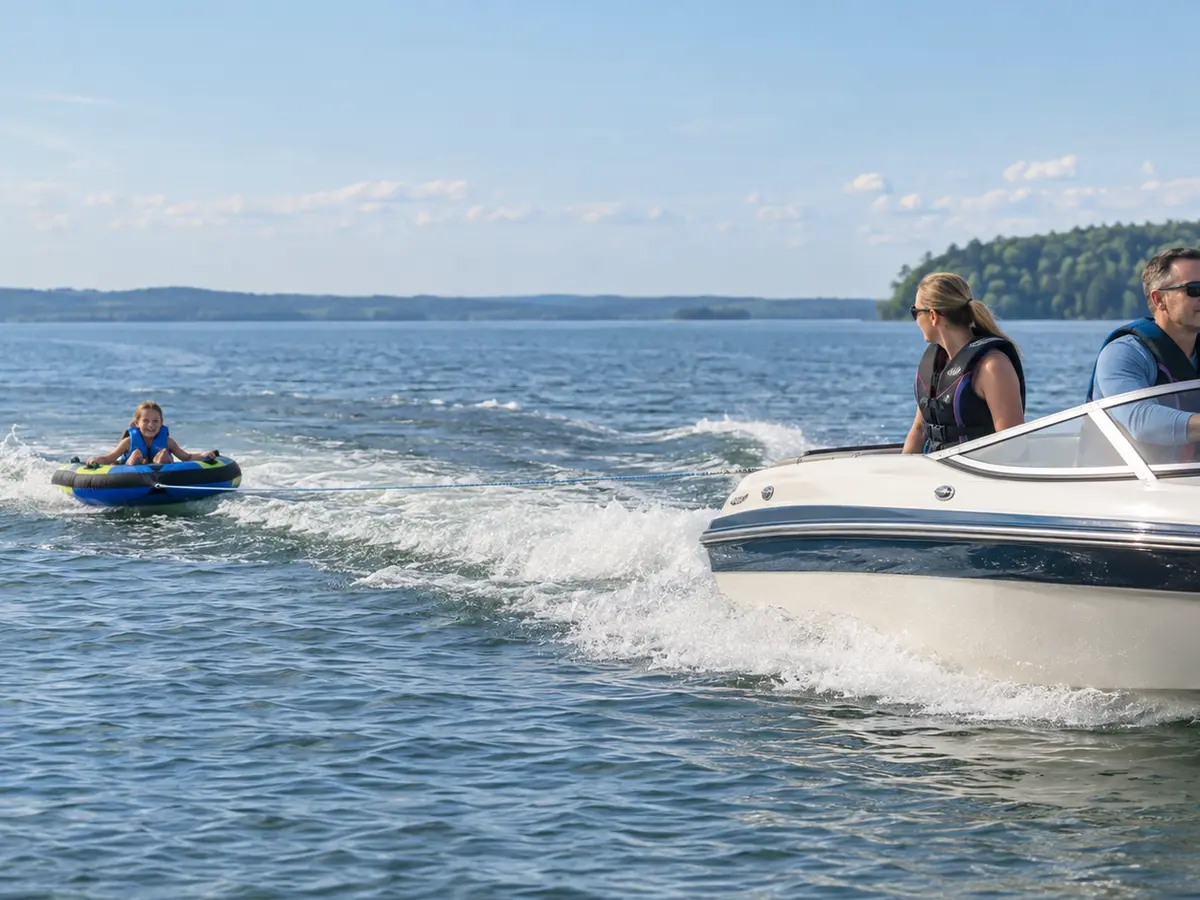
Assign the observer, fit the PFD, agree on signals and protect every pickup.
Open the tubing plan
Reduce load, protect the crew, control drift and keep diagnosis inside the exact engine manual.
Open the response plan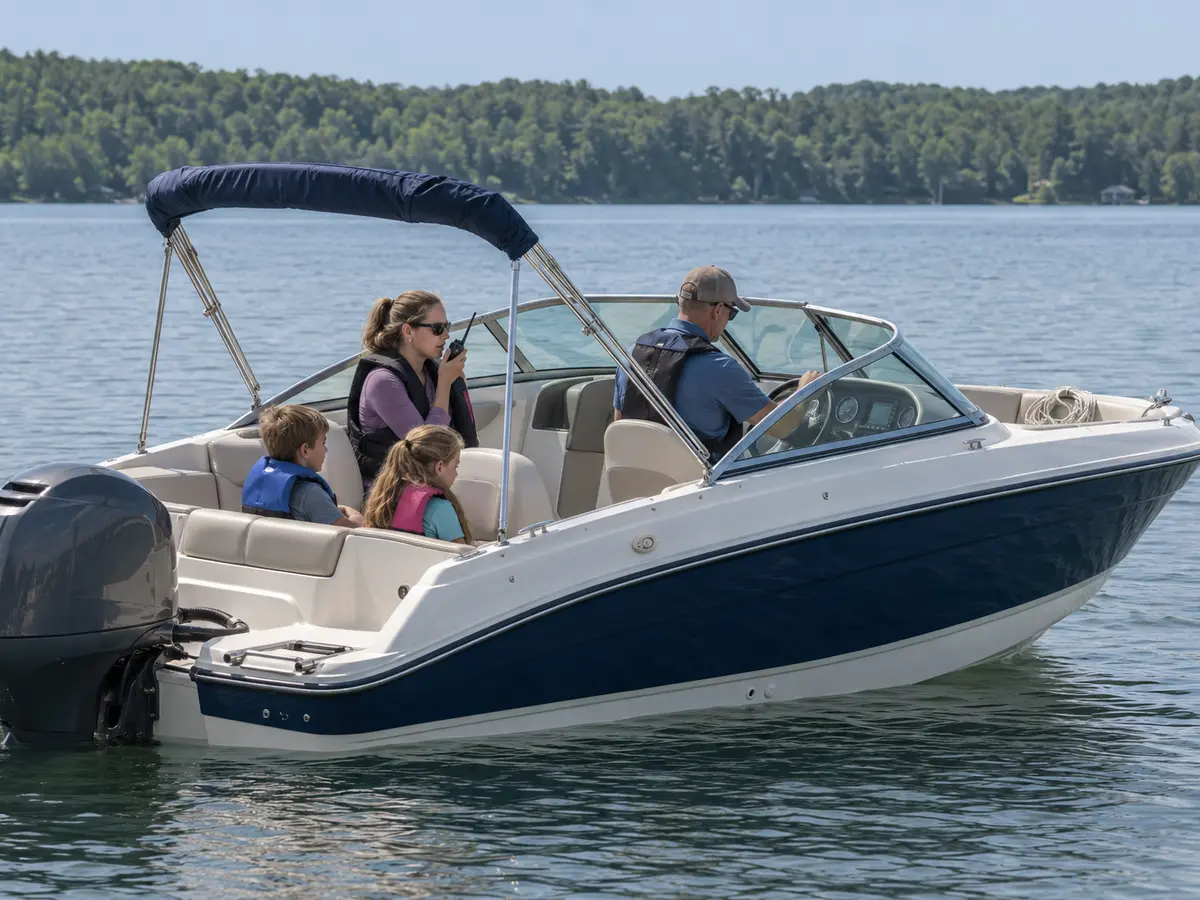
Secure people, read the drift, communicate early and keep diagnosis inside the operator manual.
Open the response plan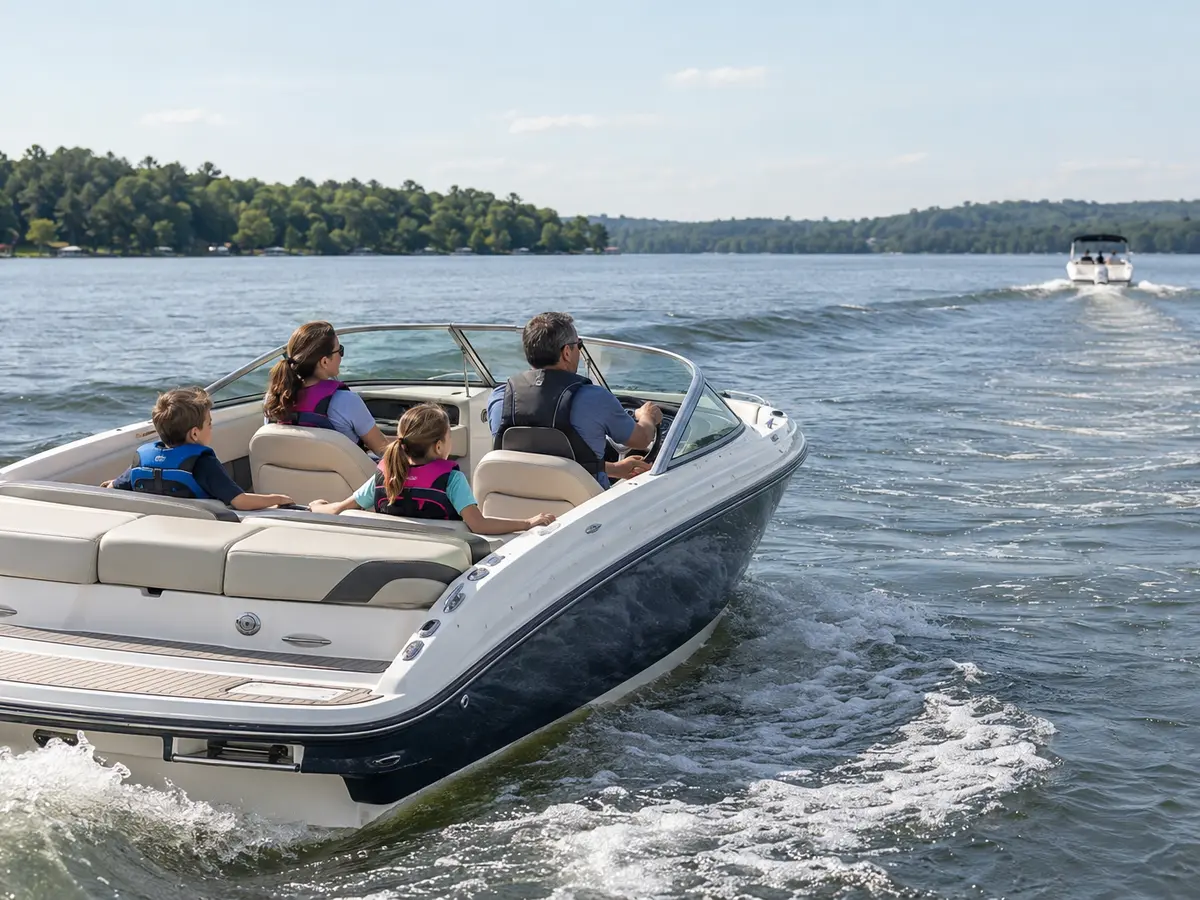
Slow before the wake, seat everyone, preserve steerage and stop when comfort or control margin is gone.
Open the wake protocol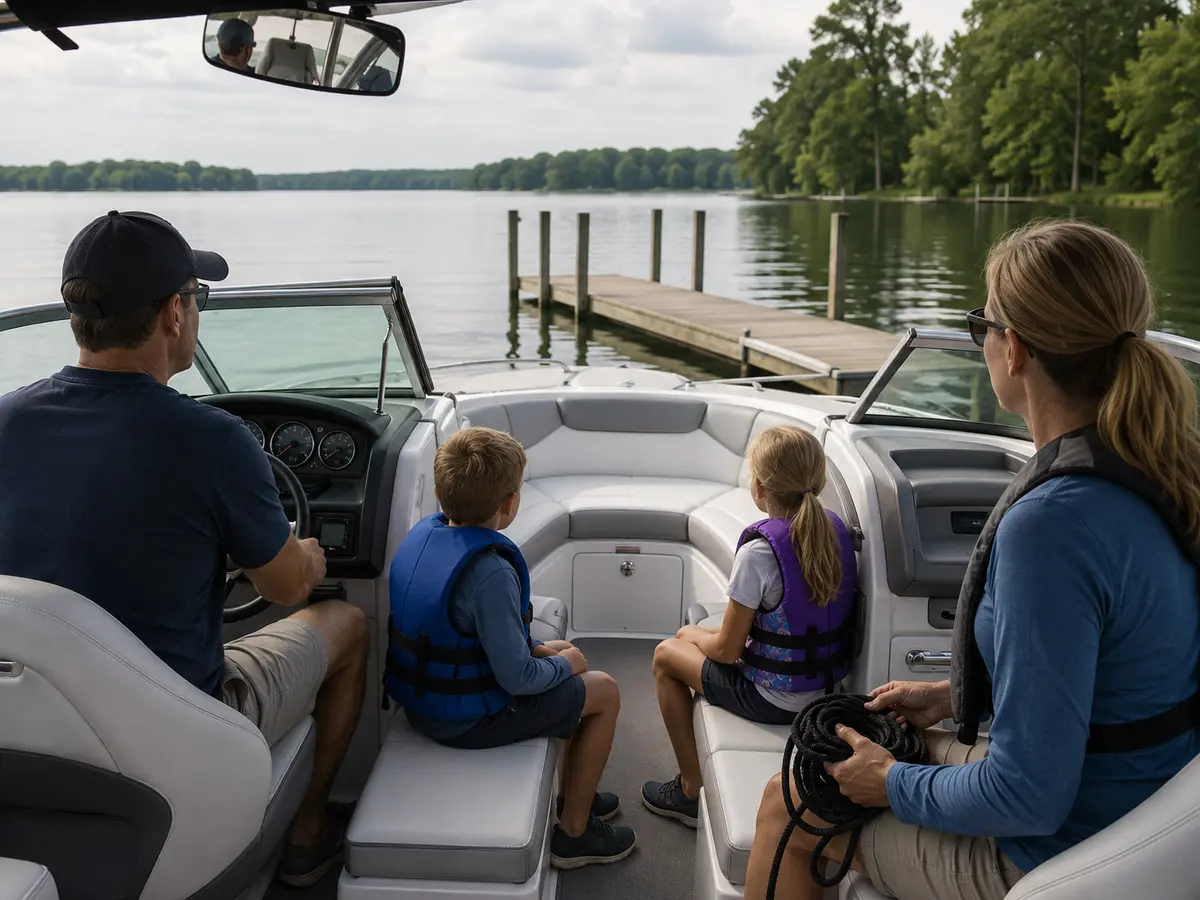
Assign seats, lines and one voice before the approach—and make the go-around normal.
Open the crew brief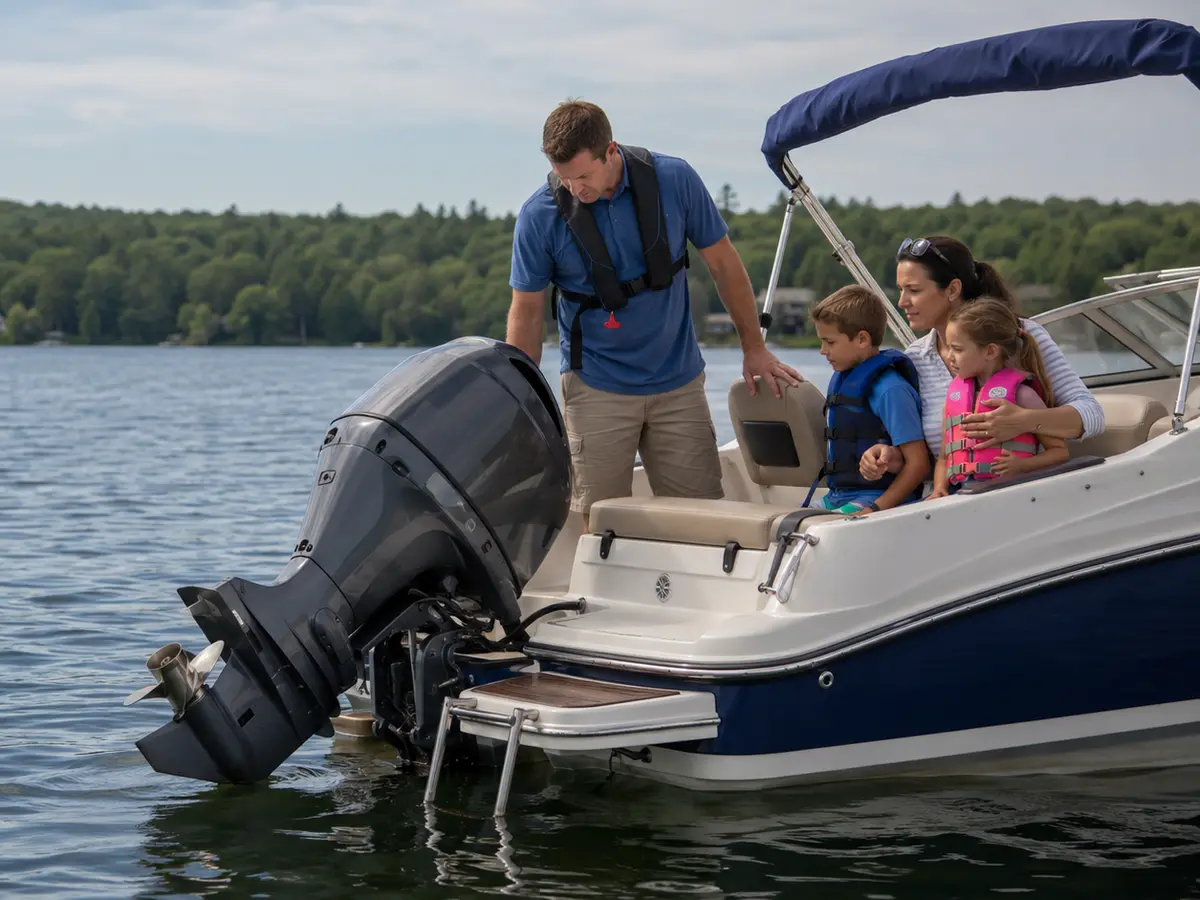
Protect people, check for flooding and stop for vibration before a damaged propeller compounds the strike.
Open response plan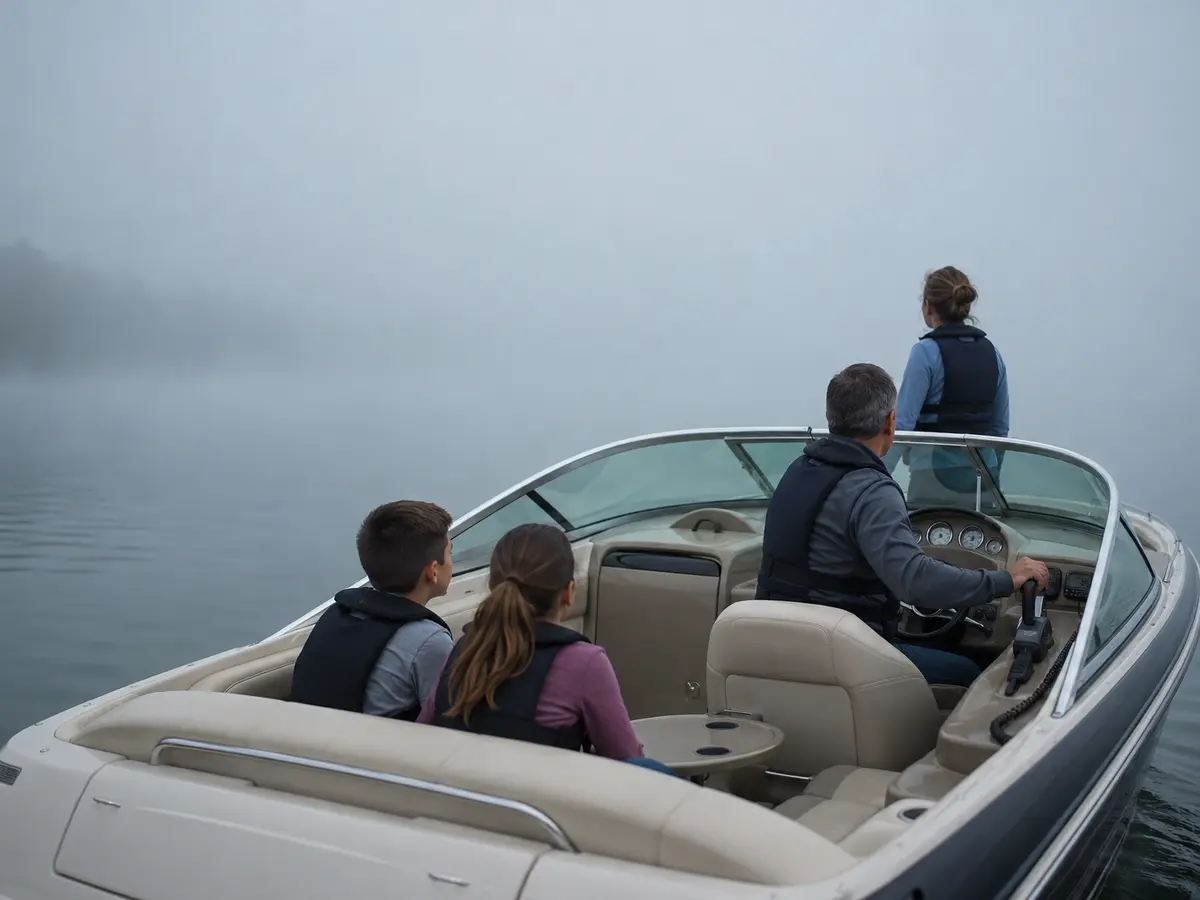
Slow, assign a lookout, show the right lights, signal and preserve a safe place to stop.
Open response plan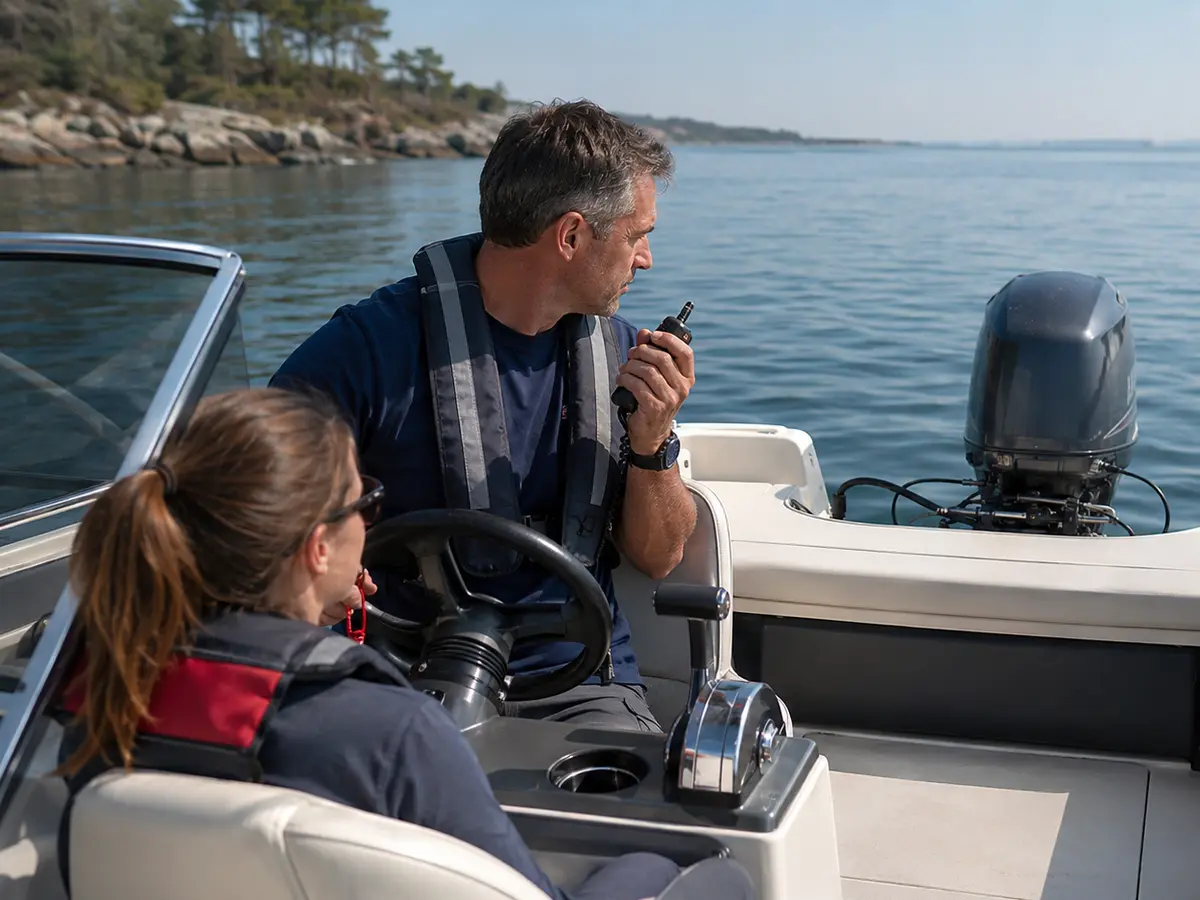
Reduce thrust, protect passengers, control drift and call early before diagnosing the system.
Open response plan
Where to launch, dock, eat and build a two-day itinerary without wasting half the trip.
Read story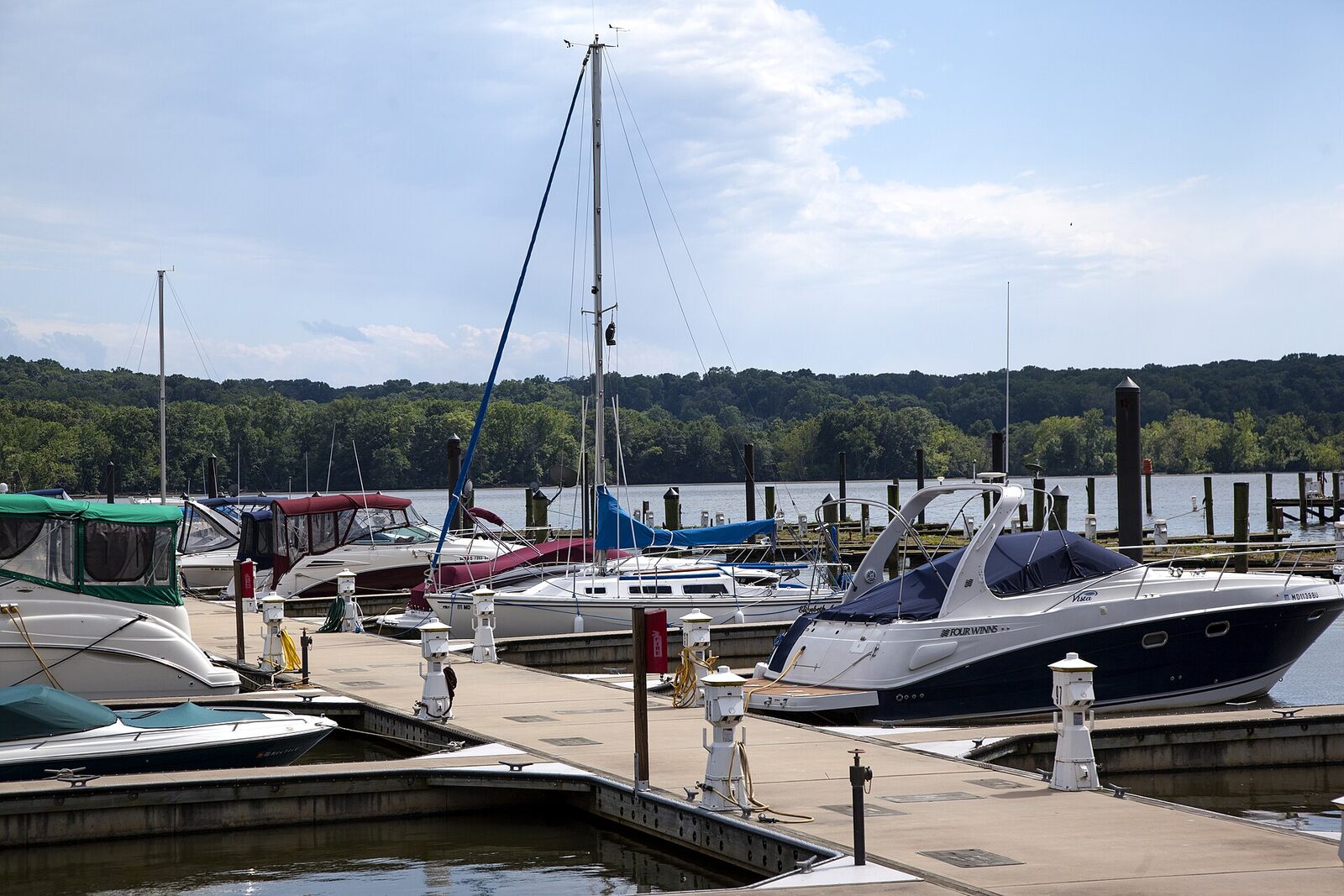
A practical checklist for safety, quick repairs and fewer afternoons ruined by one missing item.
Read story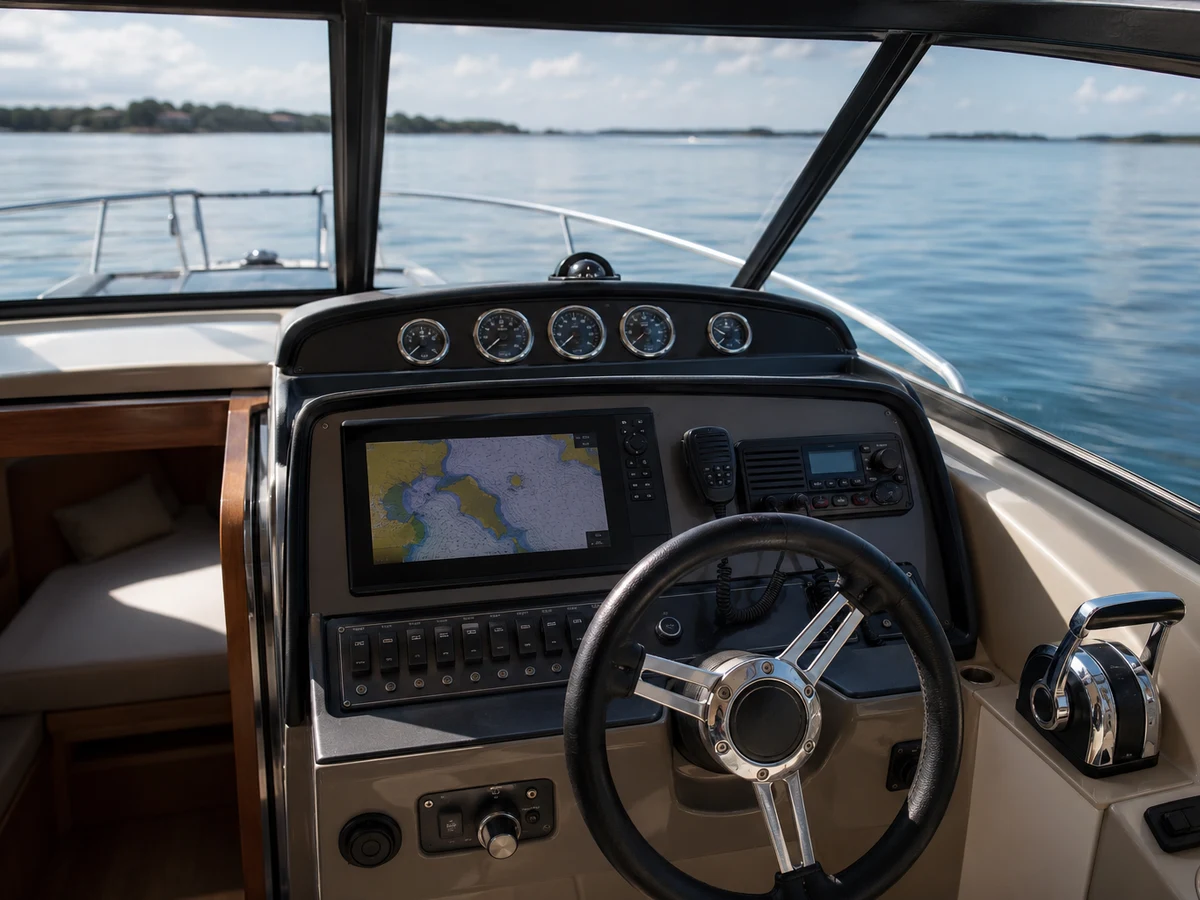
Choose the screen, mapping and sonar features that match how you boat.
Read story
Make a short trip feel substantial without overplanning every hour.
Read story
Layout, shade, storage, boarding and the details that matter more than horsepower.
Read story
Protect batteries, fuel systems, upholstery and your spring launch date.
Read storyBrowse 20 organized hubs covering Northeast destinations, ownership, maintenance, safety, navigation, weather, docking, anchoring, family boating and more.
Open the boating libraryGet one destination, one practical guide and one piece of gear worth knowing about.