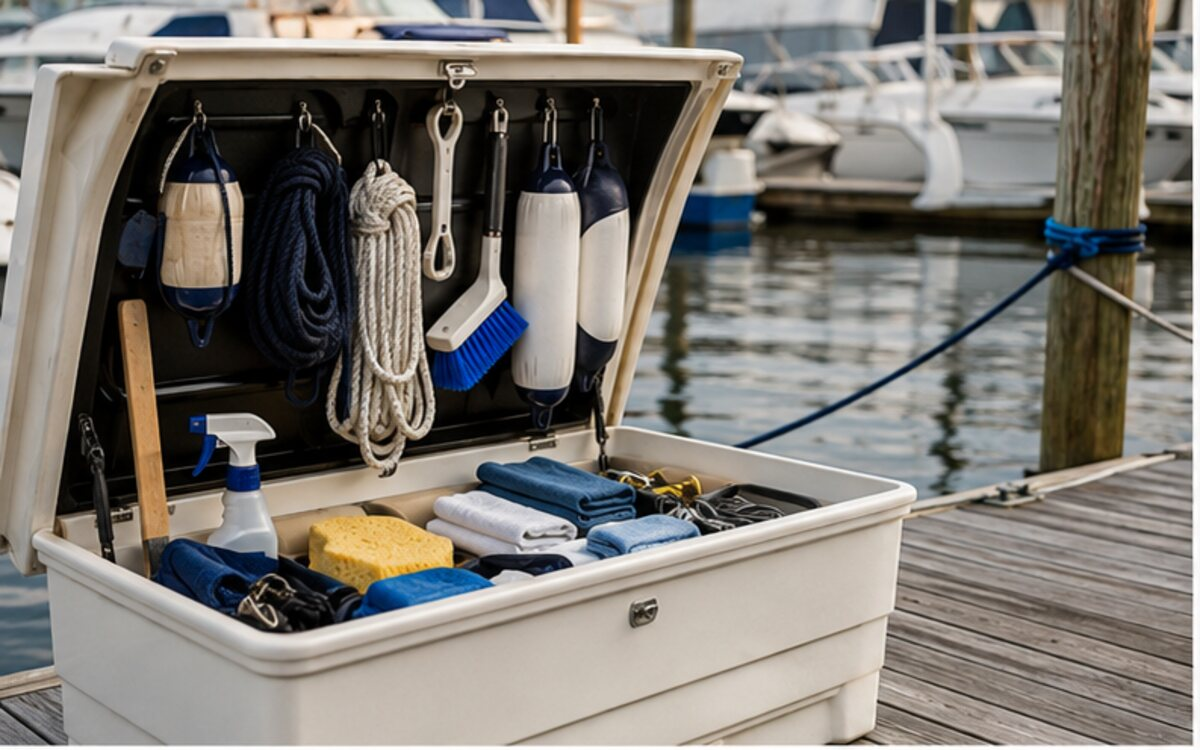
Open the neglected dock box and the marina’s climate appears in layers: a corroded shore-power adapter, stiff dock line, half-used wax, children’s sandals from two summers ago and one screwdriver that belongs to no known set. The problem is not mess. It is uncertainty. When a squall approaches, nobody should be digging past pool toys to find a sound line.
Give the box one job
The dock box should hold equipment used at the slip, too bulky to carry every trip and not so critical that it must remain immediately available aboard. Spare dock lines, hose, cleaning tools, selected electrical adapters and routine maintenance supplies fit that definition. Flares, required life jackets, vessel documents and emergency tools generally belong on the boat in appropriate accessible storage.
Before buying bins, write the mission on the lid’s underside: “mooring, cleaning, shore connection, departure support.” An item that serves none of those functions needs another home. This rule prevents the box from becoming overflow storage.
Start with marina rules and box condition
Confirm the marina permits a box of the proposed size and placement. It must not narrow the dock, block utilities, create a trip hazard or interfere with emergency access. Secure it according to marina requirements without damaging the dock. Ventilation and weather sealing matter; a box that traps water will destroy its contents quietly.
Inspect hinges, lid supports, latches and anchors. The lid should remain open without falling in wind and close without pinching fingers. A lock deters casual access but marina staff may need emergency arrangements. Never create a locked obstacle between responders and dock equipment.
Lines: the first priority
Store at least one serviceable spare dock line sized for the boat and slip, plus chafe gear appropriate to the marina. In storm-prone areas, maintain a complete heavy-weather line plan rather than a random long rope. Coil lines dry, label length and inspect splices, covers and stiffness.
A spare line in a damp pile is not ready. Use ventilated hooks or bins and keep line away from leaking chemicals. Replace severely chafed or contaminated rope. Old line can serve as a practice or utility line only after it is clearly marked so nobody trusts it with the boat.
Fenders and boarding aids
A spare fender, pump and correct inflation adapter can save gelcoat after a wind shift or rafting request. Store fenders clean and dry enough that mildew does not spread. Keep extra line attached only when it will not tangle the rest of the box.
Boarding steps, mats and handholds must be stable and marina-approved. Do not leave a loose household step where wake can move it. Children and older passengers expose poor boarding geometry immediately. The safest dock-box purchase may be the one that improves the step between dock and cockpit.
Water and washdown
Use a potable-water-rated hose when the hose may fill onboard tanks. Label it and keep fittings capped or clean. A separate utility hose can handle washdown. Add a quality nozzle, spare washers and only the adapters actually needed at the slip.
Drain hoses before storage and coil them without kinks. Standing warm water encourages growth. Do not place hose ends on the dock or in lake water before connecting to potable systems. A simple mesh bag keeps fittings together and allows drying.
Shore power without the mystery-adapter pile
Shore-power cords and adapters must match the boat, pedestal and applicable standards. Inspect blades, locking rings, cord jackets and connectors for discoloration, pitting, heat or looseness. A warm connector, burnt smell or repeated breaker trip requires investigation—not another adapter.
Keep approved components dry, protected and identifiable. Do not store a cord in standing water or use household extension cords for vessel shore power. The dock box is not an electrical workshop; damaged equipment should be removed from service and evaluated by a qualified person.

Cleaning supplies: fewer, safer products
Store a small set of boat-safe products in a leak-resistant secondary bin: mild wash, brush, microfiber cloths, glass cleaner approved for the surfaces and absorbent pads. Read labels before combining products. Keep chemicals away from line, life jackets and food equipment.
Marina runoff reaches the water. Use the least aggressive product that works and follow local environmental rules. Wax, solvents and fuel-related chemicals may belong in temperature-controlled shore storage rather than a hot box. Remove empty bottles instead of preserving them as evidence of good intentions.
Tools and spares
A dock-side tool roll can include screwdrivers, adjustable wrench, pliers, side cutters, utility knife, tape, flashlight, multimeter and spare fasteners used at the slip. Corrosion-resistant quality matters. Coat or store tools as appropriate and inspect them; a rusted adjustable wrench is extra ballast.
Keep engine-specific emergency spares aboard if failure underway requires them. The box can hold bulky service spares such as extra hose, filters or fluids when temperature permits, but maintain a written inventory. If nobody knows the correct belt is ashore, it will be purchased twice.
Safety gear: know the boundary
A dock box can hold spare personal protective equipment for maintenance—gloves, eye protection, knee pad—or an extra throwable line for dock use. Required vessel safety equipment belongs aboard in its prescribed accessible condition. Do not count a life jacket on the dock toward the boat’s inventory.
Keep a small first-aid kit at the slip only as a supplement to the boat’s kit. Check heat-sensitive supplies and expiration dates. The nearest extinguisher and emergency ladder should be identified to every regular user. Organization becomes safety when the crew knows where equipment is without opening five lids.

Family and comfort items
A labeled family bin can hold sunscreen, insect repellent, hats, inexpensive towels, dry shoes and a small selection of children’s dock toys. Check expiration and condition. Sunscreen cooked through repeated seasons may not provide the protection expected.
Do not store food in a dock box. Rodents, insects, heat and contamination make it a poor pantry. Avoid irreplaceable clothing or electronics. The family bin should make departure easier, not become the reason nobody packs properly.
The inventory card
Attach a laminated list with categories and minimum quantities. Photograph the final arrangement. Record line lengths, adapter types and spare part numbers. A QR code can point to a shared inventory, but a readable paper list still works when a phone is dead.
Use simple reorder marks. When the last washer or absorbent pad is used, add it to the list immediately. A dock box becomes reliable when any adult can restore it, not when one owner remembers every corner.
Spring commissioning and fall closeout
In spring, empty the box completely. Clean and inspect the shell, verify anchors, test the lid support and reject damaged contents. Wash line, service fenders and check electrical gear. Restock against the list rather than last year’s memory.
In fall, remove liquids that can freeze, heat-sensitive chemicals, batteries, electronics, fabrics and anything attractive to pests. Dry the box and leave ventilation consistent with marina conditions. A ten-minute fall inventory prevents opening mildew and exploded bottles in April.
What not to store
- Fuel, propane cylinders or flammable products not expressly permitted.
- Required safety gear that must be aboard.
- Food, valuables, documents or unprotected electronics.
- Wet life jackets or fabrics.
- Unknown chemicals and unlabeled fluids.
- Broken equipment saved “for parts” without a specific plan.
- Anything that blocks dock access when the lid is open.
The fastest improvement usually comes from removal. A half-empty box with known equipment is better than a full box that cannot answer a simple question.
A useful starter inventory
For a typical seasonal slip, begin with two labeled spare lines, chafe gear, one spare fender and pump, potable and washdown hose arrangements, a small approved electrical bin, cleaning caddy, dock tool roll, absorbent pads and a family-comfort bin. Add only what repeated use proves necessary.
The result should allow the crew to arrive, inspect the boat and leave without moving ten unrelated objects. If every departure still requires unpacking the box onto the dock, the storage system is not finished.
The final test
Ask another adult to find a twenty-foot line, potable-hose washer, flashlight and spare fender fitting. If the person opens one labeled area and succeeds, the system works. If the owner must provide a guided tour through layers, it is still a private memory palace.
Close the lid and walk the dock. The box should disappear into the marina’s function: secure, unobtrusive and ready. Good organization is not the visual pleasure of matching bins. It is the absence of delay when weather or equipment creates a real need.
Keep the dock box useful
Paid links: We may earn a commission when you purchase through the product links below, at no additional cost to you.
Affiliate disclosure: Nautical Dream may earn a commission from qualifying purchases made through marked retail links, at no additional cost to you. Recommendations remain editorially independent. As an Amazon Associate I earn from qualifying purchases.
Plano Marine Storage Box
A gasketed hard box keeps tools and emergency supplies together and protected from routine spray; add labels and inspect the seal rather than assuming it is submersible.
Check current priceSeachoice Double-Braid Nylon Dock Line
Pre-spliced double-braid nylon lines are convenient for routine dock use; choose diameter and length for the boat and carry enough lines for springs as well as bow and stern.
Check current priceTaylor Made Super Gard Boat Fender
A durable molded-vinyl fender family with several sizes for docks and rafting; confirm size and inflation before relying on it in rough conditions.
Check current priceChoose products by the exact boat, engine, battery, trailer and surface specifications. Manufacturer instructions take priority over a general recommendation.
Frequently asked questions
Should life jackets be stored in a dock box?
Required life jackets should be aboard the vessel, readily accessible and in serviceable condition. A dock-box spare does not count toward the boat's required inventory.
Can shore-power cords be stored in a dock box?
They can be stored dry and protected if marina rules allow, but inspect for heat, corrosion and damage. Remove suspect equipment from service.
How often should a dock box be inventoried?
Empty and inspect it at least during spring commissioning and fall closeout, with quick restocking checks throughout the season.