A classic runabout changes the speed of a dock. People who would walk past three new boats stop at the flash of varnished mahogany. Someone remembers an uncle’s Chris-Craft. A child looks through the low windshield and asks why the steering wheel is so large. The owner smiles, because this public theater is part of the bargain. The less visible part arrives after everyone leaves: wiping the bilge, checking seams and moving the boat under cover before weather reaches the finish.
The design was always about arrival
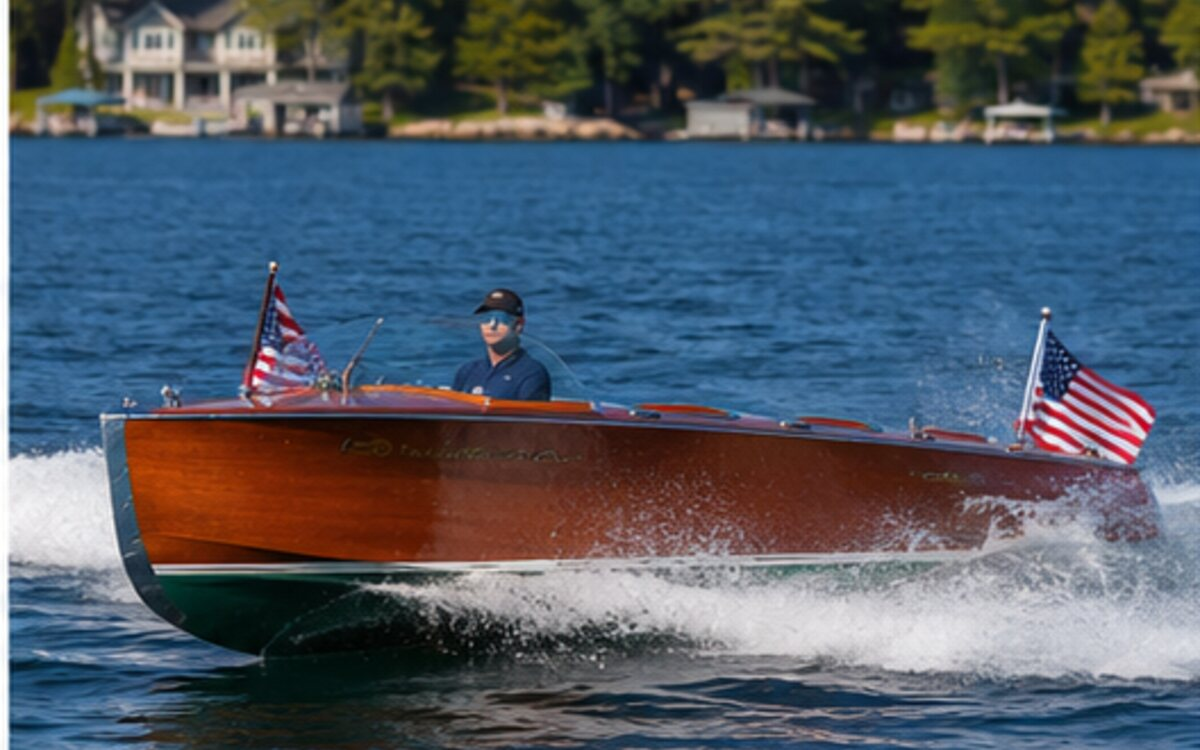
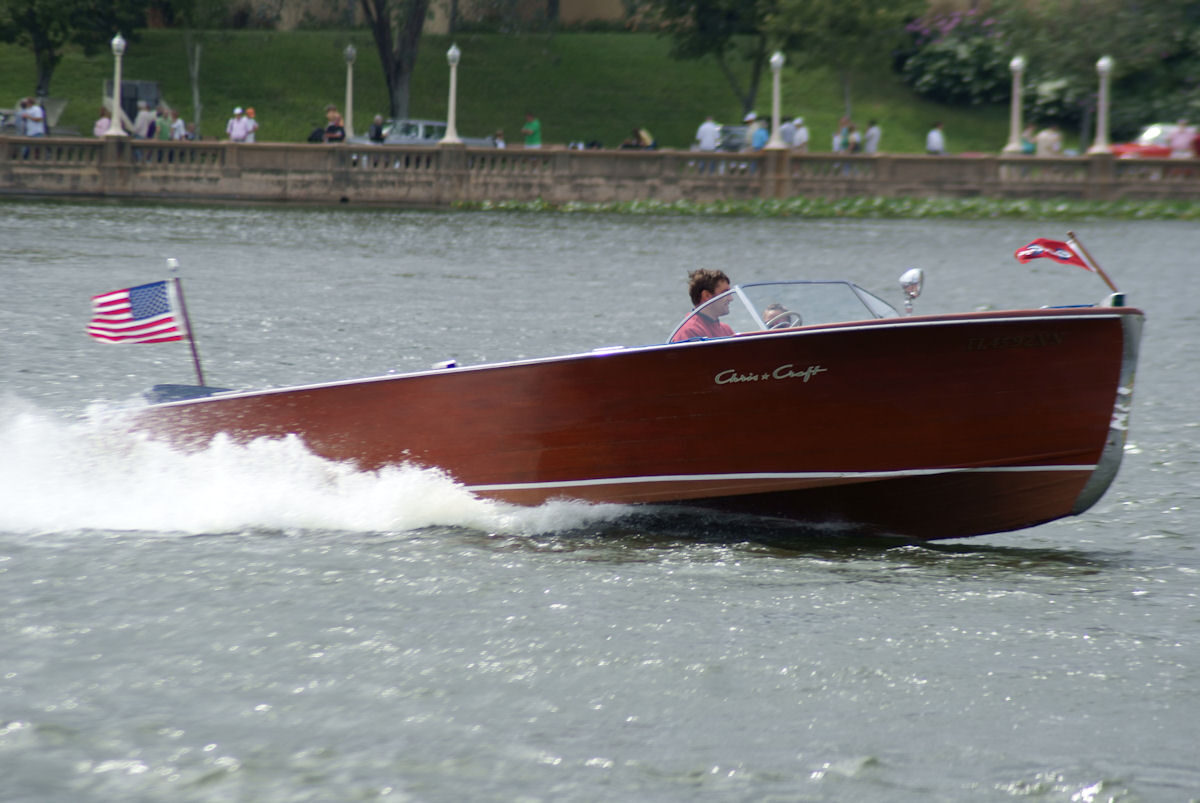
Classic American runabouts from Chris-Craft, Gar Wood, Hacker-Craft and other builders emerged when speed, leisure and industrial craftsmanship were becoming part of the same culture. Long foredecks, low windshields and curved transoms made the boats look fast while tied. Their proportions were not optimized for coolers, changing rooms or twelve cupholders. They were designed to turn a trip across the bay into an event.
That concentration is why the shape survives. Modern reproductions still use the visual language because it communicates occasion instantly. A sweeping sheer and uninterrupted deck create coherence that modular family layouts rarely attempt. The tradeoff is equally clear: boarding can be awkward, cockpit space is limited and the ride may be wetter or more physical than buyers expect.
What the experience feels like
The appeal is material. Varnish has depth because light travels through layers before returning. Chrome hardware changes with the sun. A narrow cockpit places passengers close to the engine note and water. At moderate speed, the long bow and low seating exaggerate the sensation of movement without requiring reckless velocity.
None of this makes an old runabout objectively superior. A modern bowrider is usually easier to board, quieter, more efficient and better at carrying a family’s equipment. The classic asks a different question: how memorable should thirty minutes on familiar water feel? For some owners, that emotional value is sufficient. For others, the limitations become irritating by the third trip.
A classic runabout is not a rational appliance. It is a machine for making an ordinary crossing feel ceremonial.
Original, restored or modern reproduction
An original boat carries period material and history, often with previous repairs that deserve close scrutiny. A restored example can combine authenticity with sound structure, but “restored” has no consistent technical meaning. Fresh upholstery and varnish may sit above tired frames. A modern reproduction offers classic form with newer power, wiring and construction, usually at a premium price and with less historical significance.
Documentation determines value. Restoration photographs, invoices, engine records and ownership history let a surveyor understand what was replaced and why. A glossy listing with no underside images, no fastener history and no explanation of storage should be treated as an invitation to investigate, not proof of quality.
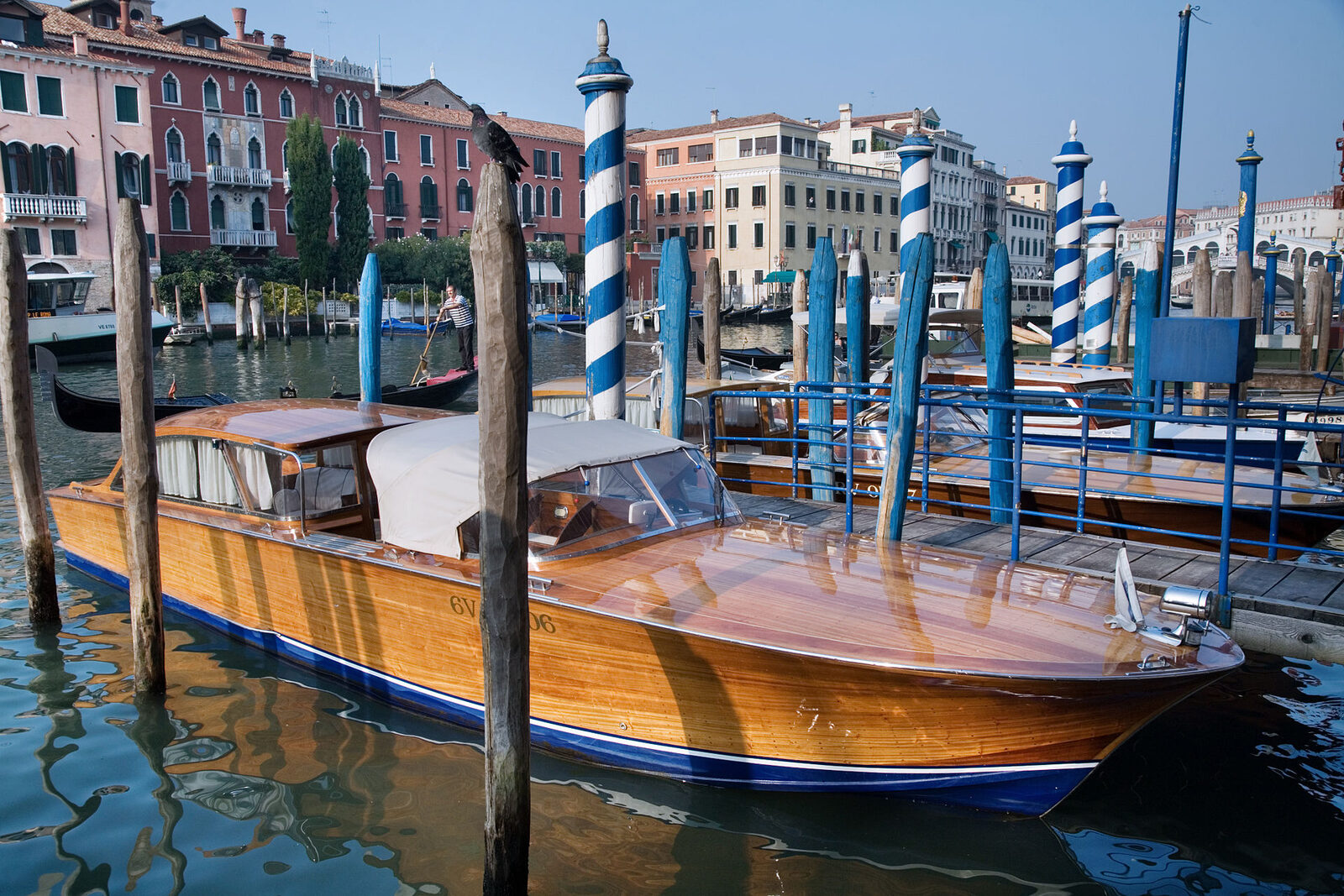
The survey must reach beneath the shine
Hire a surveyor experienced with wooden boats and the specific construction era. The inspection should address frames, planking, transom, keel, chines, fasteners, stem, engine beds, decks and evidence of water intrusion. Moisture readings require interpretation in wood; a number without construction knowledge can mislead.
Arrange haul-out and provide access. A seller who will not permit a meaningful structural inspection is asking the buyer to price uncertainty as confidence. Sea trial the boat after the survey. Watch how the bilge behaves, whether the engine reaches temperature and speed correctly, how steering loads up and whether seams change after use. Cosmetic perfection cannot compensate for a moving engine bed or deteriorated fasteners.
Purchase price is the smallest easy number
Classic runabouts span from project boats priced like used cars to documented concours restorations priced like real estate in some markets. The acquisition number alone is nearly meaningless. Transport, storage, survey, insurance, launch service and immediate corrections establish the true entry cost. A cheap boat that needs a bottom, frames and engine work can exceed the price of a sound example before producing one reliable weekend.
Create three budgets: purchase, first-year stabilization and annual ownership. Keep a contingency for hidden structure. Restoration yards bill for skilled labor and time; owners who can perform finish work may save money, but structural and mechanical tasks still demand judgment. The boat should not consume the family’s entire boating budget before fuel.
Varnish is a system, not a miracle product
Beautiful varnish comes from preparation, compatible coatings, controlled dust, correct film build and timely maintenance coats. Waiting until the finish fails exposes wood and turns routine care into stripping and rebuilding. UV is relentless. Covered storage and fitted canvas buy more life than arguing online about brands.
Inspect high-wear edges, deck seams, hardware bedding and areas where water lingers. Repair small breaks before they spread. Use cleaners and methods appropriate to the finish; aggressive household chemicals can cloud or soften it. The owner does not need to worship the boat after every ride, but must notice changes before they become restoration projects.
Water, ventilation and the bilge
Wood moves with moisture. Some traditional hulls take up after launching; others should not be allowed to dry excessively. The correct handling depends on construction and restoration method. Get guidance from the surveyor or yard rather than repeating general folklore. A boat taking on water faster than the bilge system and supervision can manage is not “normal wooden-boat behavior.”
Ventilation prevents trapped moisture and mildew. Bilge pumps, float switches, batteries and alarms need inspection, but pumps do not replace a sound hull. After each use, check for changes in water ingress, oil, fuel odor and loose debris. A small observation recorded early can prevent an expensive season later.
Engines, fuel and electrical safety
Original engines add character and historical value. They also introduce old fuel systems, ignition components, cooling passages and wiring that may not meet modern expectations. Upgraded power can improve reliability but affect authenticity, weight, shaft angle and value. The best solution is coherent: engine, controls, exhaust, fuel and electrical work designed together.
Use marine-rated components and proper ignition protection where required. Inspect fuel hoses, tanks, vents, clamps, extinguishers and blower operation. Carbon monoxide deserves serious attention in any gasoline inboard. A quiet vintage engine note is not evidence that exhaust gases are leaving the cockpit safely.
Storage decides the ownership experience
Covered, ventilated storage is the single most important prerequisite for many classic runabouts. Outdoor covers can trap moisture or abrade finish. Indoor space needs air movement and support appropriate to the hull. Winterization must protect engine, plumbing and batteries without letting the wood suffer from poor environmental control.
Before buying, identify the exact building, trailer or rack arrangement and who will move the boat. Some yards love classics; others tolerate them reluctantly. A capable specialist within reasonable distance is worth more than a slightly lower purchase price several states away.
Family use: delight and limitations
Children often respond immediately to a classic because it feels different. The low cockpit and engine sound turn a short ride into a story. Families should also confront the limitations: fewer handholds, limited shade, difficult boarding and little protected storage. Everyone needs a fitted life jacket and a clear seating rule before acceleration.
Use the boat for the trip it does well. A sunset cruise, boat-show run or lunch across protected water fits the character. Forcing it to carry every tube, stroller and beach chair creates frustration and damage. Some families pair a classic with a practical second boat or keep destinations modest. That is not failure; it is using equipment honestly.
The preservation argument
Stewardship does not mean freezing a boat in time. Safety upgrades, discreet electronics and reliable mechanical work can keep it operating. The question is whether changes respect significant original material and remain documented. Cutting rare hardware or structure for a fashionable accessory may harm value and history.
Join a marque club, antique-boat chapter or museum community. Owners share parts knowledge, yard recommendations and model-specific warnings that general forums miss. The Antique Boat Museum in Clayton and regional shows offer the chance to compare restoration quality in person. Ten minutes looking beneath several boats can teach more than a week of listing photos.
A disciplined buying plan
- Ride in several hull sizes and cockpit layouts.
- Choose original, restored or reproduction based on actual goals.
- Secure storage and service before shopping seriously.
- Review documentation and commission a wooden-boat survey.
- Sea trial from cold start through operating temperature.
- Budget first-year corrections and keep a contingency.
Most important, buy the best structure and history the budget allows. Upholstery can be replaced. A varnish coat can be renewed. Poor restoration buried behind cosmetic work is much harder to unwind.
Why they still matter
Modern boating is full of defensible improvements: quieter engines, better life jackets, precise navigation and layouts that help more people enjoy the water. Classic runabouts remind the industry that measurable utility is not the only kind of value. Shape, sound and craft can change how a person experiences a familiar lake.
That lesson matters even for owners who never buy wood. A boat can be chosen for the quality of an hour, not the number of features packed into it. The responsible classic owner preserves both the object and the occasion, accepting that beauty survives only through attention.
Frequently asked questions
Are classic wooden boats expensive to maintain?
They can be. Covered storage, finish maintenance, specialist labor and structural repairs create higher costs than many modern fiberglass boats. A sound, documented boat is usually less expensive than a cheap project.
Do wooden boats always leak?
Traditional construction may take up after launch, but acceptable behavior depends on the hull and restoration method. Rapid or increasing water ingress requires expert investigation.
Should a classic runabout keep its original engine?
Original power can add historical value, while a coherent modern repower may improve reliability. Survey, documentation and the owner’s preservation goals should guide the decision.