Lake George looks easy on a chart: a long, clean ribbon of Adirondack water with villages at the ends and islands in the middle. The trap is treating that shape like an invitation to cover everything. The lake becomes far more satisfying when the crew chooses a home basin, leaves the dock before the wake traffic builds and keeps one flexible afternoon for weather. The successful weekend is measured in unhurried swims and clean dockings, not miles recorded on the plotter.
Why this lake has always drawn boaters
Long before fiberglass bowriders filled the southern basin, Lake George was a strategic corridor between the Hudson and the St. Lawrence watersheds. Indigenous travel routes, colonial forts and nineteenth-century steamships all used the same north-south geography that shapes a modern cruise. Fort William Henry at the south end and Fort Ticonderoga beyond the north end explain why this apparently recreational lake appears so often in early American history.
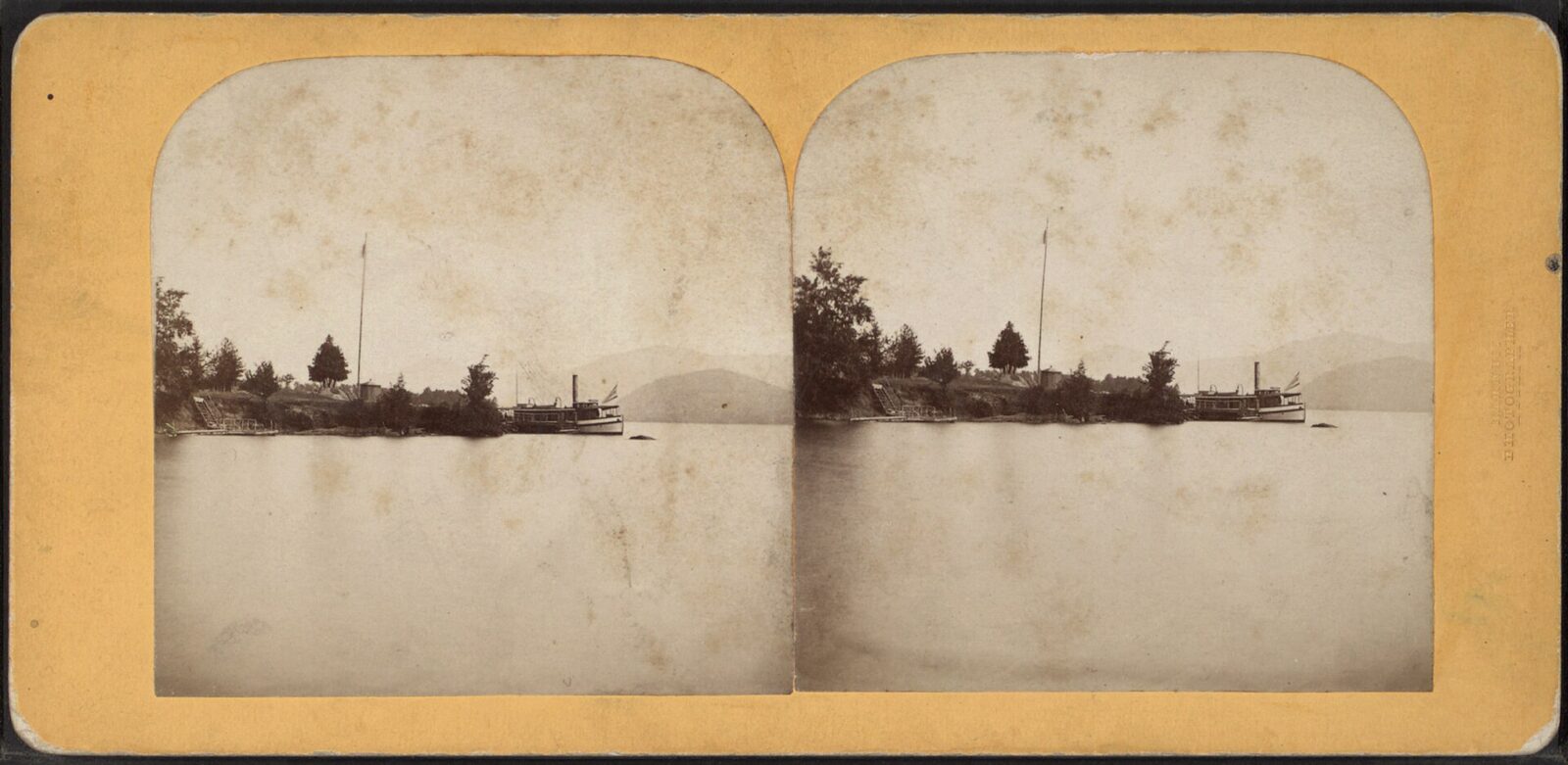
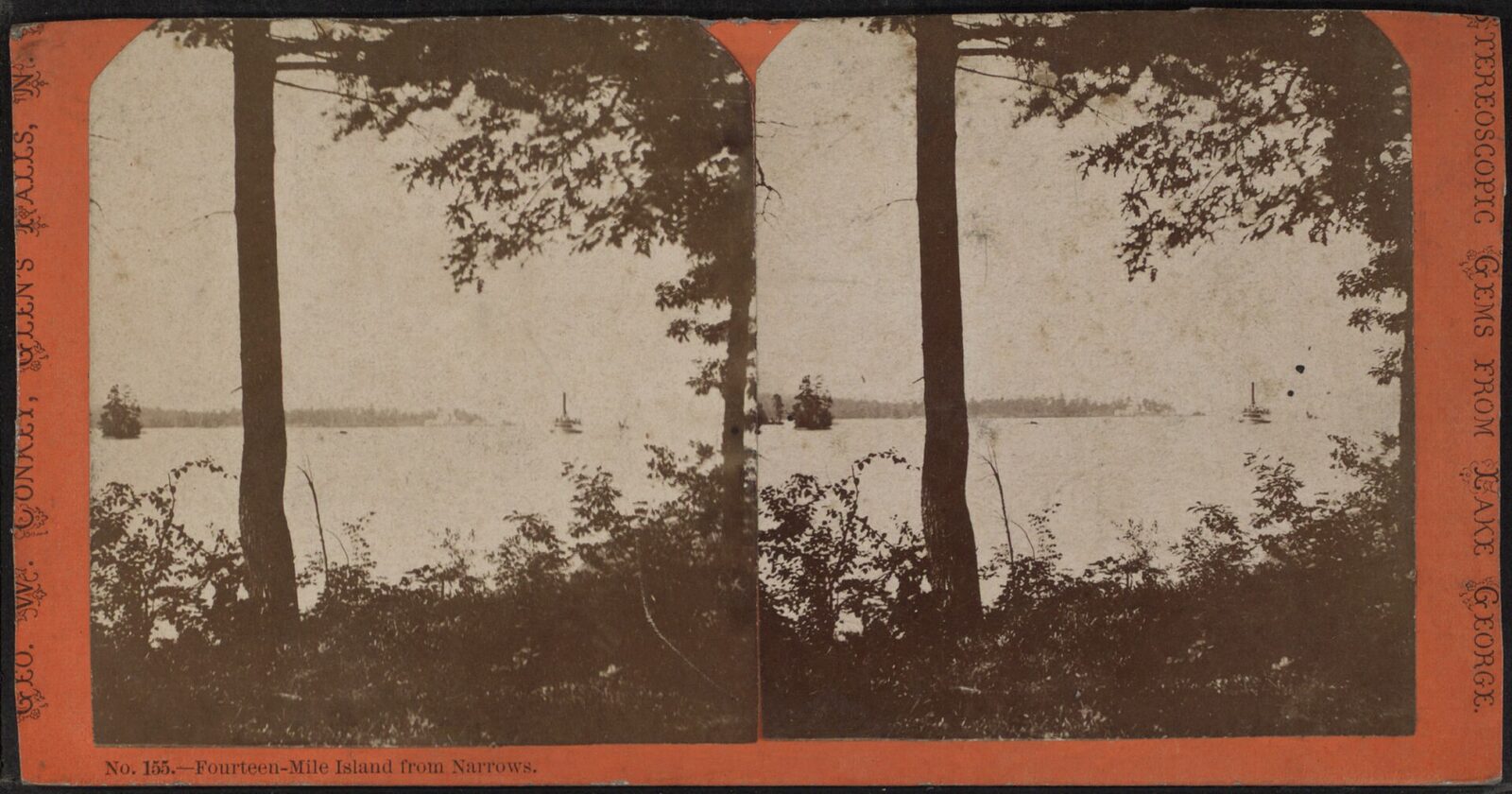
The grand hotels and steamboats that followed changed the shoreline, but the essential appeal survived: cold clear water, mountain walls and an island chain that makes a small boat feel as though it is exploring. Knowing that history changes the way the shoreline reads. A stone foundation, an old boathouse or a broad hotel lawn is not simply scenery; it is evidence of nearly two centuries of people arriving by water.
Choosing the right home base
Lake George Village is convenient for large launches, lodging, attractions and an evening that does not end when the dock lines are tied. It is also the busiest water, with tour boats, rentals and concentrated wake traffic. Bolton Landing is the more balanced choice for many visiting families because the Narrows and island groups are close, restaurants are walkable and the next morning’s cruise starts in interesting water. Hague and the northern lake suit crews who value quiet coves over a long restaurant list.
Book lodging around the boat, not the reverse. Ask whether trailer parking is included, whether the launch can handle your tow vehicle at low water, how late the fuel dock operates and whether overnight dockage is protected from the prevailing wind. A cheap room becomes expensive when the trailer must be stored miles away and every morning begins with a ramp line.
Arriving and launching without losing the morning
Approach the lake with the boat completely rigged before reaching the ramp lane. Lines, fenders, drain plug, navigation lights and life jackets should be ready in the staging area. Summer queues punish the crew that uses the ramp to load coolers and discuss seating. Motorized boats may be subject to Lake George Park Commission registration, inspection or launch requirements, so confirm the current rules before towing north.
After launch, idle into open water and conduct a deliberate check: cooling-water telltale, bilge, steering, trim, radio, chart source and fuel reading. The first five minutes are not the time to accelerate toward the islands. If the boat will remain in a slip, inspect dock lines for chafe and leave enough spring-line control for wakes. The south basin can stay busy well after dinner.
The island route worth building a day around
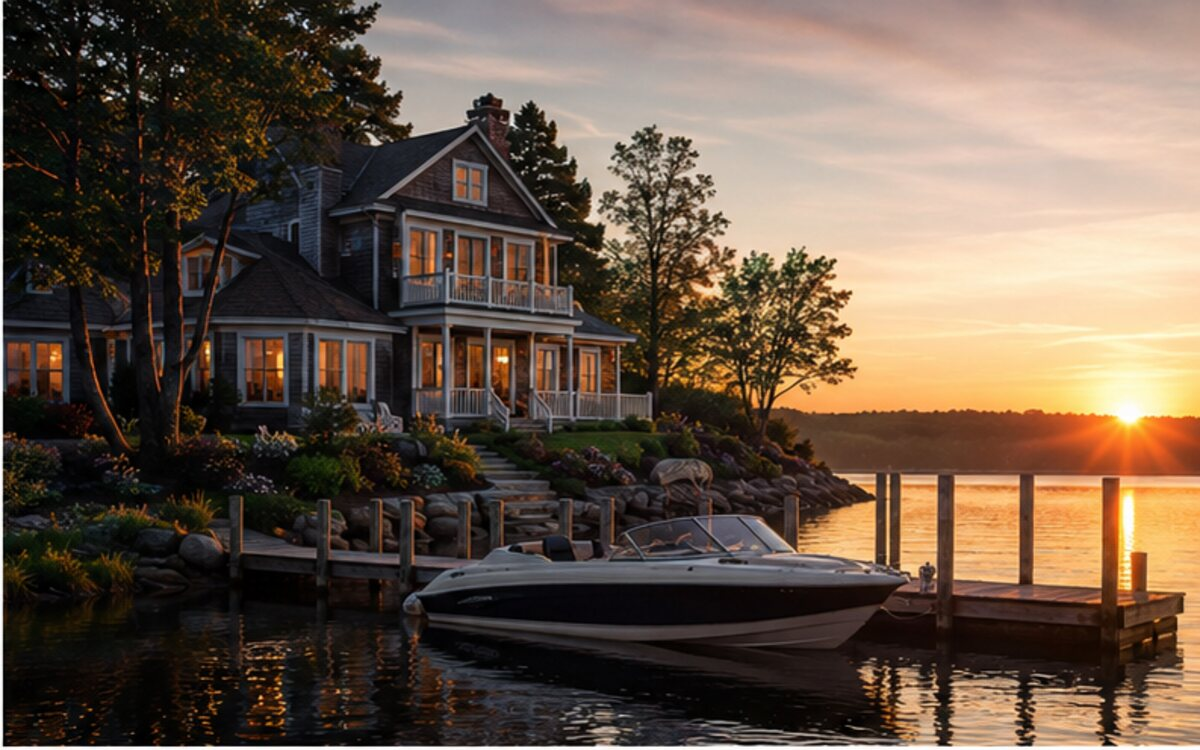
The Narrows provide the classic Lake George experience: wooded islands, changing mountain views and short decisions that keep the helm engaged. The route is not a license to cut between every patch of land. Shoals, private docks, paddlers and swimmers compress the usable channel, and boat traffic can make blind corners uncomfortable. Use the current chart, respect markers and slow before the situation demands it.
Choose one legal island landing, picnic area or swimming objective rather than trying to touch six. New York’s island campsites and day-use rules can be seasonal and reservation-specific. A crew that arrives with food, shade and a second-choice stop will have a good day even if the preferred dock is occupied. A crew depending on one open grill and one vacant dock will spend the afternoon circling.
Anchorages and swimming water
Shelving Rock Bay and protected pockets around the island groups are familiar names, but protection changes with wind direction and traffic. Set the anchor based on the bottom, depth and room to swing—not on the fact that other boats are already there. Confirm the hook by backing down gently, take two visual bearings and watch how wake-driven motion changes the distance to nearby boats.
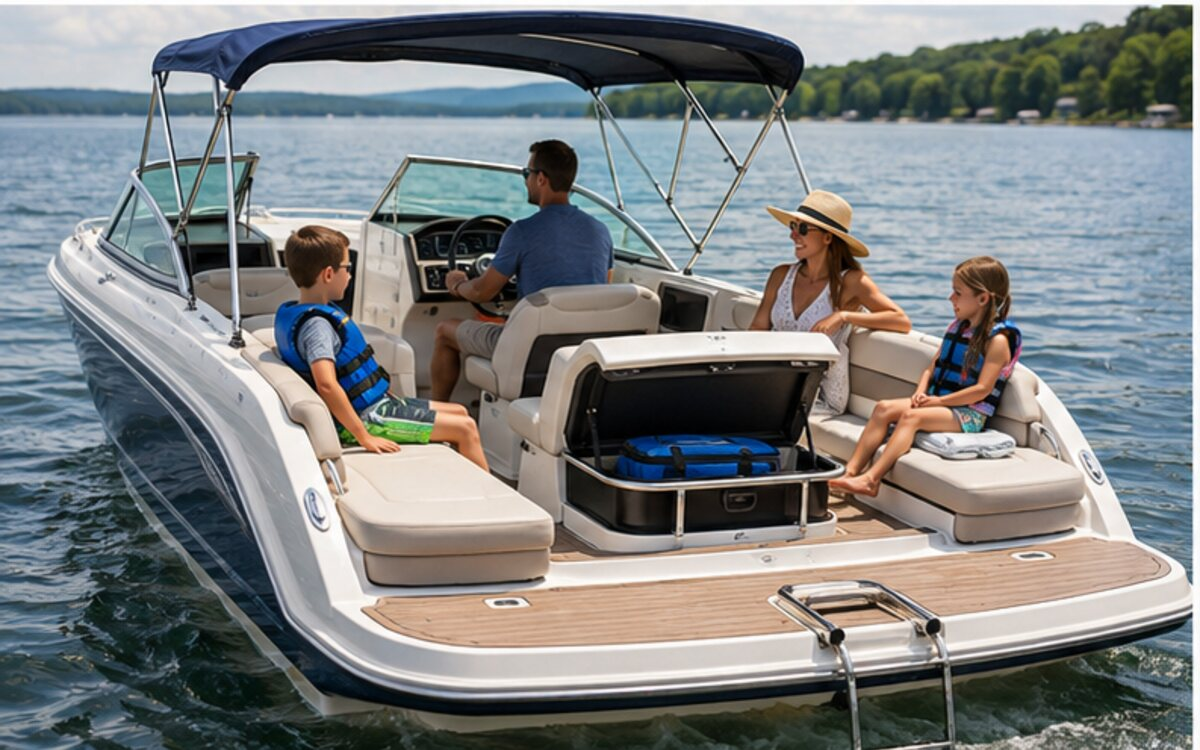
For a family swim, shut down the engine, remove the key, deploy a visible float if appropriate and put one adult in charge of the water rather than the music or lunch. Deep, clear water can make distance deceptive. Children should wear properly fitted life jackets on deck and around unfamiliar shorelines. A stern ladder is useless if it cannot be deployed by someone already in the water, so test it before the first swim.
Docks, marinas and fuel
Public and commercial dockage is concentrated near Lake George Village and Bolton Landing, with additional services around the lake. Transient spaces may be first-come, time-limited or reserved for restaurant customers. Call before committing to a meal stop and ask exactly where a visiting boat should wait. Do not hover in a fairway while passengers study the shoreline.
Fuel planning matters more than the number of marina icons on a phone. Hours contract outside peak season, some docks do not carry every grade and a strong north-south run consumes more fuel than casual cove hopping. Start the weekend full, identify a backup fuel stop and turn home with a conservative reserve. Waterborne fuel prices are normally higher than roadside prices; the convenience is worth budgeting for, not being surprised by.
Eating well without making lunch the mission
Bolton Landing offers the most useful combination of boating access and a walkable meal. The Algonquin remains the name many crews associate with arriving by water, while Blue Water Manor’s Tavern on the Lake is another familiar north-basin destination. In Lake George Village, waterfront choices sit amid heavier traffic and limited dock turnover. Availability and operating details change, so call before leaving a comfortable anchorage.
The better system is a two-level lunch plan: enough cold food aboard for everyone, plus one restaurant option if dockage and weather cooperate. That turns a waterfront table into a pleasure rather than a hostage situation. Bring a few trash bags and remove every scrap from an island or cove. Food waste that seems harmless changes wildlife behavior and leaves the next crew with the wrong impression of boating culture.
Weather and water conditions
Lake George’s mountain walls create both beauty and misleading shelter. The marina can be quiet while whitecaps build several miles away, and a thunderstorm hidden by terrain can arrive with very little theatrical warning. Check a point forecast before departure, then keep reading the sky, wind streaks and temperature. Radar is a planning aid, not permission to wait until rain begins.
Morning water is usually the premium product. By afternoon, southwest or north winds can stack uncomfortable chop along the lake’s length, and dense wake traffic adds short, irregular waves in the Narrows. Small runabouts should shorten the route early. When everyone aboard begins bracing instead of looking around, the outing has already lost quality. Slow down, redistribute weight if appropriate and head for the protected side before a manageable ride becomes a wet retreat.
Navigation hazards and local etiquette
The most common hazard is not a dramatic rock; it is the closing speed between boats in constrained water. Tour boats, rentals, paddlers, anchored swimmers and experienced locals share narrow routes. Hold a predictable course, reduce wake well before docks and do not assume another operator understands your intention. Navigation lights belong on before visibility deteriorates, not after another boat becomes hard to see.
Rocky shorelines and abrupt depth changes make casual shortcuts a poor bargain. Use official aids to navigation and current charts, but keep looking outside. The plotter shows where the boat is supposed to be; floating debris, swimmers and a boat drifting from anchor exist in the present moment. Noise carries far across still water, especially at night. A quiet anchorage is not improved by sharing one cockpit’s playlist with the entire bay.
Families, wildlife and rainy-day alternatives
Children do best with short legs and specific events: island picnic, swim, ice cream, fort, home. Pack warm layers even in July, because wet children cool quickly during an evening run. The village offers attractions when the lake is rough, while Fort William Henry and Fort Ticonderoga give the trip historical weight. A weather day does not need to become a failed boating day.
Watch for loons and other waterbirds at a respectful distance. Wakes near nesting shoreline do real damage, and approaching for a phone photo usually produces a worse image than waiting quietly with a longer lens. Deer and small mammals may appear near less developed shores. Do not feed them. The hidden pleasure of an early cruise is hearing the lake before engines dominate it.
Best months, costs and overnight strategy
Late June through early September provides the warmest water and fullest service schedule. July and August bring crowds and premium lodging rates. June can offer quieter docks with cold water; September often delivers excellent visibility, cool nights and reduced weekday traffic, but marina hours begin to contract. Columbus Day color can be spectacular and unforgiving if a cold front catches an underdressed crew.
For a trailer-boat weekend, budget beyond the room: launch or permit fees, trailer parking, two days of fuel, ice, dockage, meals and a weather cancellation margin. Waterfront lodging with a protected slip often costs more but can return hours otherwise spent launching and retrieving. Island camping is a different experience and requires reservations, weather-ready gear and a serious plan for food, sanitation and cold nighttime conditions.
A realistic two-day itinerary
Saturday: Launch before 9 a.m., complete the boat check and cruise toward the Narrows while the surface is still clean. Pick one island or protected-bay stop, eat lunch aboard and make a Bolton Landing dock only if space is confirmed. Return before the late-afternoon rush, refuel if necessary and let the evening happen on shore.
Sunday: Choose a shorter route in the opposite direction from Saturday. Photograph the shoreline in early light, make one family stop and be back at the dock with enough time to retrieve the boat without a deadline hanging over every decision. If the forecast is marginal, swap the days: make the long run in the better weather. The itinerary serves the lake, not the calendar.
Don’t miss—and the insider habits that matter
Don’t miss: one quiet morning in the Narrows, an island picnic with no reservation beyond the weather, and the changing mountain layers visible on the northbound run. The famous stops are enjoyable, but the lake’s strongest moment is often the ten minutes after the engine is shut down.
Insider habits: fill the tank the evening before; put a sweatshirt for every passenger in one dry bag; call dockside restaurants before leaving; save an offline chart; and leave the busiest basin before midday. Most important, give the captain permission to cancel a distant objective. Lake George will still be there next weekend. A crew that returns warm, fed and unhurried will want to come back.
Frequently asked questions
Where is the best place to launch for a first Lake George trip?
Lake George Village is convenient for the south basin, while Bolton Landing places a visiting crew closer to the Narrows and island groups. The best choice depends on trailer parking, ramp capacity and the wind forecast; confirm current access and permit rules before arrival.
Can you anchor overnight on Lake George?
Overnight options are controlled by location, property status and current rules. Do not assume a pleasant cove permits overnight anchoring. Use designated camping or marina facilities and verify Lake George Park Commission and New York State requirements.
Is Lake George suitable for a small boat?
Yes in appropriate weather, but the lake can build steep chop and heavy wake traffic. Small-boat crews should favor early starts, conservative routes and immediate weather turnarounds.