The fantasy begins at the destination: coffee in a quiet cockpit, children jumping from the swim platform, dinner reached by dock. The real trip begins three days earlier with a fuel filter, a marina call and a weather forecast that no longer resembles the one that inspired the booking. Planning is not the enemy of escape. It is the work that lets the crew relax once the lines come aboard.
Define what the trip is for
Choose the primary experience: cruising miles, family swimming, visiting towns, fishing, restaurants or sleeping aboard. A two-day weekend cannot maximize all of them. Rank three priorities and let everything else remain optional.
Then define the crew’s tolerance. A captain may enjoy four hours of open-water running; a six-year-old may not. Overnight comfort, motion sensitivity and bathroom needs shape the route more than speed. A trip designed for the most enthusiastic adult can lose the rest of the family before the first dinner.
Choose water that fits the boat
A small bowrider belongs on a protected-lake itinerary with secure shore lodging, not an exposed coastal schedule dependent on perfect weather. A cruising boat with radar and a cabin can accept more conditions, but the crew still needs training. Match freeboard, fuel range, sanitation, electrical capacity and overnight systems to the route.
Look for destinations with layers. Lake George offers islands and towns; Newport combines harbor and city; the Erie Canal supplies frequent walls and villages. When one activity fails, the destination should still work.
The planning order matters
- Confirm boat and crew capability.
- Choose the water and season.
- Identify safe primary and alternate harbors.
- Reserve dockage or mooring.
- Book lodging and shore activities.
- Refine route, fuel and meals near departure.
Booking a non-refundable room before confirming a place for the boat reverses the logic. So does buying attraction tickets before the marine forecast enters a useful window. Protect the scarce resource first: a safe berth.
Dockage, lodging and the walkability test
Ask the marina about depth, exposure, fuel, pumpout, shore power, bathrooms, parking, launch service and late arrival. Confirm the cancellation policy and whether a “waterfront room” includes any boat access. A hotel dock may accept only small boats or daytime loading.
Use a map to measure the shore day. A marina two miles from restaurants without taxis is not walkable. A mooring requires launch hours or a dinghy plan. The most expensive berth can be the best value when it eliminates vehicle moves and gives the crew a secure return after dinner.
Route, fuel and reserve
Build each leg with distance, expected speed, no-wake time, current or wind effect and fuel burn. Add reserve and identify a confirmed backup fuel source. A straight-line app estimate ignores channels, shoals and sightseeing detours.
Share the route with someone ashore and with a second adult aboard. Mark bailout points. Save charts and reservations offline. The plan should answer three questions without internet: Where are we going? Where do we stop if conditions worsen? How much fuel remains after returning?
Weather gets a vote every day
Use the appropriate marine or lake forecast, radar, wind and hazard products. Check the trend for several days but make route decisions close to departure. A weekend can still proceed when the boat day shortens; separate “trip canceled” from “long route canceled.”
Create thresholds before emotion enters. Examples include maximum forecast wind for the boat, no departure with thunderstorms along the route, and a requirement to reach the final harbor before dark. Written limits prevent a paid reservation from negotiating with safety.
Boat readiness one week out
Check engine fluids, batteries, charging, bilge pumps, navigation lights, steering, fuel, safety gear, VHF, charts and trailer. Run systems under load. Refill spares and replace expired equipment. If the boat has not completed a normal day recently, take a local shakedown before departure.
Do not install major electronics or perform an uncertain repair the night before. New work needs test time. A clean, fueled boat with familiar equipment is a stronger trip platform than a last-minute upgraded boat.
Pack by system, not person
Use labeled bags: safety and documents, foul weather, children, food, overnight, shore clothes and maintenance. Put one complete dry change and warm layer for every person in a waterproof container. Keep medication, identification and keys protected and accessible.
Weight and volume matter. A cabin filled with loose luggage cannot function as shelter. Choose soft bags that fit known spaces. Make children responsible for one small bag, not a rolling suitcase incompatible with a boat ladder.
Food: two plans for every meal
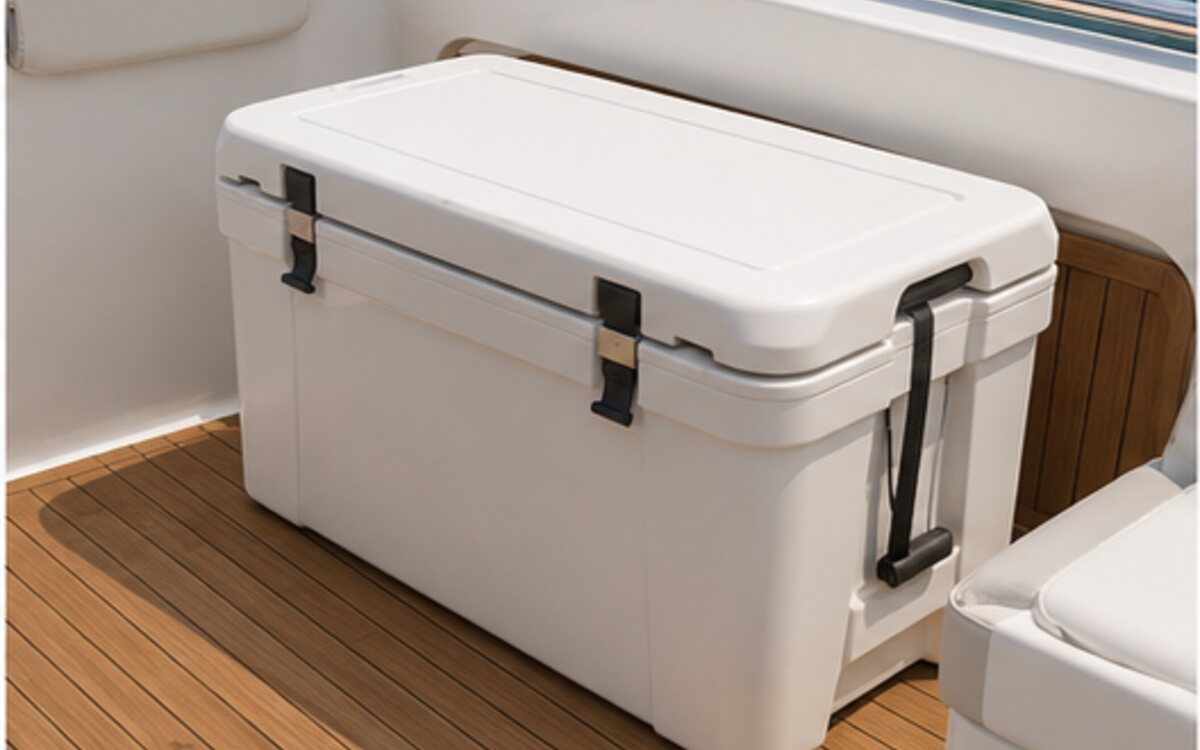
Carry enough food and water to skip a dockside meal. Then reserve one or two restaurants that materially improve the trip. This creates flexibility when docks are full or weather shortens the run. Separate a frequently opened drink cooler from protected meal storage on longer trips.
Choose food that works in motion and heat. Avoid elaborate preparation during the hardest navigation leg. Keep trash contained and remove it from islands or anchorages. A hungry crew makes poor dock decisions; a provisioned crew can wait.
Family pacing
Give each day one water objective and one shore objective. Swim and town. Cruise and museum. Long run and early dinner. Children need movement after being seated, while adults need time to handle the boat without an audience demanding immediate entertainment.
Build a quiet hour after arrival. The captain checks lines and power; the crew showers or explores nearby. A schedule that goes directly from difficult docking to a timed reservation creates conflict. Empty time is not wasted itinerary—it is recovery.
Costs that hide outside the booking
List fuel, launch, trailer storage, slip or mooring, lodging, pumpout, ice, meals, attractions, taxis and weather-related change fees. Add a repair or contingency amount. A distant cheap hotel can create ground transportation costs and lost time.
For a seven-day cruise, include one marina night beyond the minimum for laundry, water, charging and crew comfort. Anchoring every night may save money but can make the trip feel like continuous work for a new crew.
The seven-day cruise rhythm
Day one should be a shakedown leg, not the longest. Days two and three can extend. Day four benefits from a short run or shore day. Keep day five flexible for weather. Begin moving toward the home side before day seven so the final morning is not hostage to distance.
This rhythm is intentionally conservative. Mechanical issues and fatigue usually appear after the novelty. A rest day lets the crew catch up on water, charging and sleep. The goal is to finish wanting another week.
The two-day weekend rhythm
Launch or arrive Friday evening only if daylight and staffing allow; otherwise begin early Saturday. Make Saturday the primary water day. Secure the boat with time to enjoy shore. Sunday’s route should be shorter and close to the retrieval point.
Do not leave the best swimming stop for Sunday afternoon when checkout and trailer traffic already press the schedule. End with margin. A calm retrieval protects the boat and the memory of the trip.
What usually goes wrong
The berth is not what the owner imagined. The fuel dock closes early. A child gets cold. The wind rises against the return leg. The head stops working. None is exotic. Each becomes manageable with a call, spare layer, alternate route or simple repair kit.
The harder failure is commitment to the original plan. Captains continue because money was spent or family expectations were set. State the alternate before leaving and celebrate using it. Good trips are edited in real time.
The departure briefing
Show the crew life jackets, extinguishers, VHF, first aid, emergency engine stop, head operation and movement rules. Assign lines and fenders. Explain that the captain may change the plan for weather without a vote. Keep the briefing short enough to remember.
Share contact, reservation and float-plan information with someone ashore. Confirm the second adult can start, stop and steer the boat. Escape becomes real when responsibility is distributed.
The final planning rule
Reserve one place, plan one route and preserve one empty block of time. The boat will supply more experience than the schedule can contain. A harbor at sunset, an unexpected swim or a conversation with another captain may become the best part of the trip.
The purpose of planning is not control. It is to make room for the water to change the plan without ruining it.
Frequently asked questions
How far should a family boat travel in a weekend?
Only far enough that the return remains comfortable in the expected weather and the crew still has time ashore. One primary leg and a shorter second day usually work better than maximum mileage.
Should dockage or lodging be booked first?
When the boat is central to the trip, confirm safe dockage or mooring first, then book lodging that supports it.
What makes a good alternate plan?
It should be safe in the forecast conditions and genuinely enjoyable—such as a protected bay, harbor day or shore attraction—not merely a place to wait.