Lake Champlain has the scale to rearrange a plan. The shoreline may sit in sunlight while a dark band of wind crosses the Broad Lake, and the Adirondacks can look close enough to touch while the western harbor remains a serious run away. That is exactly why the lake is compelling. With Burlington as a base and a route built around the day’s forecast, a weekend can include city docks, quiet bays, lighthouses and the feeling of a much longer cruise.
A lake shaped by war, trade and travel
Lake Champlain served Indigenous communities for thousands of years before becoming a contested corridor between French, British and American forces. Forts at Crown Point and Ticonderoga guarded the southern passage; naval battles and commercial traffic later reinforced the lake’s strategic role. The Champlain Canal connected it to the Hudson River, while the Richelieu River leads north toward the St. Lawrence.
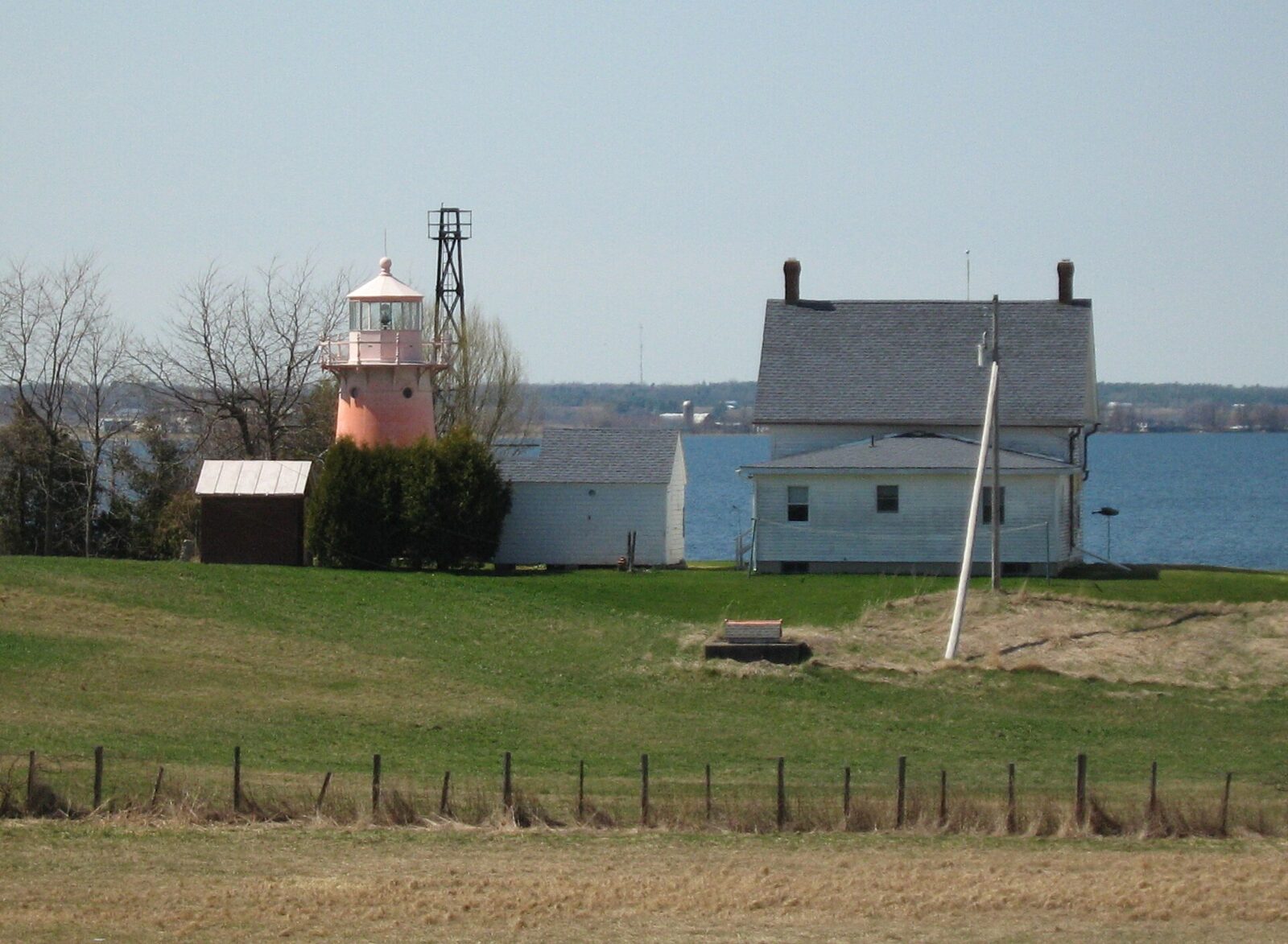
That history is visible from a boat. Lighthouses, breakwaters, old industrial waterfronts and broad agricultural shorelines belong to different chapters of the same route. The region’s famous lake-monster legend, “Champ,” is fun at the dinner table, but the real mystery is how quickly the lake can change character from protected bay to open-water passage.
Where a first-time crew should base
Burlington is the practical introduction: marina services, a substantial breakwater, restaurants and city attractions within walking distance. It is also exposed to conditions on the Broad Lake once outside the harbor. Shelburne Bay provides a more sheltered boating focus south of the city. Across the lake, Plattsburgh and New York marinas create alternate bases for crews arriving from the west.
Farther south, Westport, Essex and the Crown Point region suit a slower historic itinerary. Do not book the cheapest slip until understanding its exposure. Ask the marina which wind creates surge, whether fuel and pumpout are available, and what the after-hours arrival procedure requires.
Arriving by lake, canal or trailer
Canal travelers approaching from the Hudson must account for Champlain Canal locks, bridge clearances and the transition from protected canal water to the lake. Northern travelers entering through Canada face border-reporting requirements. Trailer boaters have launch options on both shores, but invasive-species inspections, parking and ramp depth deserve advance confirmation.
Before leaving the launch, check bilge, cooling water, steering and radio, then listen to the Lake Champlain recreational forecast. The National Weather Service in Burlington issues a forecast specifically for the lake during much of the boating season, dividing the water into regions. That product is far more useful than a generic app showing a sunny icon over Burlington.
Bays and anchorages
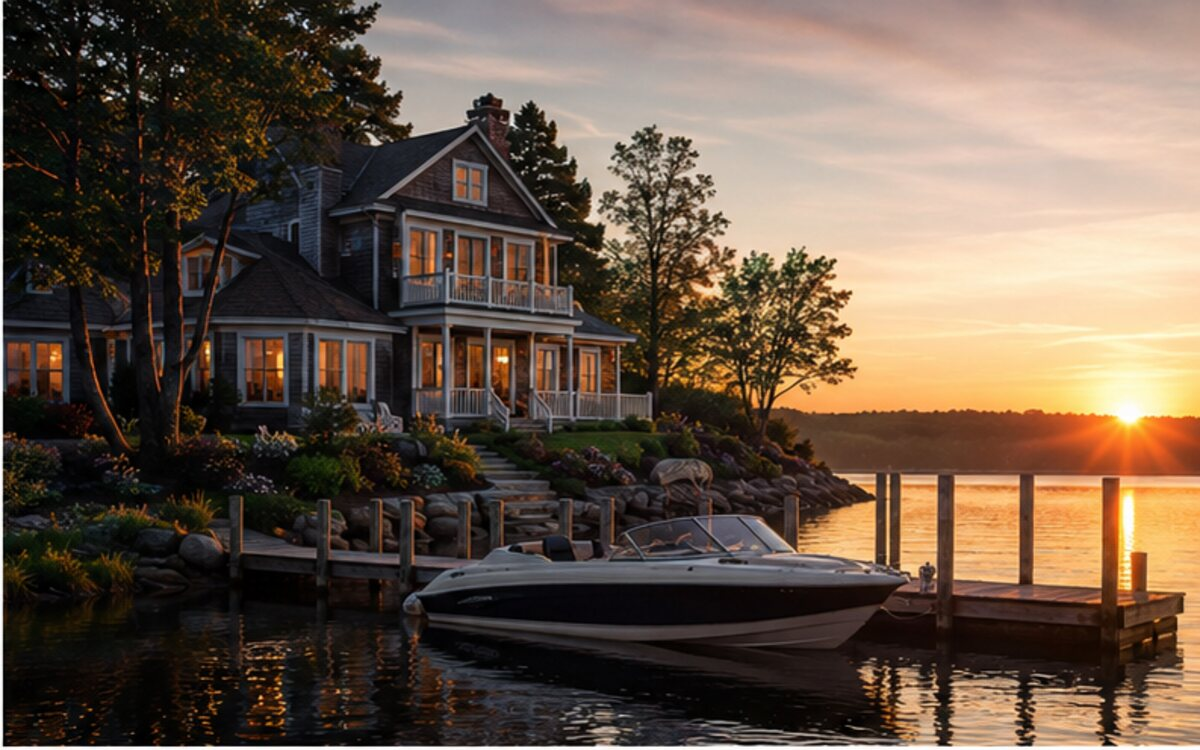
Shelburne Bay, Malletts Bay and protected water around Valcour Island are familiar cruising objectives, each with different exposure and regulations. A name on a cruising guide is not a guarantee of comfort. Evaluate the wind direction, depth, holding ground and room to swing, and verify whether the intended shore is public, private or managed park land.
For a first visit, make anchoring a daylight lunch exercise rather than the only overnight plan. Back down on the hook, take bearings and watch the boat through several wake cycles. The lake’s deep water can push a visiting crew close to shore in search of manageable rode; do not trade swing room and underwater clearance for an arbitrary desire to anchor.
Marinas, docks and fuel
Burlington, Shelburne, Colchester and Plattsburgh offer the strongest concentrations of marina service in the central lake. Smaller harbors can provide transient dockage, fuel or a mooring, but availability and depth vary. Call directly. Ask about power, pumpout, showers, launch access and how the dock behaves in a west or northwest blow.
The distances are large enough to make fuel planning consequential. A southbound morning with a following wind may become a hard northbound return. Start full, know the next reliable fuel stop and carry a reserve that covers detours. Waterfront fuel will cost more than a trailer fill-up, but opening hours—not cents per gallon—often determine the safe plan.
The route from Burlington that teaches the lake
A conservative first day runs south from Burlington toward Shelburne Bay, keeping an eye on the Adirondack weather and the wind line outside the breakwater. The route is long enough to reveal open-water behavior without committing the crew to a distant harbor. If the lake is settled, continue the exploration; if it is building, the protected destination is already close.
A second day can point north toward Malletts Bay or west toward a planned New York harbor, depending on forecast and boat. Crossing the Broad Lake is not a casual shortcut. Commercial and recreational traffic, beam seas and rapidly changing visibility make the crossing a deliberate leg with passengers seated and gear secured.
Weather, waves and cold-water judgment
Champlain’s long north-south reach allows sustained wind to create organized waves. Strong southerlies and northerlies deserve particular attention, but local topography can bend and accelerate wind near shore. Thunderstorms can reduce visibility across a route that depends on recognizing islands and headlands.
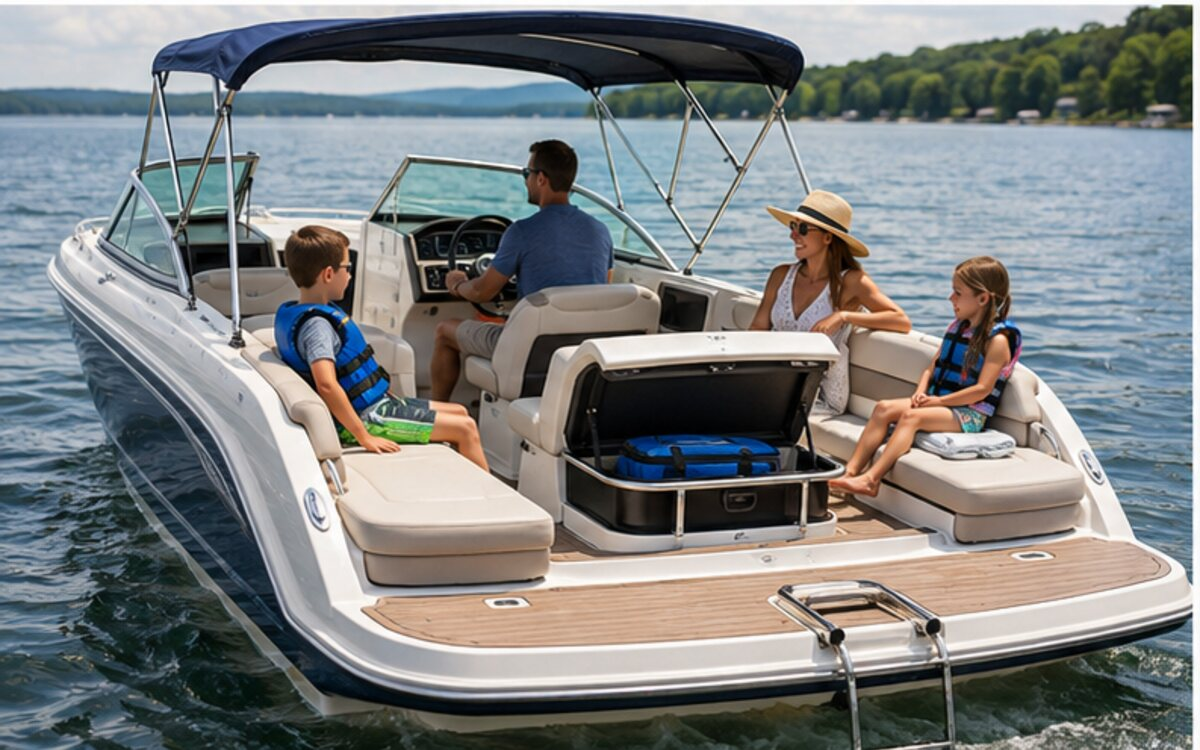
Water temperature lags air temperature. A warm May afternoon does not make immersion survivable for long, and even early summer water can punish a crew dressed for the parking lot. Wear life jackets, carry layers and keep the VHF accessible. If whitecaps are visible beyond the breakwater, decide before leaving shelter whether every passenger and the boat itself are suited to the return.
Navigation hazards and international planning
Reefs, shoals, islands, ferry routes and changing lake levels all influence navigation. Use current charts and official aids; depth contours close to a rocky shore can change abruptly. Ferries and commercial vessels have limited maneuvering room, and their wakes can reach a small boat after the visual encounter feels complete.
Crews planning Canada must research current customs procedures for both directions and carry proper documents. A spontaneous lunch across the border is not simply another marina stop. At night, shore lighting near Burlington and Plattsburgh complicates identification of navigation lights. First-time routes belong in daylight, with the final approach completed before fatigue and glare reduce judgment.
Food, family days and shore access
Burlington’s waterfront supports a boat-and-city weekend. Splash at the Boathouse, nearby breweries and downtown restaurants provide options without requiring a vehicle, though transient dock privileges and reservations must be checked. Shelburne and smaller towns offer quieter meals but may require transportation from the marina.
Families can use ECHO Leahy Center, waterfront paths and beaches when the lake is rough. The Lake Champlain Maritime Museum adds depth to the region’s shipwreck and working-water history. Avoid packing one day with a long cruise, museum and late dinner. Children remember the swim and the ice cream; they do not award extra points for completing every adult objective.
Wildlife, shipwrecks and photography
Osprey, bald eagles, herons and migrating waterfowl are common rewards for crews who reduce speed near quieter shorelines. Do not approach nests or use the boat to herd wildlife into a photograph. The lake also contains numerous historic wrecks; some are protected underwater preserves. Divers and dive flags require generous clearance.
For photography, use the Adirondacks as a western backdrop from Vermont, frame Burlington’s breakwater lights in evening light and seek the quieter geometry of a lighthouse or anchored sailboat. The best images often come after the run, when the boat is secure and the captain can stop scanning for traffic.
Best season and the real weekend budget
Late June through September offers the best balance of water temperature, service and daylight. July and August are busiest. September can be exceptional, with crisp visibility and fewer boats, but cold nights and shortened marina hours demand preparation. Spring belongs to properly equipped cold-water crews; October can deliver beauty and abrupt fronts in the same afternoon.
Budget for a slip or mooring, fuel, launch and trailer storage, meals, pumpout, shore transportation and weather flexibility. A protected transient slip in Burlington may cost more than an inland ramp, but it buys walkability and a known return. Do not choose a non-refundable multi-day boat rental without understanding the operator’s weather policy.
A realistic two-day itinerary
Day one: Leave Burlington early for Shelburne Bay, practice one anchoring stop and return with enough time for a waterfront walk and dinner. Use the first day to learn how the boat responds in the lake’s open water.
Day two: Choose Malletts Bay, Valcour Island or a planned cross-lake destination based on the morning recreational forecast. Build one shore stop into the route and top off before the long leg. If the Broad Lake is rough, spend the day inside protected water or ashore. The region is too rich to make pounding through chop the only definition of success.
Don’t miss—and habits that make the lake smaller
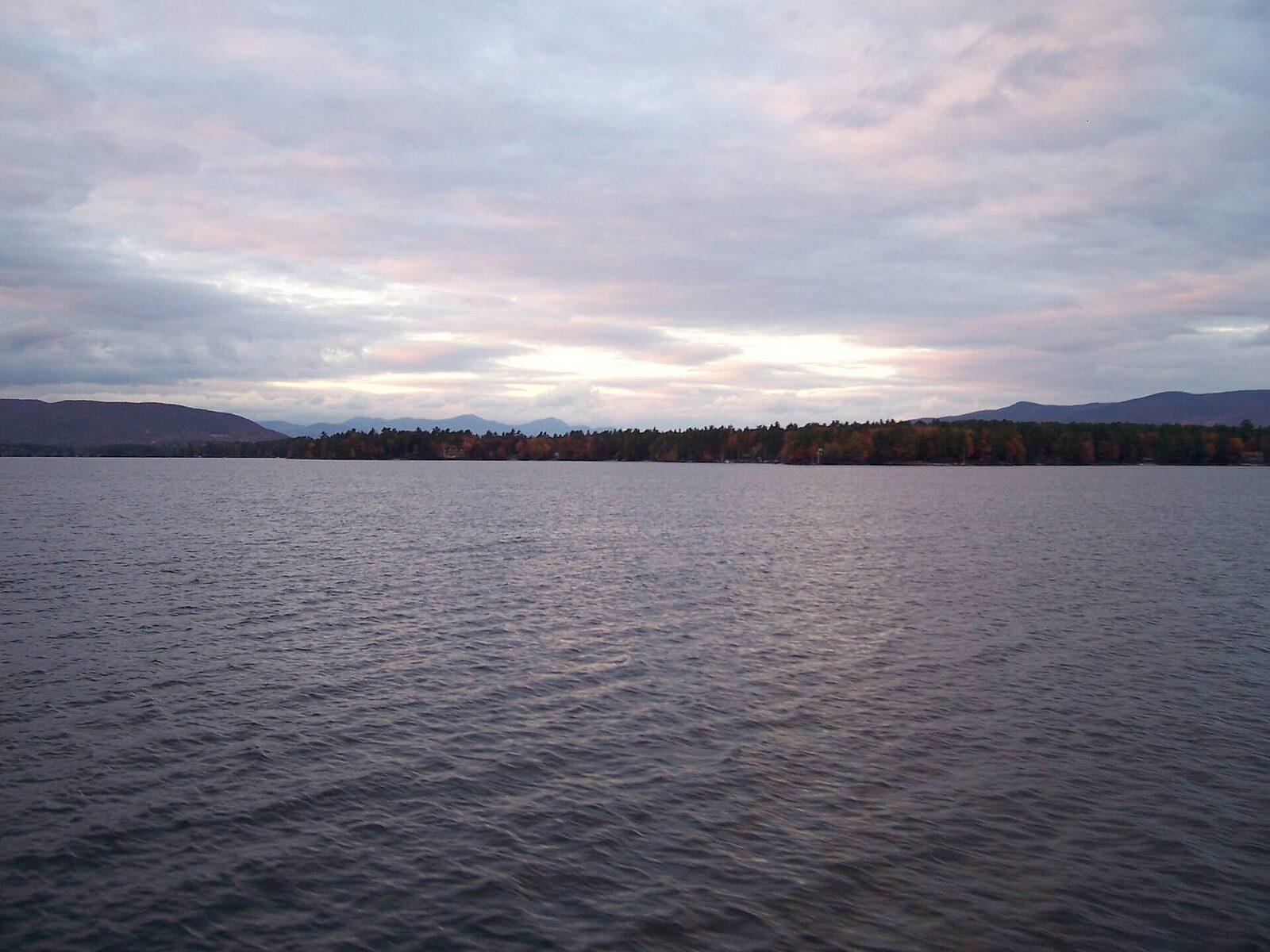
Don’t miss: the Adirondack sunset from Burlington, a lighthouse seen from the water, a quiet bay lunch and one visit to the maritime museum. Together they show the lake’s scale and human history.
Insider habits: read the dedicated lake forecast; compare conditions inside and outside the breakwater; keep warm layers reachable; identify a harbor on both shores; and plan the return before crossing. Lake Champlain becomes manageable when the captain treats each open leg as a passage with a destination, alternate and fuel number.
Frequently asked questions
Is Lake Champlain safe for small boats?
Small boats can enjoy protected bays and good-weather routes, but the Broad Lake can build substantial waves. Use the dedicated recreational forecast, start early and keep a protected alternate close.
Can you boat from Lake Champlain to the Hudson River?
Yes, through the Champlain Canal. Lock schedules, bridge clearances, water levels and Notices to Mariners must be checked before passage.
Do you need a passport to boat into Canada from Lake Champlain?
International travel requires current documentation and customs reporting. Verify U.S. and Canadian rules for every passenger and the exact route before departure.