The Chesapeake is not one broad sheet of water. It is a network of rivers, creeks and towns connected by a bay large enough to create real weather. That structure makes it unusually forgiving to a thoughtful first cruise: when the main bay is uncomfortable, a protected tributary may still offer a rewarding day. The skill lies in choosing a route whose alternate is as appealing as the original.
The water behind the history
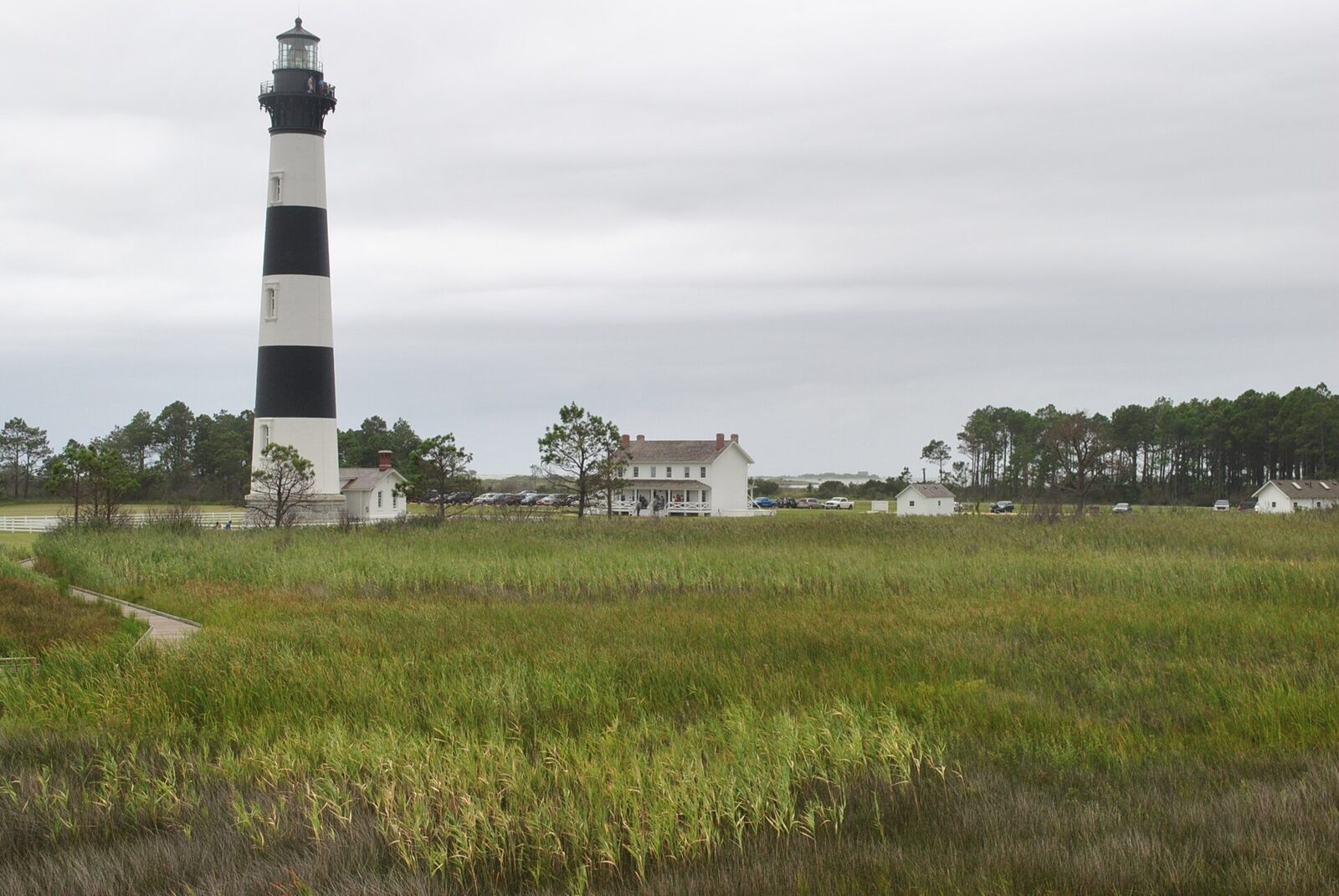
Indigenous communities lived along the Chesapeake for millennia before English colonization, tobacco trade and naval history reshaped its shores. Annapolis grew as a political and maritime center; working towns built identities around oysters, crabs, fishing and boatbuilding. Lighthouses, skipjacks and low shorelines remain visible evidence of those economies.
The bay’s ecological story is equally important. It is an estuary where fresh and salt water mix, supporting grasses, fish, crabs and birds. Boating culture depends on that system. Respecting no-wake areas, pumpout rules and shallow habitat is not separate from enjoying the Chesapeake; it is how the destination survives.
Choose a manageable first route
Annapolis is the natural first base because it offers extensive marine services, a dense boating culture and routes into the Severn River or across toward the Eastern Shore. St. Michaels provides a highly walkable historic destination and maritime museum. Rock Hall, Oxford and Cambridge support longer itineraries once the crew understands bay scale.
Do not mistake a destination’s visibility across the water for a short passage. Shoals, navigation channels and weather lengthen routes. Build the first weekend around one crossing and one protected-river day, not a checklist of towns.
Arriving, launching and approaching Annapolis
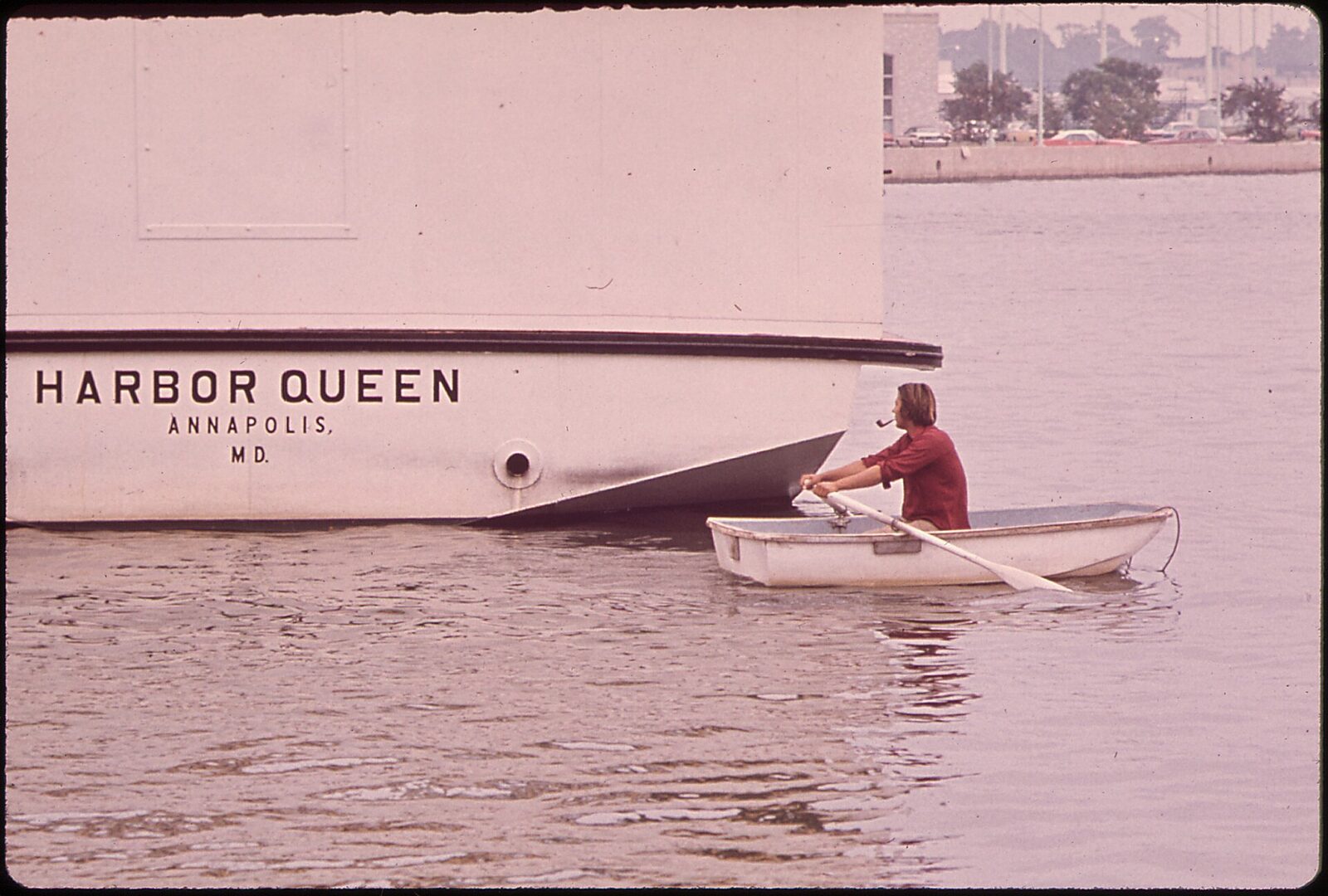
Trailer boaters have ramps throughout Maryland and Virginia, but parking, ramp condition and local rules require confirmation. Cruisers arriving from the north or south should identify commercial channels, bridge restrictions and currents before entering unfamiliar rivers. In Annapolis, sail training, racing, water taxis, Naval Academy activity and ordinary recreational traffic create a busy but organized harbor.
Contact the Harbormaster or marina before entering the mooring field, rig fenders and keep the VHF clear. Ego has no value in “Ego Alley”; slow, predictable handling is the performance worth giving spectators.
Marinas, moorings and fuel
Annapolis, Kent Island, St. Michaels, Rock Hall and larger river towns offer marina services, transient slips and fuel. Smaller creeks may provide beautiful anchorages but little support. Confirm gasoline or diesel, approach depth, pumpout, power and cancellation policy. Summer weekends and major events fill prime locations.
Fuel planning should include generator use, no-wake time and weather detours. Bay legs often require navigating around shoals rather than aiming at the destination. Waterfront fuel is part of the cruising budget. A clean pumpout and reliable shower can be more valuable than a glamorous restaurant reservation after two humid days aboard.
Anchorages that define Chesapeake cruising
The bay’s tributaries are its great advantage. Creeks off the Severn, Magothy, Chester, Choptank and other rivers can offer protection and quiet, but every anchorage is wind-specific. Evaluate fetch, depth, bottom, swing and thunderstorms. Mud may hold well when set properly; a crowded creek still requires space for every boat to swing differently.
Use enough scope, back down and take bearings. In summer, an anchor alarm is useful but does not replace checking the sky. A squall can reverse the wind and test the hook from a new direction. Keep the engine key, deck shoes and a light accessible overnight.
Weather, heat and thunderstorms
Summer heat and humidity increase fatigue before a storm arrives. Afternoon thunderstorms can produce strong gusts, lightning and abrupt wave changes. Check the National Weather Service marine zone forecast for the exact part of the bay, then monitor radar and alerts. A general Baltimore or Easton forecast does not describe open-water wave conditions.
Spring and fall offer cooler air and often better cruising comfort, though cold fronts are stronger. In any season, wind against tidal current can steepen chop. Passengers should have shade, drinking water and a way to cool down. Heat illness impairs judgment as surely as cold.
Shoals, channels and commercial traffic
The Chesapeake is famously shallow outside dredged channels and natural deeper routes. Stay current on charts and do not cut a marker because the destination appears close. Crab-pot floats can be difficult to see in glare or chop. Assign a lookout and reduce speed before a field of gear makes evasive steering necessary.
Commercial ships in the main channels are constrained and move faster than their scale suggests. Cross well clear and never linger in front of one. Wakes from large vessels and fast powerboats reach shallower edges differently; secure passengers and gear during crossings.
Crab houses and towns worth a line ashore
St. Michaels places the Chesapeake Bay Maritime Museum and restaurants within a compact shore day. The Crab Claw is a familiar waterfront name there; Waterman’s Crab House anchors Rock Hall’s harbor dining; Cantler’s Riverside Inn near Annapolis represents the creek-side crab-house tradition. Access, reservations and dock rules must be verified.
Eating crabs is intentionally slow, which makes it well suited to a boat secured for the night and poorly suited to a captain watching a thunderstorm clock. Plan the feast after docking. Carry lunch aboard for the crossing day.
Families, museums and wildlife
The Chesapeake Bay Maritime Museum, U.S. Naval Academy visitor opportunities and waterfront parks provide strong family structure. Break the cruise into named events. A child can understand “cross the bay, museum, ice cream, boat”; “twelve hours of cruising” sounds like confinement.
Osprey are a constant presence, joined by herons, eagles, dolphins in portions of the bay and abundant waterfowl seasonally. Slow near marsh edges and avoid wake damage. Photograph working watermen from a respectful distance without obstructing gear or channels.
Best months and trip costs
Late April through June and September into October often offer the best cruising comfort. July and August provide long days and warm water but bring heat, thunderstorms and heavy weekend use. Hurricane-season systems require flexible cancellation plans. Winter is for equipped crews who understand cold-water risk.
Budget for marina or mooring, fuel, pumpout, meals, museum admission and cooling aboard. Transient rates vary widely by town and event. Anchoring can reduce cost, but only when the crew and ground tackle are ready; it is not free marina service without a dock.
A two-day Annapolis–St. Michaels plan
Day one: Leave Annapolis early, cross only with a favorable forecast and reach St. Michaels before afternoon thunderstorms are likely. Secure the boat, visit the museum and eat ashore. If the crossing is poor, spend the day exploring the Severn and remain in Annapolis.
Day two: Depart on the better tide and weather window, allowing time for crab-pot avoidance and harbor traffic. Stop in a protected river only if it improves the return. Do not extend lunch until the afternoon storm cycle decides the schedule for you.
Don’t miss—and the habits that turn miles into cruising
Don’t miss: Annapolis from the water, the maritime museum in St. Michaels, one quiet creek anchorage and a lighthouse or skipjack that connects the modern trip to working-bay history.
Insider habits: carry a real boat pole for crab-pot lines; check the correct marine zone; reserve the destination but love the alternate; put shade and water ahead of another gadget; and arrive before the storm window. On the Chesapeake, flexibility is not indecision. It is the central cruising skill.
Frequently asked questions
What is the best first Chesapeake Bay cruise?
Annapolis to St. Michaels is a classic introduction for an appropriately equipped boat in good weather. Keep a Severn River or nearby-creek alternate if the open-bay crossing is uncomfortable.
When is the best time to boat the Chesapeake?
Late spring and early fall usually offer more comfortable temperatures than midsummer. Every season requires marine-forecast and thunderstorm awareness.
Why are Chesapeake charts so important?
Much of the bay and its tributaries is shallow outside channels. Shoals, crab-pot fields and commercial shipping routes make current charts and an outside lookout essential.