Newport’s harbor is theater from the water: varnished tenders, race boats, superyachts, ferries and working launches crossing in front of church spires and Gilded Age roofs. The scene can make a visitor forget that every vessel is moving with a purpose. A satisfying weekend begins with a confirmed place for the boat, a radio call made before the mooring field and enough daylight to sort out the tender.
A harbor that taught America to sail
Newport’s maritime history reaches from colonial trade and naval activity to the long association with the America’s Cup. Wealth from the Gilded Age produced the “cottages” along Bellevue Avenue, while the harbor remained a place of pilots, shipyards, fishing and sailing. That combination—display and work—still defines the waterfront.
Approaching from Narragansett Bay, a visiting captain sees a city that was designed to be arrived at by water. Fort Adams controls one side of the entrance; the dense harbor opens beyond. Understanding the history prevents the weekend from becoming only shopping and dinner. This is one of the country’s great sailing cities because boats have remained central, not ornamental.
Planning the arrival before casting off
Reserve a marina when certainty matters. Transient moorings are available through public and private operators, often on a first-come basis, and summer demand is high. The City of Newport directs boaters to the Harbormaster, Oldport Marine and Newport Mooring Service for current information. Do not enter the harbor assuming an empty-looking ball is available.
Know the boat’s length, draft, beam, power needs and insurance details before calling. Decide how passengers will reach shore, where the tender will be stored and what happens if conditions make the assigned mooring uncomfortable. A reservation confirmation should include arrival instructions and the correct VHF channel.
The harbor approach
Approach Newport with current charts, tide information and a listening watch. Traffic includes ferries, commercial vessels, sailing schools, race fleets, launches and small tenders that may be difficult to see against the mooring field. Hold a predictable course and reduce speed before the harbor feels crowded.
Wind against tide can roughen exposed parts of Narragansett Bay. Fog removes the visual context that makes the entrance appear simple on a clear day. Radar and AIS improve awareness but do not replace a lookout. Secure fenders, lines and loose cockpit gear before entering; the harbor is not the place to discover the boat hook is buried beneath luggage.
Moorings, docks and the tender question
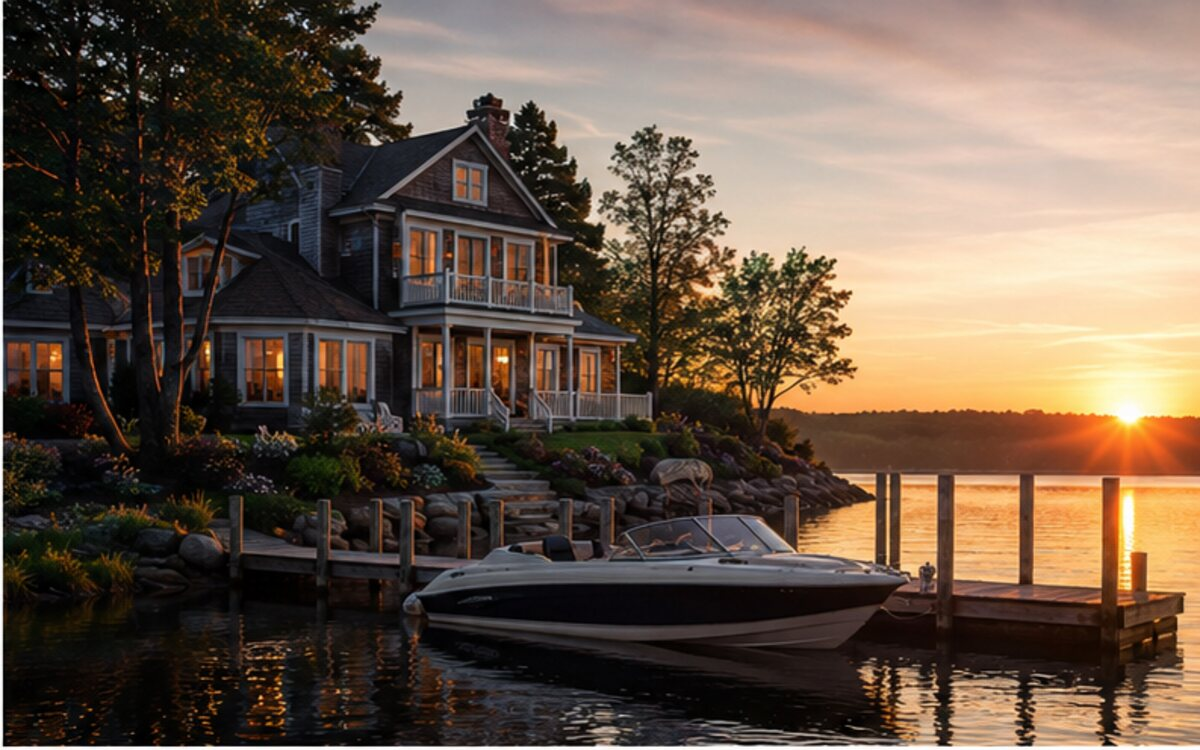
City transient dockage at Ann Street Pier and Perrotti Park is limited, first-come and intended for short stays rather than overnight use. The city publishes current hourly rates and vessel-size limits. For overnighting, a marina or transient mooring is the normal answer. Confirm pickup or launch service instead of assuming it continues late into the evening.
If using a dinghy, carry required equipment, lights and a real means of securing it. The Newport Maritime Center offers useful shore facilities, and nearby dinghy access makes a mooring practical. A late return in wind and darkness can be the most consequential trip of the weekend; treat the tender as a boat, not a floating taxi.
Fuel, repairs and provisioning
Fuel and full-service marinas are available in and around Newport Harbor, but the busiest summer periods create queues and narrow timing. Top off before a long coastal approach when possible, then use Newport fuel for the next leg rather than as a rescue. Ask about gasoline versus diesel, depth and pumpout when calling.
Provisioning is easy once ashore, yet moving groceries through a launch and across a mooring field is less elegant than it sounds. Buy heavy items before arrival and use the city for fresh food. Carry spares appropriate to the boat; local marine service is excellent, but a weekend repair slot is not guaranteed simply because many yards exist nearby.
Anchorages and alternatives
Newport Harbor’s designated anchorage and surrounding Narragansett Bay options require current local knowledge, chart review and attention to holding, swing and traffic. A first-time visitor should not treat anchoring as a free substitute for a reservation. Contact the Harbormaster for current anchorage direction and understand where navigation lanes and mooring fields begin.
Jamestown and other bay harbors can provide alternate experiences, but they are not automatic shelters in every wind. Build an alternate before departure, not while circling a full harbor at sunset. If the boat is small enough for trailering, keeping a land-based lodging backup may save an entire weekend when coastal conditions turn.
Weather, fog and ocean influence
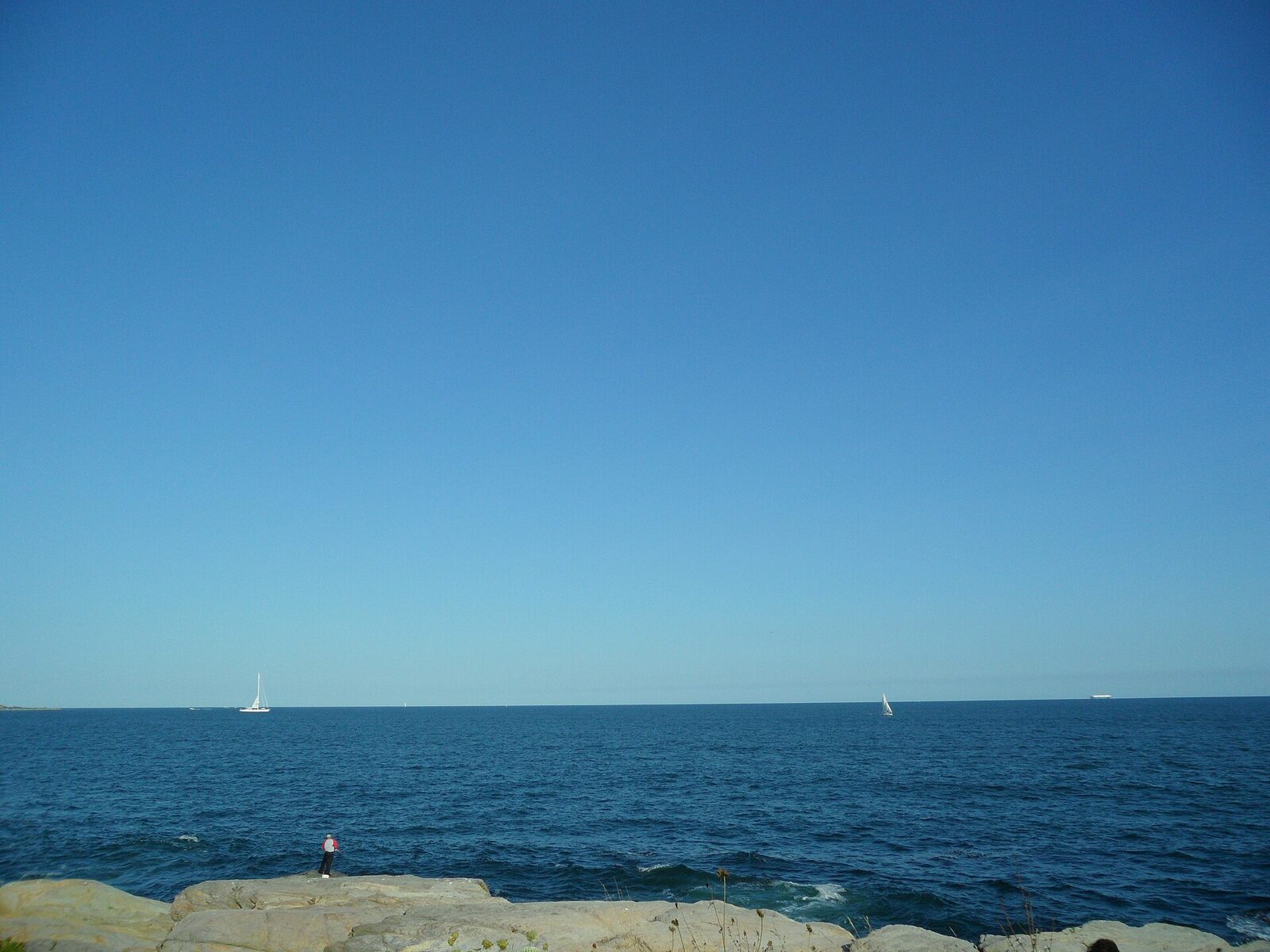
Newport sits where bay boating meets open-ocean influence. Sea breeze can strengthen through the afternoon, fog can arrive abruptly and an offshore system can send swell into otherwise pleasant weather. Check the National Weather Service marine forecast for the correct Narragansett Bay and coastal zones, plus tide and current information.
Dress for air that may be much cooler on the water than on Thames Street. Keep foul-weather gear accessible. A forecast within the boat’s capability can still be miserable for passengers; comfort is a safety factor because cold, seasick or anxious people move poorly when docking.
Eating ashore
The Mooring, 22 Bowen’s and the Clarke Cooke House are established names around the downtown waterfront, with many less formal choices close by. A meal reservation does not include a boat berth. Secure the vessel and confirm shore transportation before deciding the crew can make a table time.
The better Newport strategy is one planned dinner and flexible lunches. Harbor delays, launch waits and weather make tightly stacked reservations stressful. Keep food aboard for the arrival day. After the boat is secure, the walk from the waterfront through Thames Street is part of the destination, not dead time between dock and restaurant.
Families and shore days
Fort Adams, the Cliff Walk, beaches, sailing museums and harbor tours give families alternatives when conditions are poor. The Newport mansions are visually spectacular but can consume a half day, especially with transportation. Choose one major shore activity and leave unstructured time.
Children in a mooring-based weekend need properly fitted life jackets for tender trips and clear rules about boarding. The step between launch and sailboat can change with wake and tide. One adult boards first, one controls the child, and bags wait. Trying to move everyone and everything at once is how phones, groceries and confidence enter the harbor.
Wildlife, hidden views and photographs
Seals may be seen in the broader bay and coastal waters, while seabirds, osprey and migrating waterfowl use shoreline and islands. Give wildlife room and reduce wake near sensitive shore. Never use a boat’s maneuverability to corner an animal for a photograph.
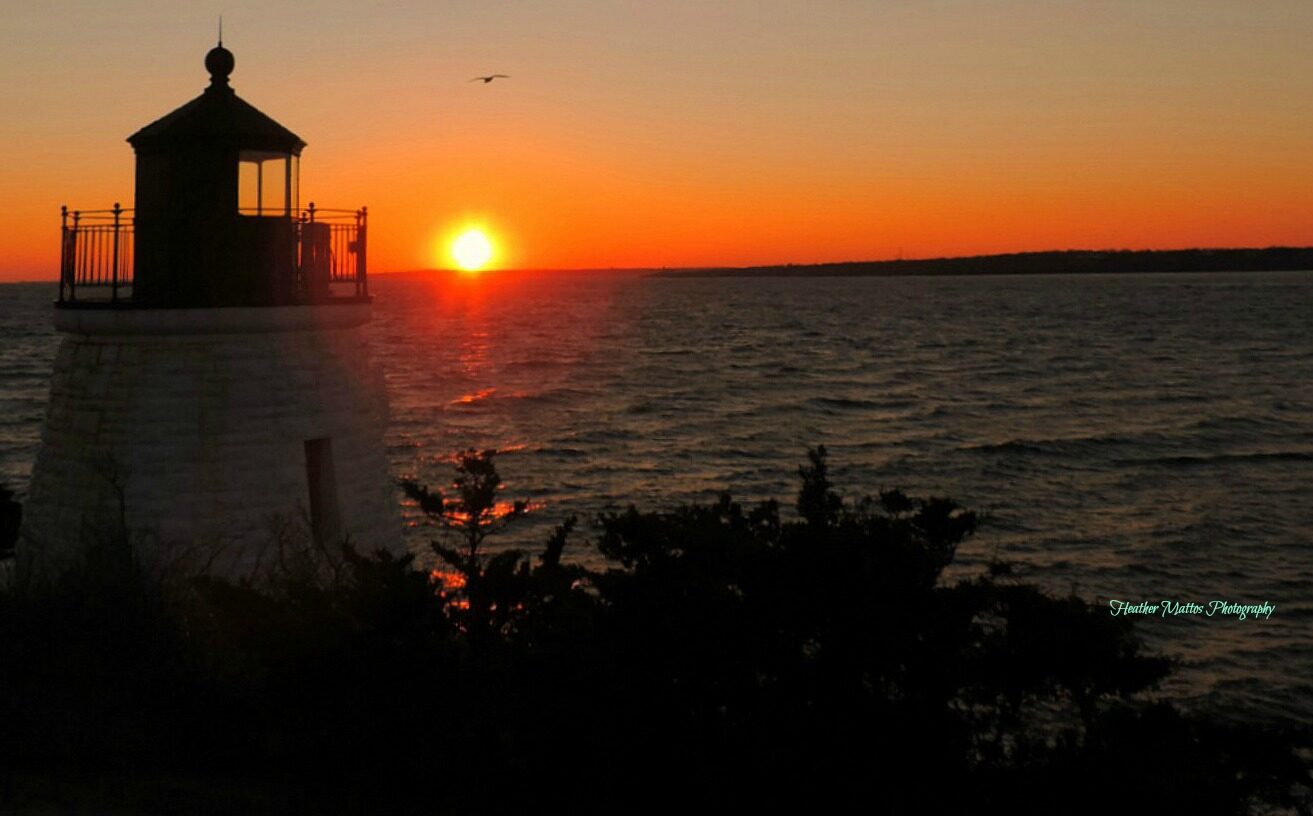
Castle Hill Light, the harbor entrance near Fort Adams and the city skyline from the mooring field are signature images. Early and late light calm the visual clutter. A hidden pleasure is the launch ride after dinner, when the waterfront lights appear and the harbor’s sound changes. Wear the life jacket and keep the phone secured before trying to record it.
Best months and realistic costs
June through September is the primary season. July and August bring events, crowded weekends and highest prices. September offers warm-enough water, strong sailing culture and cooler nights, often with fewer weekday visitors. Fog and tropical systems remain planning factors throughout the warm season.
Newport is not a bargain harbor. Budget for mooring or marina charges, launch service, fuel, pumpout, meals and shore attractions. City short-term dockage publishes an hourly rate, but overnight costs are much higher at private facilities. The most expensive mistake is arriving without a place and accepting any last-minute option while tired.
A two-day harbor itinerary
Day one: Arrive before midday, secure the boat and handle fuel or pumpout before the crew disperses. Explore the waterfront, Fort Adams or one historic site, then enjoy a single reserved dinner. Return to the boat before launch service becomes uncertain.
Day two: Make an early Narragansett Bay cruise toward Castle Hill or a charted nearby objective, based on wind and tide. Return for lunch and depart the harbor before afternoon sea breeze or weekend traffic peaks. A late departure works only when the next harbor and forecast make it genuinely comfortable.
Don’t miss—and the habits a harbor rewards
Don’t miss: entering past Fort Adams, a launch ride through the mooring field, Castle Hill from the water and an hour simply watching sailboats maneuver. The harbor itself is the primary attraction.
Insider habits: reserve early; call before the mooring field; rig both sides; carry a waterproof harbor map; keep tender lights aboard; and listen before transmitting. Newport is busy but readable. The crew that arrives prepared can enjoy the spectacle instead of becoming part of it.
Frequently asked questions
Can visiting boats dock overnight at Newport's city docks?
The city describes Ann Street Pier and Perrotti Park dockage as limited, short-term transient dockage and states that overnight dockage is not available at those locations. Use a marina or confirmed transient mooring for overnight stays.
How do you get ashore from a Newport mooring?
Private launch operators and some mooring providers offer service. Confirm the provider, VHF channel, operating hours and late-return plan before accepting a mooring.
Is Newport Harbor suitable for beginners?
A prepared beginner with current charts, a confirmed berth and good conditions can visit, but dense traffic, tide, fog and tender logistics make planning essential.