Editorial disclosure: Nautical Dream may earn a commission from qualifying purchases. Commercial relationships do not determine our categories, recommendations, cautions or final verdicts.
Boating gear is unusually easy to recommend badly. A cooler can win an insulation test and still be too heavy to lift over the gunwale. A chartplotter can top a feature comparison and become unreadable behind a steering wheel. A life jacket can satisfy a regulation and remain in a locker because nobody wants to wear it. Nautical Dream evaluates products in the context that matters: a moving, wet, sun-exposed boat with limited space, limited power and people whose comfort and safety depend on honest choices.
We begin with a use case, not a bestseller list
“Best” without a boat, crew and operating area is meaningless. A heavy rotomolded cooler may be excellent for an overnight fishing crew and absurd on a sixteen-foot bowrider. A premium offshore inflatable life jacket may suit an adult captain but not a child, weak swimmer or tow-sports participant. We define who a product is for, how it will be used and what constraint matters most before comparing brands.
Every guide should state who should buy, who should avoid, a sensible budget choice and what extra money buys at the premium end. When a lower-priced product meets the job with less weight or complexity, that is not a consolation prize. It may be the better recommendation.
The boat is part of the test
Marine products do not live on a clean workbench. We consider mounting area, cable runs, electrical load, spray exposure, glare, engine vibration, salt, ultraviolet light, deck traffic and how equipment must be stored. Published dimensions can hide handles, drain plugs, cable bend radius or the room required to open a lid. A good guide tells the reader to measure the complete working envelope, not just the headline dimensions.
Installation can change the verdict. A discounted display that requires a new transducer and network backbone may cost more than an apparently expensive compatible replacement. A cooler without tie-down points can become a dangerous moving object. A life jacket whose inflation mechanism is difficult to inspect may be neglected. We treat those consequences as product characteristics, even when they are not printed on the box.
Specifications are verified at the model level
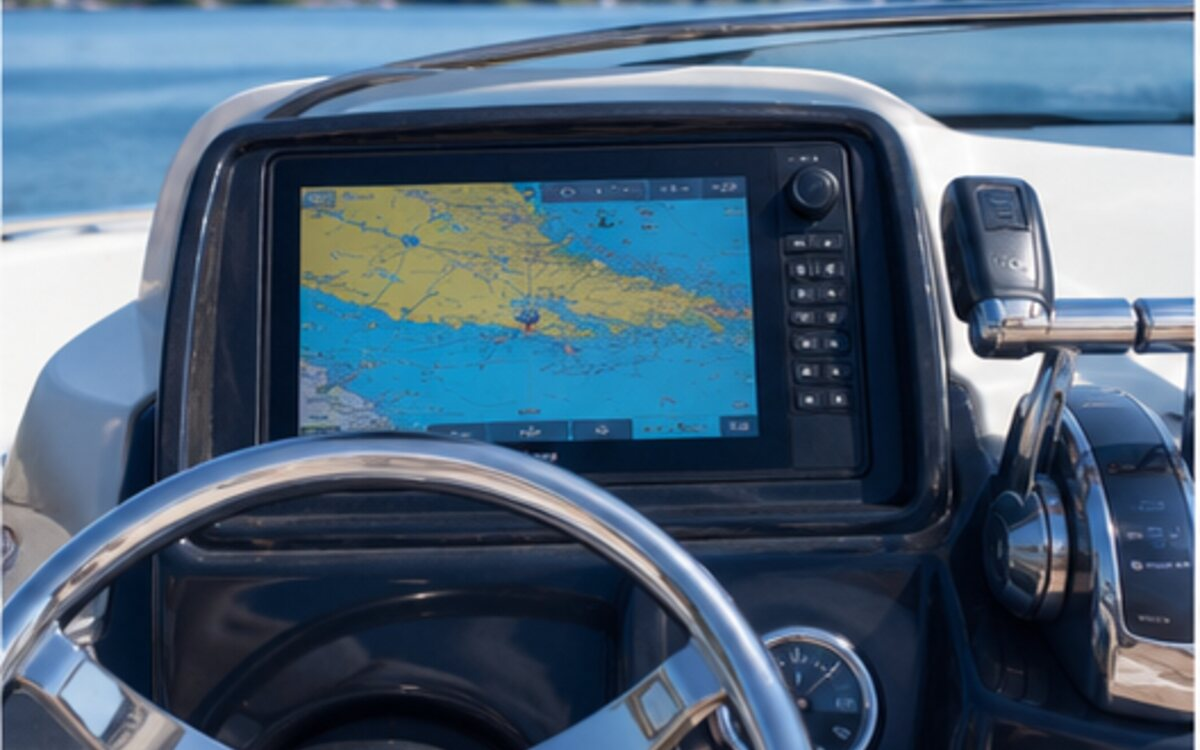
Manufacturers often sell several packages under one family name. Screen sizes, included maps, transducers, accessories, buoyancy types and warranties can differ. We link to current manufacturer material and identify the family or configuration being discussed. Readers should still verify the exact model number before ordering because retailers sometimes combine old and new inventory on one page.
We separate manufacturer claims from editorial judgment. Capacity, dimensions, certification and stated warranty can come from the maker; comfort, suitability and value require interpretation. When evidence is incomplete, we say so. “Up to” performance in controlled conditions is not converted into a promise aboard.
Safety products receive a different standard
A safety recommendation must explain approval category, intended use, fit, inspection and maintenance. We do not imply that one life jacket suits every person or activity. Children require the correct size and design. Inflatables are not appropriate for every user and must be armed and serviceable. A wearable device stored in plastic or buried beneath gear offers little practical protection.
We prioritize U.S. Coast Guard guidance, current labels and manufacturer instructions. Regulations vary with vessel, activity and jurisdiction, so a guide should send readers to authoritative sources rather than invent a universal rule. Any product recall or known safety notice materially changes a recommendation.
Performance is weighed against usability
Maximum performance can reduce everyday value. More insulation adds weight and bulk. A brighter screen may draw more power. An offshore-grade jacket can be uncomfortable for casual warm-weather use. We look for the point where performance supports the use case without making the product difficult to carry, wear, operate or maintain.
Controls should be considered in realistic conditions: glare, polarized lenses, gloves, wet hands and motion. Latches, zippers and buckles must be operable by the intended user. A second operator should be able to understand essential electronics. Gear that works only for the owner under ideal conditions is less capable than the specification sheet suggests.
Ownership cost includes everything after checkout
The price on the product page is rarely the whole project. Our guides account for mounting hardware, electrical protection, professional labor, charts or subscriptions, replacement cartridges, batteries, cleaning supplies, spare parts and storage. We distinguish an approximate purchase price from an installed or ownership range and avoid false precision when labor and boat condition vary widely.
Time belongs in the cost calculation. A product that requires frequent attention may be appropriate for a disciplined owner and wrong for someone who wants simple seasonal use. Proprietary accessories and limited repairability can make a low purchase price expensive over several seasons.
We look for common failure modes
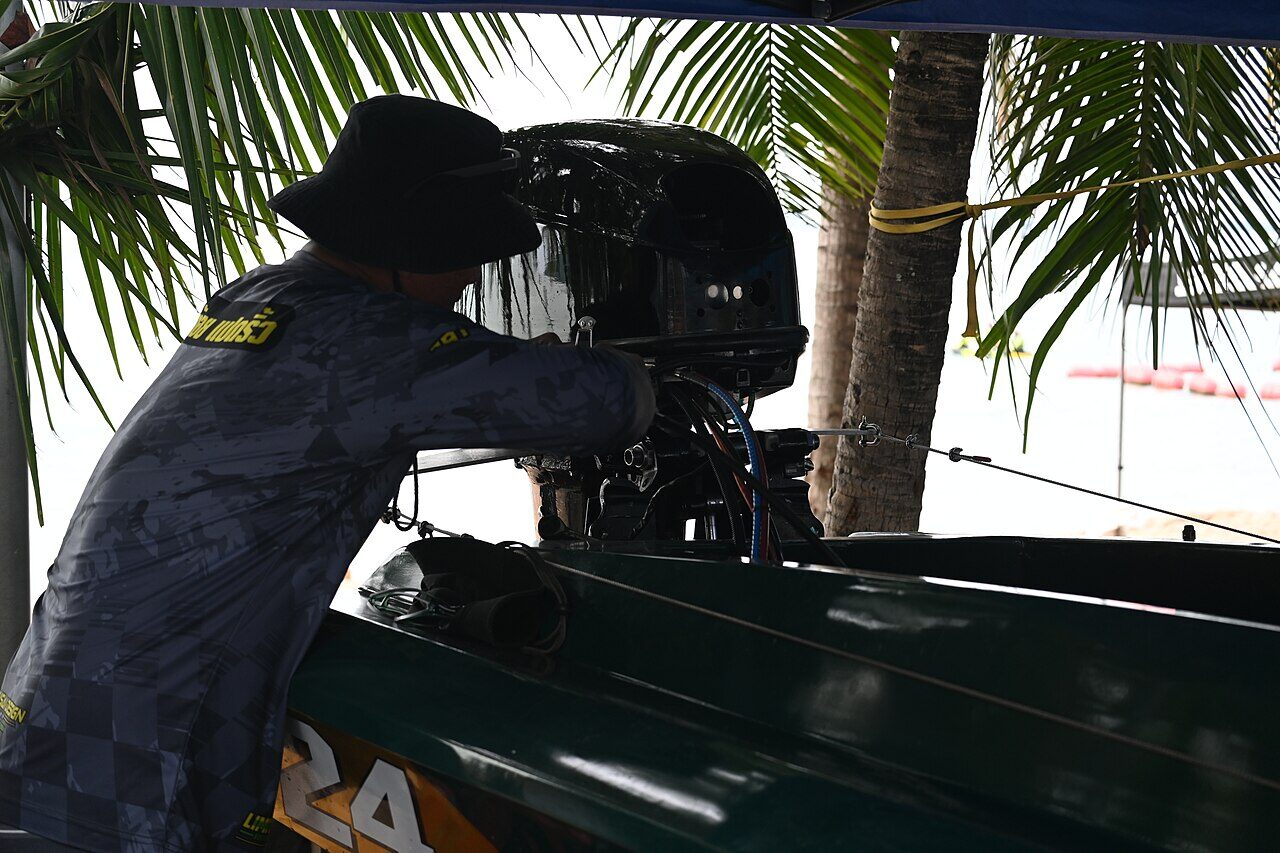
A useful buyer’s guide should tell readers how a category disappoints. Electronics may reboot because of poor power rather than a bad display. Cooler gaskets and latches wear; drains become inaccessible when installed against a bulkhead. Inflatable life jackets can be incorrectly armed or left with expired components. Failure analysis prevents two mistakes: replacing the wrong component and blaming a product for a poor installation.
We distinguish between an isolated complaint, a predictable wear item and a design limitation. User reports can reveal patterns, but they are not treated as proof without context. Saltwater exposure, incorrect wiring, overloading and neglected maintenance matter. When a common issue can be prevented with care or installation, the guide explains how.
Alternatives are part of an honest verdict
No recommendation should pretend the category has only three brands. We name credible alternatives when another ecosystem, boat type or budget makes them relevant. Sometimes the best alternative is keeping the product already aboard, repairing it or buying a simpler tool. A tablet may supplement a chartplotter; it should not automatically replace one. A soft cooler may serve a lunch run better than a premium hard chest.
We also explain switching cost. Marine electronics, battery tools and proprietary mounting systems can lock owners into an ecosystem. Compatibility has economic value. A competitor can be technically stronger and still be a poor upgrade if every sensor, cable and mount must be replaced.
Affiliate links do not create a recommendation
Nautical Dream may use affiliate links, which can earn the publication a commission without changing the reader’s price. That business model supports research and site operation, but it creates an obligation to be explicit. A recommendation should remain the same if the link stops paying. Products without affiliate programs can still be included, and a guide can conclude that no purchase is necessary.
Sponsored content, supplied products and paid placements must be identified. Access is not a positive verdict. When first-hand long-term testing is unavailable, we do not imply that a writer has logged seasons with the product. We rely on transparent source material and category analysis, then describe the limits of that evidence.
A recommendation should survive the disappearance of its commission link.
Prices are ranges, not theater
Marine prices move with model years, bundles, dealer labor, regional freight and seasonal promotions. A constantly stale exact price is less useful than a realistic tier and a list of what the package must include. We use terms such as budget, midrange and premium only after defining the relevant category; a budget offshore electronics project is not the same amount as a budget day-boat cooler.
Readers should compare identical model numbers and included accessories. A sale bundle may omit the chart region or transducer needed. Shipping can be significant for bulky products, while a local dealer may include rigging, setup or post-sale support that changes the value comparison.
Updates follow the boating calendar
Core guides are reviewed when manufacturers change a product family, authoritative safety guidance changes or a meaningful new alternative appears. We also update around commissioning and storage seasons when owners make larger purchase decisions. Each long-form page carries an updated date, and important current claims link to primary sources.
An update is not merely changing the year in the title. The recommendation, availability, compatibility, source links and ownership advice must still hold. If a product remains the right choice, the guide should explain why rather than manufacturing novelty for search traffic.
How readers can use our guides well
- Start with the “who should buy” and “who should avoid” sections.
- Measure the boat and inventory compatible equipment before choosing a model.
- Price the complete project, including installation and required accessories.
- Read maintenance and common-failure sections before purchasing.
- Verify current specifications, approval labels and availability with the manufacturer.
Then make the decision slowly enough to catch a mismatch. The best buying guide does not push a reader toward checkout. It helps eliminate wrong products until the remaining choice makes sense aboard.
Corrections and reader feedback
Boaters often know a local installation detail or failure pattern that a general guide misses. Specific, verifiable corrections are welcome at our contact page. Include the exact model, year, operating environment and supporting documentation when possible. We review substantive corrections and update material claims when warranted.
Our final standard is straightforward: a reader should understand why a product fits, what it will really cost, how it can fail and what ownership asks of them. If a guide does not answer those questions, it is not finished.
Frequently asked questions
Does Nautical Dream accept free products?
Supplied products may be considered, but access does not guarantee coverage or a favorable verdict. Any material relationship should be disclosed in the relevant article.
Do affiliate commissions affect rankings?
They should not. Recommendations are based on suitability, safety, ownership cost and value. Products without commission programs may be included, and no-purchase alternatives can be the conclusion.
How often are buying guides updated?
Guides are reviewed when meaningful models, safety guidance or availability changes. An updated date reflects substantive review, not a cosmetic year change.
Are prices guaranteed?
No. Marine pricing varies by package, dealer, region and season. Readers should verify the exact model number, included accessories and installation cost before buying.
How can I submit a correction?
Use the contact page and include the exact model, claim, supporting source and relevant operating context. Material errors are corrected as soon as they can be verified.