The Finger Lakes are often described as one destination, but a boat makes the differences impossible to ignore. Seneca feels long, deep and open; Cayuga combines broad water with a dramatic southern approach to Ithaca; smaller lakes compress the day into quieter coves. The most important decision is not where to eat. It is choosing one lake and building the entire weekend around its wind, launch and home port.
Why the lakes look the way they do
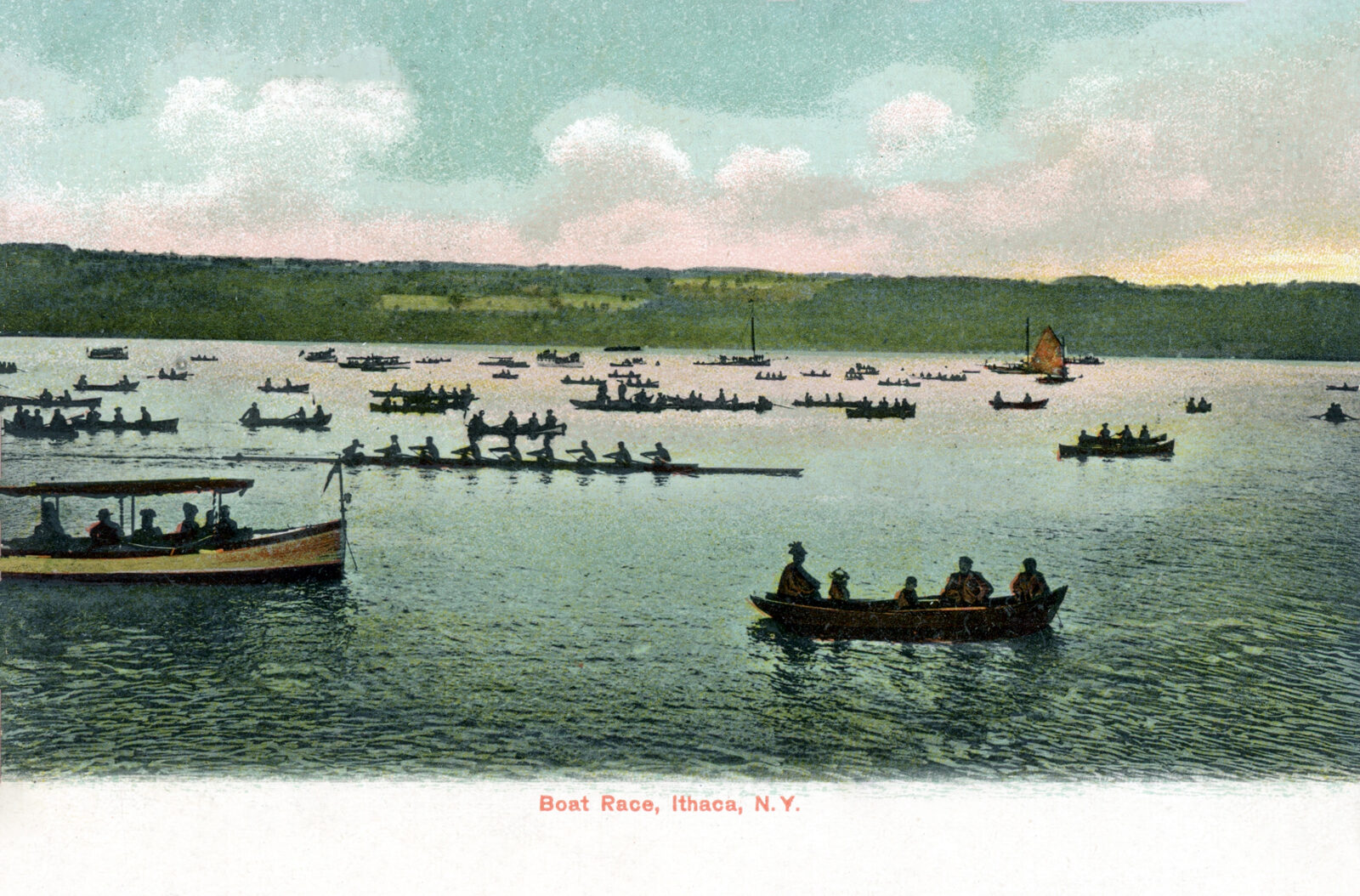
Glaciers carved the Finger Lakes into long north-south troughs, leaving deep water, steep slopes and watersheds that shape modern boating. The Haudenosaunee nations lived throughout the region long before canal links, vineyards and railroads transformed the shore. Seneca and Cayuga later connected to New York’s canal system, giving their northern ends a commercial and transportation history that remains visible in locks, channels and waterfront towns.
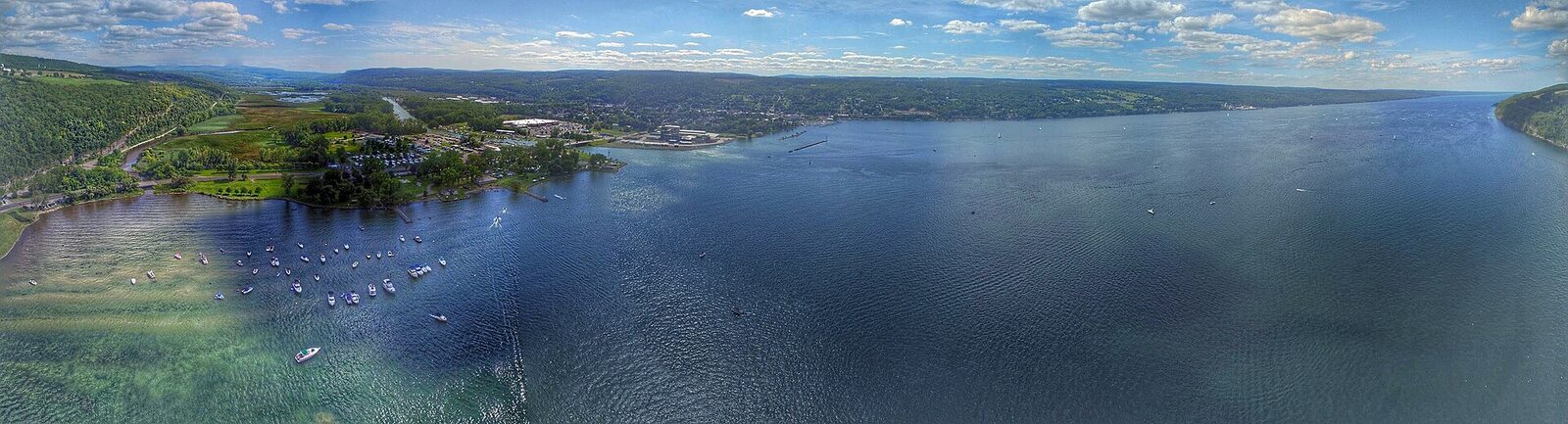
The same geography explains the weather. A southerly or northerly wind can travel miles along the lake’s axis, building a surface far larger than conditions at the launch suggest. Vineyards enjoy the moderating effect of deep water; boaters must respect the fetch that comes with it.
Which Finger Lake fits your boat?
Seneca Lake is the most natural first choice for a cruiser or larger trailer boat seeking a destination route. Geneva anchors the north; Watkins Glen provides the southern objective; services and attractions exist at both ends. Cayuga Lake works for crews drawn to Ithaca, Aurora and the Cayuga-Seneca Canal connection. The southern shallows and tributary areas require chart awareness even though the center is famously deep.
Canandaigua, Keuka and Skaneateles offer excellent days but different service patterns and local rules. A small runabout may have a better experience making a modest shoreline circuit than attempting the full length of Seneca in building wind. Select the lake by boat capability and forecast, not by which tourism photo is most familiar.
Launching and arriving by water
Geneva’s lakefront and Seneca Lake State Park area provide useful access at the north end of Seneca, while Watkins Glen and nearby facilities serve the south. Cayuga options include state and municipal launches such as Dean’s Cove and facilities near Ithaca or the northern canal connection. Ramp details, invasive-species inspection practices, parking and seasonal hours can change; verify them before towing.
Boats arriving through the canal system should treat lock schedules and canal notices as hard route constraints. Water levels, maintenance and opening hours can remove miles from a day. Trailer crews should stage away from the ramp and inspect bilge, cooling water and steering immediately after launch. The distance between lake ends makes discovering a problem ten miles out more than an inconvenience.
Marinas, docks and fuel strategy
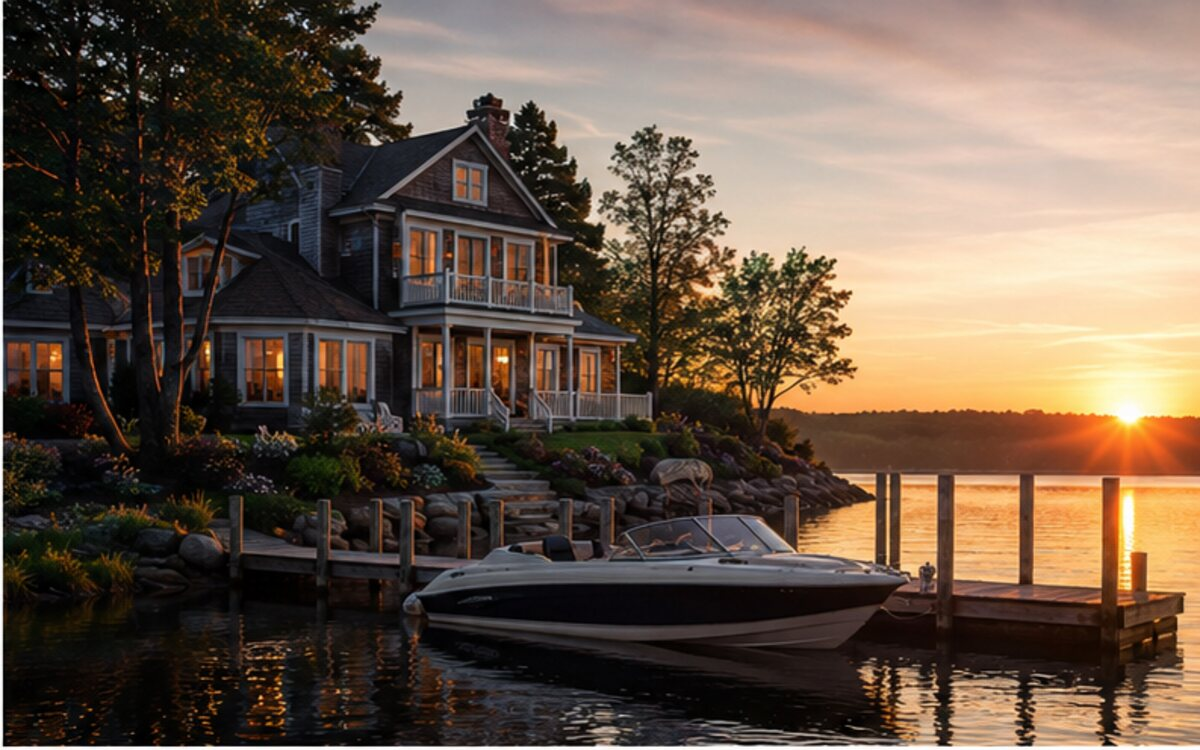
Geneva and Watkins Glen provide the strongest concentrations of service on Seneca. Cayuga has useful facilities around Ithaca, Lansing, Aurora and the northern outlet, but they are not interchangeable. Confirm whether a marina sells fuel, which grade it carries, its controlling depth and how late the dock remains staffed. Shoulder-season hours can be much shorter than restaurant hours.
Top off before the long leg. A round trip on a large Finger Lake, plus trolling, cove exploration and a headwind return, can consume far more than the captain imagined while looking at a straight shoreline. Carry water and food sufficient to skip a stop. A dockside lunch should remain optional until the slip is secured and the return forecast still agrees.
Where to anchor and swim
The Finger Lakes do not offer the dense island protection of Lake George. Good lunch stops are usually created by shoreline shape and the day’s wind. Choose a lee shore only after checking depth, bottom and the forecast; a comfortable cove can become exposed when a front reverses the wind. Keep outside marked swimming areas and private waterfront zones.
Deep water can remain cold below a warm surface layer, and sudden immersion is more serious in spring and early summer than the sunshine suggests. Stop the engine, remove the key and verify the ladder before anyone enters. In steep-sided water, depth may increase quickly off the stern. Younger swimmers need life jackets and an adult whose only job is watching the water.
Weather on a long, narrow lake
A town forecast is not a marine plan. Look at wind direction in relation to the lake’s axis, gusts, thunderstorms and the timing of fronts. The north end can appear manageable while the middle has whitecaps. Darkening water, organized wind streaks and a temperature drop are instructions, not scenery.
Morning departures preserve options. If the plan is Geneva to Watkins Glen, decide before leaving where the turnaround occurs if wind rises. Running with waves may feel easy until the return forces the bow into them. Small boats should use shore-side protection without hugging an unfamiliar shoreline. The safest water is deep enough for the boat, far enough from hazards and close enough to shelter to shorten exposure.
Navigation hazards and canal connections
Depth in the central lakes can create false confidence. Hazards concentrate near shore, at tributary mouths, around breakwaters and in the channels leading to canal infrastructure. Floating timber and debris often follow heavy rain. Use current charts, obey local aids and slow before entering a harbor rather than waiting for depth to disappear.
At the northern ends, canal routes introduce current, restricted channels, bridges and locks. Never enter a lock unprepared. Fenders should be set for the wall, lines ready and crew briefed not to tie a line fast in a way that cannot adjust with water level. Monitor official notices because maintenance or high water can change an otherwise careful itinerary.
Towns and meals worth leaving the boat for
Geneva offers the easiest full-service shore day on Seneca, with a walkable lakefront and restaurants beyond the immediate marina. Watkins Glen combines harbor access with the state park’s famous gorge, though transportation from a slip may still require planning. On Cayuga, Ithaca supplies the broadest range of food and family activities; Aurora delivers a much smaller village experience.
Vineyard restaurants and tasting rooms are a defining regional attraction, but many are not reachable directly by dock. Arrange a sober driver or local transportation and never build alcohol tasting into a day when the same person must operate the boat. Port’s Cafe near Geneva, Fargo Bar & Grill in Aurora and Watkins Glen’s village restaurants are examples of regional stops; confirm hours and access before committing.
Families, waterfalls and the day weather wins
Watkins Glen State Park, Ithaca’s gorges, the Corning Museum of Glass and lakefront parks make the region unusually resilient when wind cancels boating. The mistake is trying to combine all of them with a full-length lake run. Give one shore attraction enough time to matter and keep the boating leg simple.
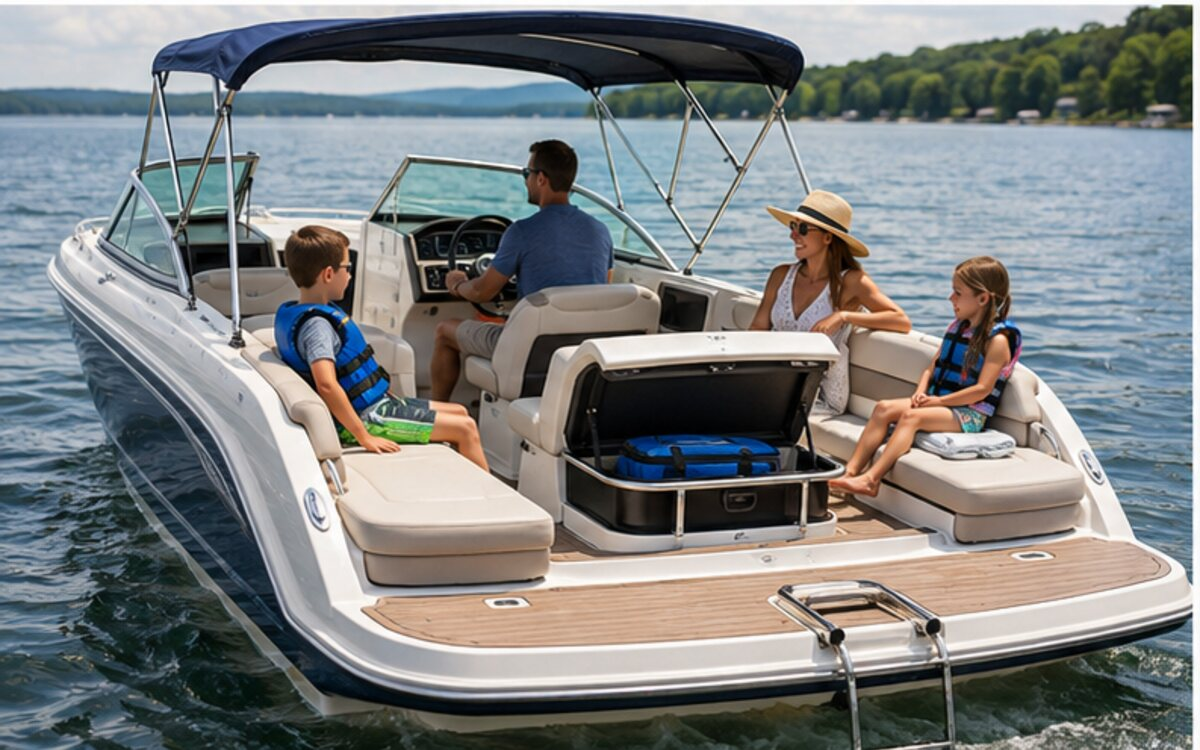
Children need more insulation than adults expect on open water. Pack a complete dry change, light rain shell and warm layer in one bag. Life jackets must fit by current weight and chest size. At the dock, establish one rule that never changes: no child steps aboard or ashore until an adult has control of the boat and says the move is ready.
Wildlife, hidden places and photography
Bald eagles, osprey, herons and migrating waterfowl use the lakes and canal edges. The northern marshes of Cayuga feel entirely different from the steep southern basin. Give nesting birds room and idle where wake can damage shallow habitat. Invasive species are a regional concern, so clean, drain and dry the boat and trailer before moving to another lake.
For photographs, use early light along the vineyard slopes, the long perspective from a lake end and the transition from open water into a canal. A hidden gem is not necessarily a secret cove; it can be the quiet hour after the day boats return, when a village harbor becomes still enough to reflect its masts.
Best months and realistic costs
Late June through September is the core season. Spring offers empty water but cold-water risk and unsettled fronts. July and August bring warm days, events and busier ramps. September is often the best compromise: cooler nights, vineyard activity and fewer weekday boats, paired with shorter marina hours and an earlier sunset.
A weekend budget should include launch and parking, fuel, transient dockage, lodging, meals, ice and shore transportation. Waterfront slips command a premium but can save two launch cycles. Boat rentals may look expensive by the day; once towing, maintenance and storage are included, they can be sensible for an occasional visitor. Verify cancellation terms because high wind can make the wrong boat unusable even under a blue sky.
A two-day Seneca itinerary
Day one: Launch or depart from Geneva early, run a measured portion of the west or east shoreline and select a protected lunch stop based on wind. Continue south only while the return remains comfortable. Secure the boat early enough to explore Geneva on foot and refuel before the dock closes.
Day two: If conditions support it, make Watkins Glen the primary objective and spend real time ashore. If the wind is wrong for a full-length run, trailer or drive to the southern end rather than forcing the boat to complete the itinerary. The purpose is to experience two lake towns, not prove that the hull can pound through thirty miles of chop.
Don’t miss—and the planning habits that save the weekend
Don’t miss: an early run along vineyard slopes, one canal or harbor transition, and a gorge or waterfall stop ashore. Together they explain why the Finger Lakes are more than scenic reservoirs.
Insider habits: choose one lake; compare wind direction with its long axis; save the return fuel; carry lunch; check canal notices; and clean the hull and trailer before changing waters. If the afternoon forecast is uncertain, make the interesting leg in the morning and finish near the home dock. The region rewards captains who keep alternatives in their pocket.
Frequently asked questions
Which Finger Lake is best for a boating weekend?
Seneca Lake is a strong first choice for a destination cruise between Geneva and Watkins Glen. Cayuga works well for crews focused on Ithaca, Aurora and the canal connection. Boat size, launch logistics and wind should make the final decision.
Are the Finger Lakes rough?
They can be. Long north-south fetch allows wind to build significant chop, especially in the middle of Seneca and Cayuga. An early start and a conservative turnaround plan are important for small boats.
Can you travel from the Finger Lakes to the Erie Canal?
Seneca and Cayuga connect through the Cayuga-Seneca Canal to the New York State Canal System. Lock schedules, bridge clearances, water levels and notices must be checked before planning passage.