The Erie Canal replaces the drama of open water with a sequence of small responsibilities. A lift bridge opens, a lockmaster answers, the line rises along a chamber wall and another village appears at walking speed. The pace is the attraction. A crew that tries to hurry will discover that schedules, no-wake zones and canal etiquette are stronger than horsepower.
The ditch that changed a nation
Completed in 1825, the original Erie Canal linked the Hudson River with the Great Lakes and altered American commerce, migration and city growth. The modern New York State Canal System follows an expanded, rerouted twentieth-century alignment, using rivers, artificial cuts, dams and locks. Remnants of earlier canals remain visible beside the navigation route.
From the helm, history becomes physical. Stone structures, towpath towns, old industrial buildings and lock dimensions show how transportation technology evolved. The canal is not a museum display, however. Water levels, maintenance and working infrastructure still determine the day.
Choose a segment before choosing a boat
First-time trailer crews do not need to cross New York. The Fairport–Pittsford area offers active villages, services and a manageable western segment. Baldwinsville, Cross Lake and the central canal provide a Syracuse-area introduction. Waterford and the eastern flight deliver dramatic locking and Hudson connections but require more schedule discipline.
Displacement cruisers, trawlers and canal-capable houseboats fit naturally. Faster planing boats can make the trip, but speed provides little advantage and large wakes create conflict. Confirm air draft, water draft and beam against every planned bridge and lock.
Hours, notices and the daily route
NYS Canals publishes annual operating dates and daily hours. In 2026, the general recreation information lists a mid-May to mid-October season with standard daily hours, while certain locks operate differently. Treat the current official schedule—not last year’s blog—as the controlling document. Review Notices to Mariners every day because maintenance, high water or debris can close a segment.
Plan backward from the final lock or lift bridge. Arriving five minutes after closing can mean an unplanned night on the wrong side. Call ahead when instructions invite it, monitor the designated VHF channel and state the boat name and direction clearly.
How to lock through calmly
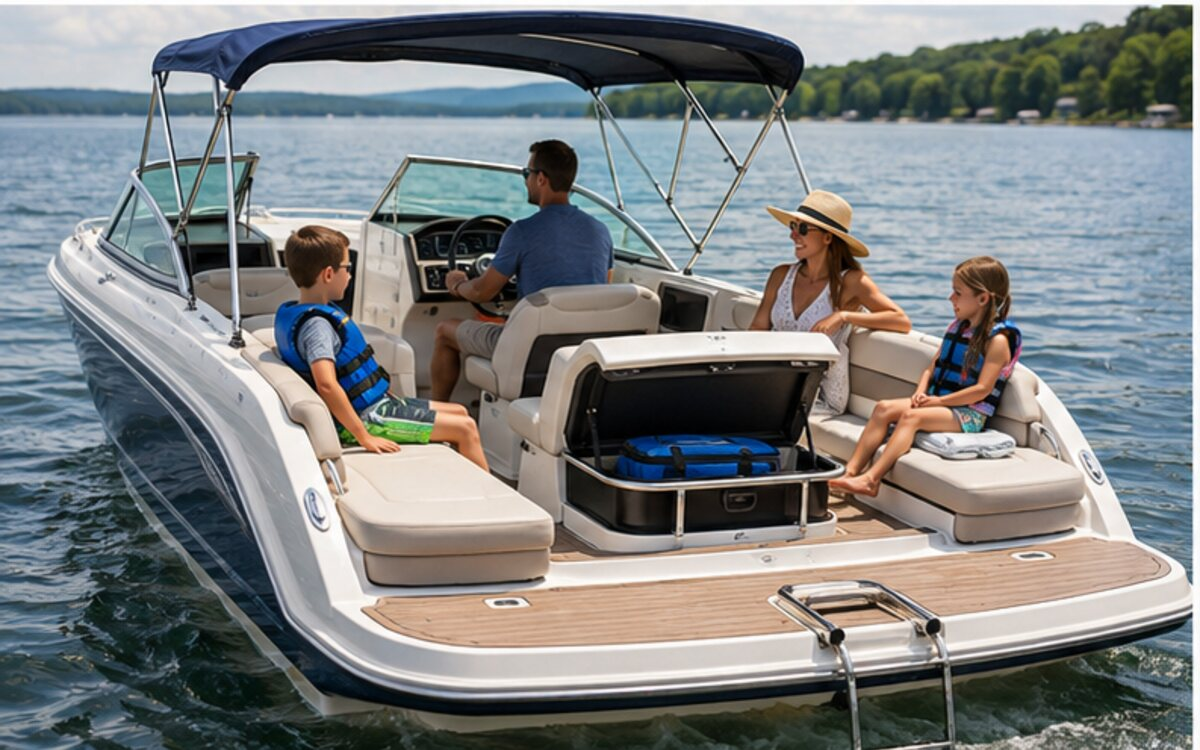
Brief the crew before entering. Fenders belong at wall height on the correct side, boat hooks should be ready and gloves protect hands from rough or slimy lines. Enter only when directed, at idle speed. Use the provided line, cable or pipe according to lock instructions and keep it tended; never secure a line in a way that cannot adjust as the water level changes.
Keep hands and feet out of the gap between hull and wall. Use gentle engine or thruster input only when necessary. Turbulence may increase as valves open. When the gate opens, wait for direction and other traffic, then exit without accelerating into a damaging wake.
Free walls, town docks and marinas
The Canal Corporation states that vessels may generally moor at its docks or terminals for limited periods, with basic mooring often free and utilities available for a fee. Local village docks have their own rules. Confirm maximum stay, power, water, pumpout and quiet hours at each stop.
Commercial marinas provide fuel, repairs and more reliable services, but spacing varies. Keep a hose, electrical adapters and fender board if the boat needs them. Inspect wall edges and hardware before committing. A free dock that damages gelcoat or places the boat against wake is not a bargain.
Fuel, provisioning and mechanical reality
Long no-wake operation is efficient for many boats but exposes cooling and charging issues that high-speed owners may never notice. Monitor engine temperature and battery voltage. Carry belts, filters, fluids, fuses and tools appropriate to the vessel. Debris can foul a raw-water intake or propeller after high water.
Fuel is available at selected marinas, not every village wall. Mark confirmed stops and call ahead. Town grocery access is one of canal cruising’s pleasures, but carrying heavy provisions a half mile from the boat becomes less charming in rain. Start with core supplies and use villages for fresh food.
Bridge clearance and navigation hazards
Low bridges are the defining planning constraint. Know the boat’s true air draft with antennas, anchor light, canvas and electronics in their travel positions. Published clearance can change with water level. If the margin is questionable, stop and verify; fiberglass does not negotiate with steel.
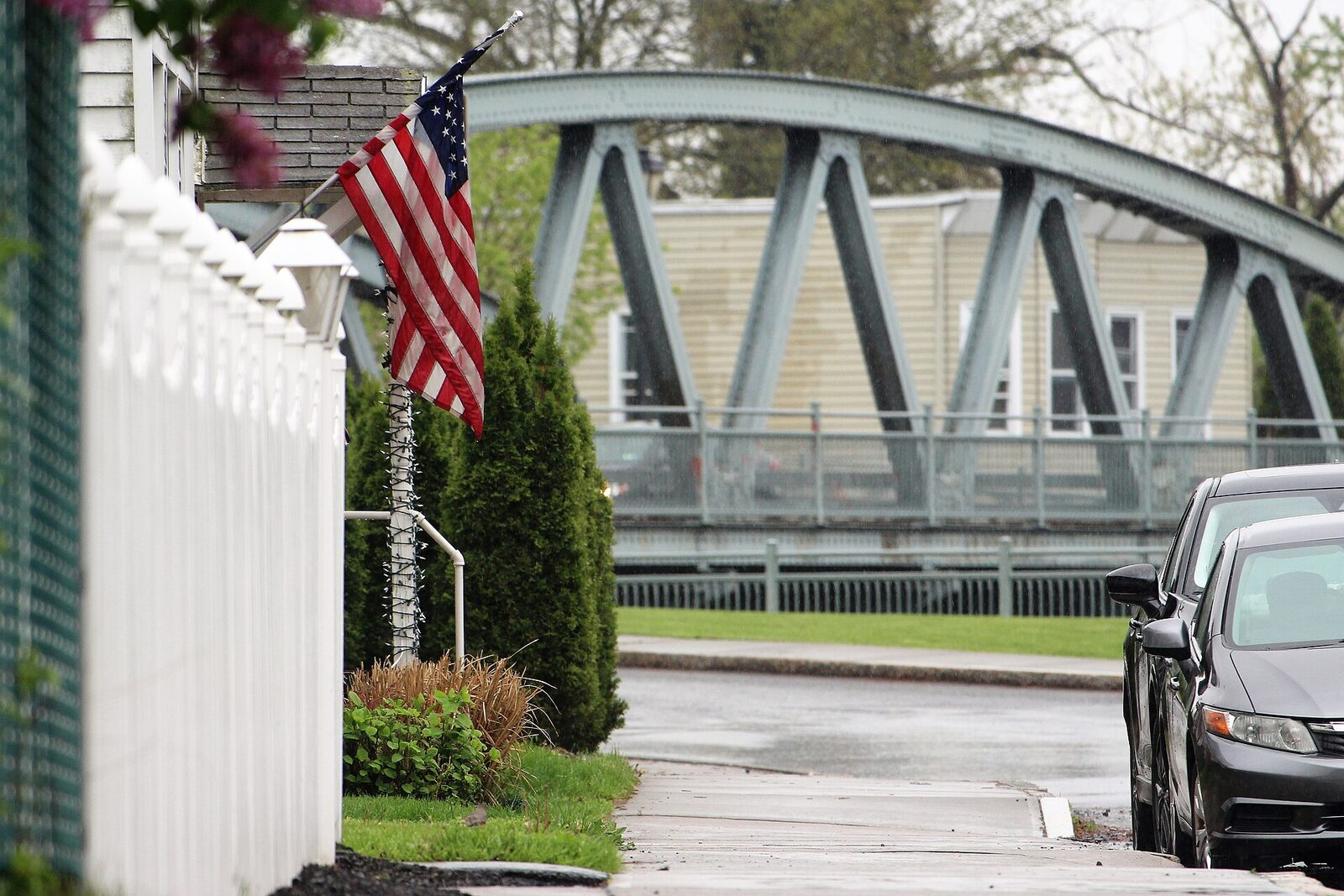
Stay within marked channels, especially where the route uses rivers or broad pools. Current, shoals, floating debris, dredging and guard gates may appear. Water levels can change after heavy rain or operational adjustments. Slow near paddlers, docks and canal-side property even before a formal no-wake sign.
Weather on protected water
The canal eliminates ocean swell but not weather. Thunderstorms bring lightning, wind and falling branches. Heavy rain can increase current, debris and water-level changes. Heat becomes oppressive at low speed, particularly inside canvas. Keep shade, water and ventilation available.
Fog reduces visibility around bends, while autumn cold makes wet lock lines and metal decks hazardous. A forecast should cover the whole day’s segment, not only the starting town. One advantage of canal travel is the abundance of places to stop; use them before weather makes tying up difficult.
Towns, restaurants and family stops
Fairport, Pittsford, Spencerport, Newark, Lyons, Baldwinsville, Rome, Little Falls and Waterford each offer different pieces of canal life. Some have museums, trails and compact restaurant districts directly beside the wall; others require a walk. Verify local dock rules and business hours before assigning dinner to a late arrival.
Families can bicycle or walk the adjacent trail, watch a lock cycle from shore and use village parks. Locks turn engineering into visible entertainment, but children need firm rules near chamber walls and lines. A life jacket on deck and dock is appropriate even when the boat is moving at walking speed.
Wildlife, photography and hidden details
Herons, kingfishers, turtles, beavers and eagles inhabit river and canal sections. Reduce wake near shallow edges and do not approach wildlife closely. Invasive species move through connected water; follow clean, drain and dry practices when trailering to or from isolated lakes.
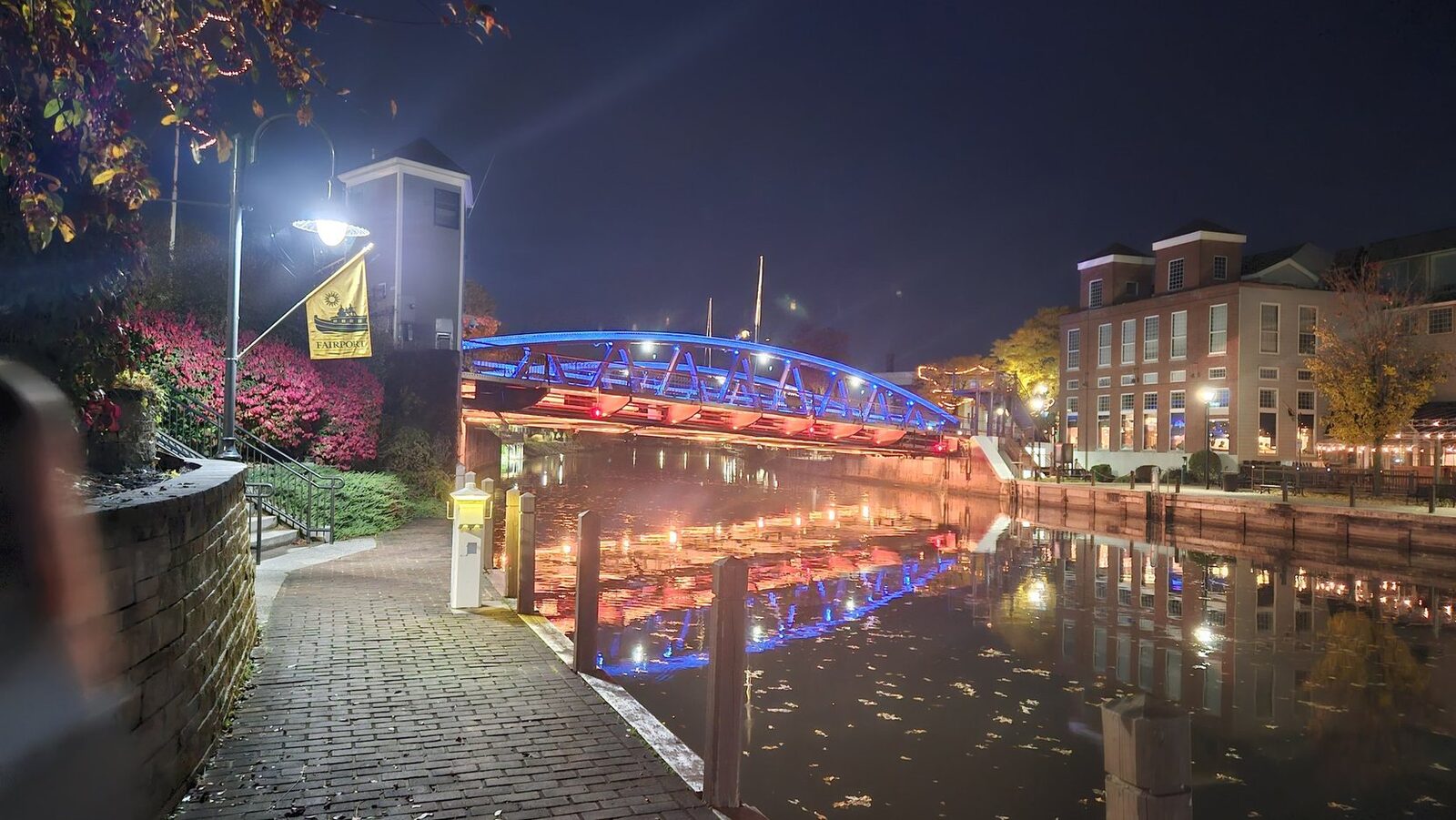
Photograph the geometry: a boat entering a lock, a lift bridge raised against the sky, old brick reflected beside a modern cruiser. The hidden gems are small—lockmaster conversations, garden plots near the wall, a historic canal remnant visible from the trail. Traveling slowly creates the time to notice them.
Season and costs
The navigation season generally runs from mid-May into October, with exact dates and hours published annually. June offers long days and active water; July and August bring heat and more traffic; September is comfortable and scenic. High water, maintenance or storms can interrupt any part of the calendar.
Canal cruising can be economical because many public walls have low or no basic mooring charge. Budget for fuel, utility fees, marina nights, pumpout, meals, lock-schedule delays and transportation if the route ends away from the trailer. Rental canal boats bundle some costs but require careful review of training, insurance and cancellation terms.
A two-day first canal itinerary
Day one: Launch near Fairport or another service-rich base, pass one or two operating structures and secure at a village wall early enough to inspect lines and explore ashore. Practice stopping and low-speed handling before the first crowded dock.
Day two: Continue to a second village or reverse the route, leaving schedule margin for every required lock or bridge. Do not plan the trailer retrieval at the exact closing minute. If notices alter the route, make the stop itself the destination; canal towns are built for an unplanned afternoon.
Don’t miss—and the habits lockmasters appreciate
Don’t miss: one full lock cycle from the boat, a historic village wall, a towpath walk and the contrast between old canal remnants and modern navigation.
Insider habits: know the air draft; keep gloves and fenders ready; call early; listen to the lockmaster; carry cash or card for local utility systems; and leave no wake. The canal rewards preparation with calm. By the second day, six knots stops feeling slow and starts feeling like the correct speed.
Frequently asked questions
How much does it cost to dock on the Erie Canal?
The Canal Corporation states that basic mooring at its docks or terminals is generally free for limited stays, while utilities may carry fees. Municipal walls and private marinas have separate rules and rates.
What boat is best for the Erie Canal?
A reliable, maneuverable boat with known air draft and good low-speed control is ideal. Trawlers, cruisers and canal boats fit naturally; fast boats gain little from extra horsepower in long no-wake sections.
When is the Erie Canal open for recreational boating?
NYS Canals publishes annual dates and operating hours. The general 2026 information describes a mid-May to mid-October season, but unique lock schedules and notices can alter a route.