
Unlike a lake weekend, the Erie Canal has a clear finish line. New York State Canals says the 2026 navigation season remains open, conditions permitting, through Wednesday, October 14. That turns early fall into a real planning window: pick a stretch, understand the locks and bridges, and make the trip while the system is still operating.
Do not turn a fall canal weekend into a cross-state expedition
The best late-season canal trip is often modest. Pick a section with towns, services and a practical trailer or return plan. Fairport and Pittsford are obvious western New York anchors; Central New York boaters can build shorter local segments. The experience is the point: approach the lock, handle lines, pass lift bridges, tie up in a canal town and watch the landscape change at walking speed.
Operating hours become part of navigation
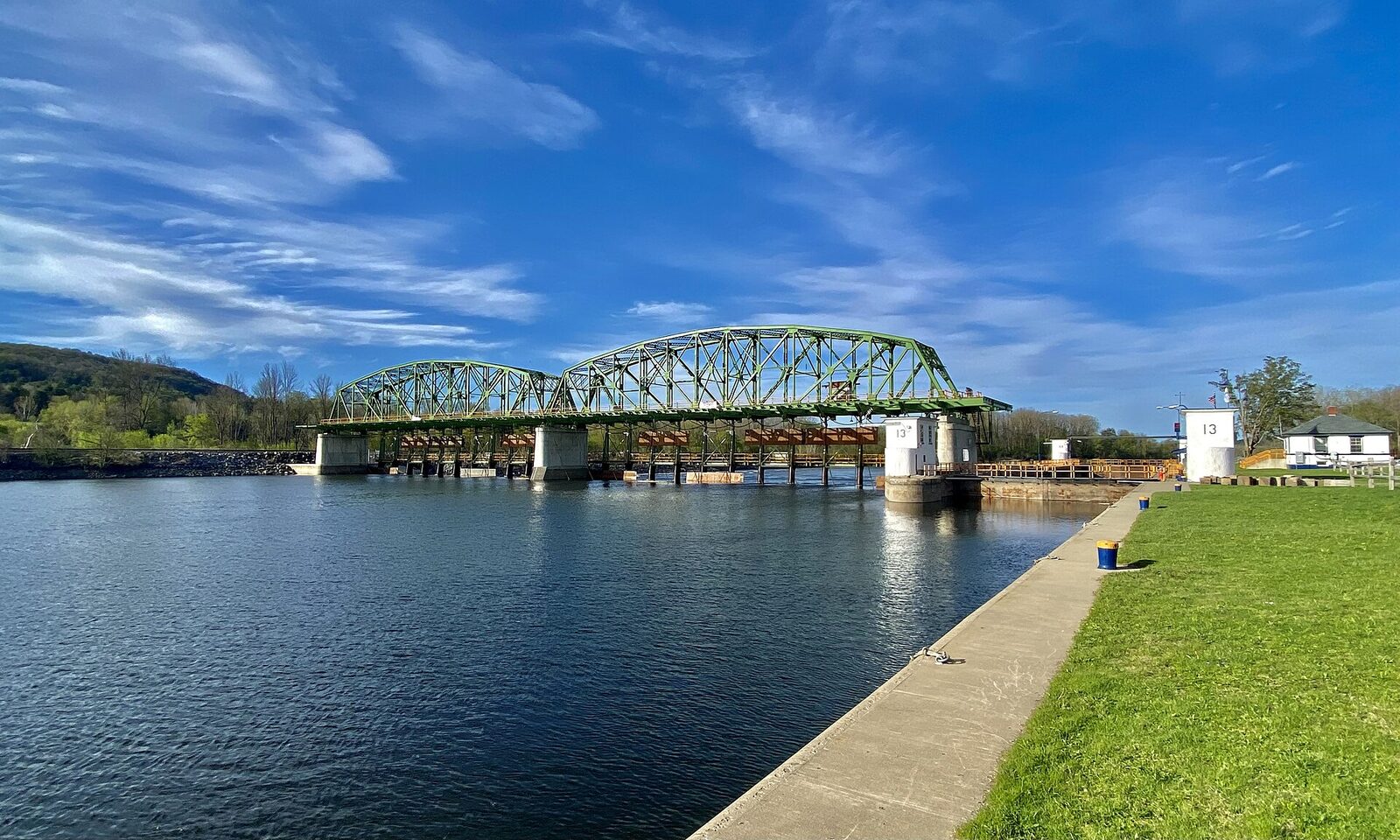
After the selected extended-hours period ends, standard canal operating hours are generally 8 a.m. to 6 p.m. That matters more in October because daylight is shrinking too. Build the itinerary around the last lock or bridge you need to clear, then add margin. A mechanical delay or slower lock cycle should not strand the plan at the end of the operating day.
Check Notices to Mariners before leaving
The October 14 date is explicitly subject to conditions. Water levels, maintenance, lock status and local restrictions can change. Check the New York State Canals Notices to Mariners and the current hours for every critical structure shortly before departure. Do not build a tow-and-hotel weekend around an old screenshot.
Fall makes the canal feel more intimate
Summer traffic thins, towns settle down and tree-lined reaches carry color directly to the waterline. A displacement-speed day that can feel slow in July becomes the feature in October. Bring coffee, layers and patience; this is one place where the boat is transportation and front-row seat at the same time.
Cold-weather boat prep still applies
The canal may be protected, but air and water are colder and services are less dense than peak season. Wear the PFD, carry warm layers, keep a reliable communication plan, verify fuel availability and know where the boat can safely stop if the day falls behind schedule. If the boat will be winterized immediately afterward, use the trip as a final systems check and write down anything that needs service during lay-up.